Overview
Cross-border data center equipment shipments have helped businesses grow into cloud infrastructure, artificial intelligence platforms, and digital services globally with exporter of record services. Data centers depend on highly modern hardware such as servers, networking devices, cooling units, and power management systems. Also, organizations involved in cross-border shipments of data center equipment must understand the regulatory guidelines before shipping equipment across borders. Can a customs broker handle both import and export documentation to help organizations have easy international freight services while confirming that shipments comply with applicable rules.
Key Export Regulations and Restrictions on Cross-Border Data Center Equipment Shipments
Export regulations governing data center equipment shipments are changing by country, but most systems look to control the transfer of sensitive technology and stop unauthorized use of Incoterms with DAP and DAPs. Authorities frequently add restrictions on advanced computing hardware, encryption technologies, and semiconductor equipment because these components can support high-performance computing environments.
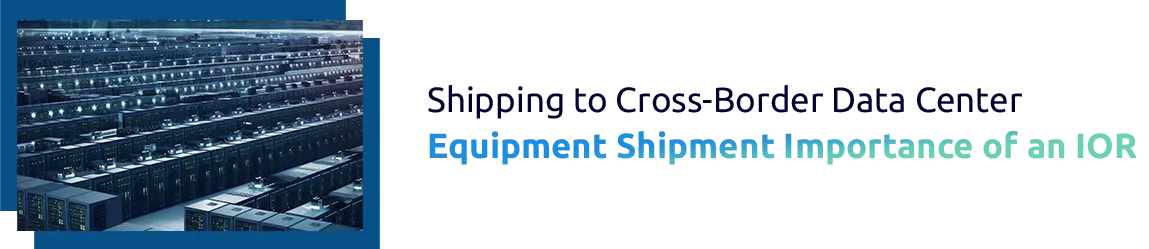
Technology Classification and Regulatory Inspections
Before shipping equipment globally with HS code and HTS harmonized tariff Schedule, organizations must know whether their products fall under controlled technology categories. Certain servers, storage systems, and networking devices that support large-scale data processing may require regulatory inspections. Businesses must verify whether export authorization or additional documentation is necessary before shipping these components globally with the best trade compliance software for import export rules.
Destination and End-User Verification
Regulatory authorities also evaluate where the equipment is being shipped and who will use it during supply chain optimization. Some regions face strong oversight due to geopolitical problems or technology transfer risks. Organizations are expected to confirm the legalization of the receiving party and confirm that the equipment will be used for approved trade purposes.
Documentation and Reporting Requirements
Correct documentation plays an important role in cross-border equipment shipments. Organizations must prepare detailed shipment records showing the equipment, technical specifications, and the intended application of the hardware. These records support regulatory transparency and help authorities track the shipments of advanced digital technologies.
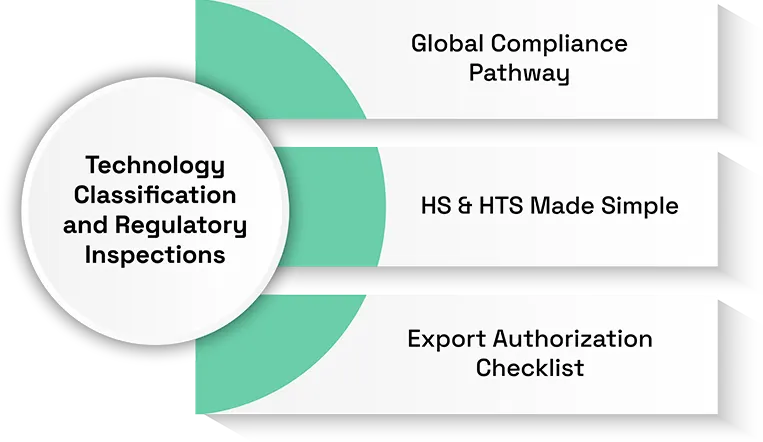
Shipping to Cross-Border Data Center Equipment: Shipment Importance of an IOR
An Importer of Record Service plays a central role when organizations ship data center equipment into global trade. The IOR is the responsible business that confirms imported equipment follows the destination country’s regulatory requirements. This organization manages documentation, regulatory declarations, and the legal responsibility related to importing equipment into the country.
Regulatory Responsibility and Risk Reduction
Using an IOR service is mainly important when organizations expand infrastructure in regions where they do not have a local legal presence. Without a registered organization in the destination country, organizations may face challenges completing regulatory processes. The IOR completes this gap by supporting legal responsibility for the imported equipment and confirming that all regulatory issues are met. Now the question is, can a freight forwarder be an exporter of record?
Supporting Global Infrastructure Deployment
For multinational organizations growing data center systems, the IOR service helps simplify equipment deployment. By managing regulatory issues, the IOR allows organizations to focus on infrastructure installation, network integration, and operational readiness without facing unnecessary administrative difficulties.
Crucial Compliance Data Center Components Under Export Regulations
High-Performance Servers and Computing Hardware
Servers working for huge computing environments frequently fall under export scrutiny because of their processing capabilities. Systems equipped with advanced processors or high-performance computing architecture may require regulatory evaluation before cross-border shipments with customs clearance.
Storage Systems and Data Processing Infrastructure
Modern data centers depend on advanced storage arrays and data management platforms to manage huge volumes of digital information. These systems play a critical role in cloud services, enterprise computing, and artificial intelligence applications, which makes regulatory problems an important part of international equipment shipments.
Conclusion
As global demand for digital infrastructure continues to grow, cross-border data center equipment shipments have become a necessary part of international technology expansion. Also, the shipments of advanced computing hardware across borders are closely tracked through export regulations designed to protect sensitive technologies and confirm responsible distribution. This includes evaluating technology categorizations, verifying end users, maintaining correct documentation, and confirming regulatory responsibility through responsible importing organizations.
DID YOU KNOW?
Silicon Valley still has more data centers: California has 326 facilities compared to Wyoming’s 15. But Wyoming has a population of about 590,000, compared to California’s 39.4 million.
FAQs:
1. What regulations apply to cross-border data center equipment shipments?
Cross-border shipments of data center equipment are governed by export control regulations, technology classification requirements, and destination-based compliance rules.
2. Why is technology classification important when exporting data center hardware?
Technology classification helps show whether servers, storage systems, or networking equipment fall under regulated export categories. Proper classification allows organizations to identify regulatory problems, verify licensing requirements, and confirm compliant international shipments.
3. What role does an Importer of Record (IOR) play in data center equipment shipments?
An IOR service is responsible for ensuring that imported equipment follows the destination country’s regulations. The IOR manages import documentation, regulatory declarations, and legal responsibilities related to bringing technology equipment into a country.
4. Why do governments regulate exports of high-performance servers and computing hardware?
High-performance computing systems can support artificial intelligence, advanced analytics, and sensitive research environments. Because of their capabilities, governments regulate these technologies to stop misuse or unauthorized access in some regions.
5. What documentation is required for cross-border data center equipment shipments?
Typical documentation includes shipment records, product descriptions, technical specifications, export declarations, and regulatory approval documents.