Overview
Global trade in IT hardware has grown quickly as organizations depend on new technologies to support digital development and data operations. Devices such as servers, networking equipment, storage systems, and semiconductor components ship across multiple countries before reaching their final location. While this global system improves efficiency and access to innovation, it also increases cybersecurity risks within the hardware supply chain optimizations.
Cybersecurity issues have become a major issue in international trade terms because harmful devices can exploit vulnerabilities during the manufacturing, logistics, or deployment of IT equipment. Businesses involved in global IT hardware shipment must also have correct documentation requirements, such as HS code categorizations, HTS harmonized tariff Schedule regulations, and Incoterms agreements, to confirm that shipments remain compliant while protecting sensitive technology.
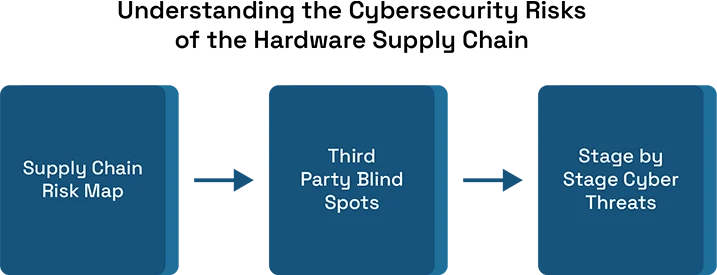
Understanding the Cybersecurity Risks of the Hardware Supply Chain
The IT hardware supply chain is difficult for various customers, such as manufacturers, suppliers, and service providers. Every stage of the process has possible cybersecurity risks that could affect hardware devices. Organizations frequently depend on third-party services to trade devices, assemble devices, and transport equipment. Limited visibility across these networks increases the risk of hidden vulnerabilities. Effective supply chain optimization strategies help companies track hardware shipments and reduce the chances of important devices entering critical systems.
Documentation and Approval Challenges
Cross-border shipments of IT equipment require proper categorization and documentation. Businesses must use the correct HS code and HTS harmonized tariff Schedule categories while confirming that global trade agreements and Incoterms are properly defined in the global trade. Also, organizations depend on exporter of record services and importer of record service providers to manage regulatory responsibilities. These services confirm that equipment shipments follow global rules while protecting organizations from legal risks.
Major Cybersecurity Concerns in the IT Hardware Trade
Cybersecurity threats affecting the IT hardware trade are becoming more sophisticated as global technology demand increases. Hardware devices frequently have management tools that control system work. If attackers utilize these vulnerabilities, they can access sensitive data or stop operations. Organizations must regularly audit hardware security features and track the organization’s software updates to reduce these risks.
Regulatory and Trade Approval Risks
International shipments of IT hardware must follow strict regulatory systems. Businesses frequently ask whether a freight forwarder can be an exporter of record or whether a customs broker can handle both import and export documentation. While service providers can support approval work, organizations remain responsible for confirming the secure handling of hardware shipments.
Using dependable international freight services and expert customs clearance processes helps companies maintain regulatory approval while reducing possible security gaps during cross-border logistics.
Also, adopting the best trade compliance software for import export rules allows organizations to track regulatory updates, track shipment documentation, and manage risks related to international hardware trade.

What is the Impact on the IT Hardware Trade
- Cybersecurity risks have a huge impact on the global IT hardware trade. Governments are introducing stronger regulations and security for technology imports and exports to protect national security systems.
- Organizations working in global trade must work with better tracking tools, seller inspection, and safe logistics processes. Strong cybersecurity methods may result in shipment delays, regulatory penalties, or loss of customer trust in global trade.
- Many organizations now evaluate supplier security practices before purchasing hardware components. By improving clarity across supply chains, organizations can reduce the risk of compromised devices entering their infrastructure.
- Also, a stronger approval strategy supported by documentation standards such as HS code categorizations, Incoterms agreements, and trade approval software helps organizations manage risks while maintaining effective cross-border operations.
Conclusion
Cybersecurity issues are changing the global IT hardware trade landscape. Proper documentation methods, including correct HS code categorizations, HTS harmonized tariff Schedule references, and clearly defined Incoterms, play a vital role in maintaining secure shipments. Cybersecurity strategies with effective trade management methods, such as inventory and order management, supply chain optimization, and professional importer or exporter of record services, allow businesses to protect their IT hardware infrastructure while confirming smooth international trade operations.
DID YOU KNOW?
As cyberattacks on healthcare increase, so does the threat to medical devices. A recent survey of healthcare executives found that 22% of healthcare organizations have experienced at least one attack targeting their devices.
FAQs:
1. What are cybersecurity risks in the IT hardware supply chain?
Cybersecurity risks in the IT hardware supply chain include compromised components, unauthorized firmware modifications, data interception during logistics, and hidden vulnerabilities introduced during manufacturing or distribution.
2. Why is cybersecurity important in the global IT hardware trade?
Cybersecurity is important because hardware devices often support critical systems and sensitive data operations. Any compromised device can expose organizations to data breaches, operational disruptions, or national security risks.
3. How can companies secure the IT hardware supply chain?
Organizations can secure the supply chain by conducting supplier security assessments, tracking hardware shipments, implementing strong device verification processes, and using compliance tools to monitor international trade regulations.
4. What role does documentation play in secure IT hardware trade?
Accurate documentation helps organizations maintain transparency in global trade operations. Proper classification, regulatory agreement, and shipment verification help reduce risks associated with unauthorized or suspicious technology transfers.
5. How do governments regulate cybersecurity risks in technology trade?
Governments introduce stricter export controls, import regulations, and technology security policies to stop compromised hardware from entering critical infrastructure and to protect national security systems.