Transportation planning has mainly focused on routes, freight capacity, delivery schedules, & carrier availability. Today, that approach is changing. As global supply chains become more difficult, regulatory needs are increasingly influencing how, when, & where goods can move.
This change is giving rise to what can be called “compliance logistics,” an approach where regulatory checks are considered as part of transportation planning rather than treated as a separate customs activity.
For companies shipping IT equipment, medical devices, telecommunications products, industrial machinery, batteries, or other regulated goods across borders, compliance can directly affect delivery timelines & transportation costs.
What Is Compliance Logistics?
Compliance logistics means incorporating customs, product regulations, documentation, import requirements, & other regulatory checks into the logistics planning process. Instead of asking only, “What is the fastest way to transport this shipment?”, businesses must also consider whether the product can legally enter the destination country, whether the correct HS code is available, who will act as the Importer of Record, and whether any licenses, permits, or certifications are required. They also need to verify that the commercial invoice and customs value are accurate, determine whether the shipment needs special management or additional documentation, & assess whether the chosen transportation route could create additional regulatory needs. These factors can directly influence the transportation plan before the shipment even leaves the origin country.
Why Regulatory Checks Are Becoming Part of Transportation Planning
International supply chains now involve more countries, suppliers, logistics providers, & regulatory authorities. A product may be manufactured in one country, assembled in another, & shipped through some locations before reaching its final destination.
Governments are updating customs controls & product regulations. Authorities are paying closer attention to classification, valuation, origin, sanctions, licensing, product safety, & importer information.
A shipment of networking equipment may need specific telecom approvals before import. A medical device may need health authority registration. Wireless equipment may need radio certification. Battery-powered equipment may also create transportation & documentation needs.
Compliance Can Influence the Route
Routes are frequently compared by transportation planners based on available capacity, travel time, and cost. Regulatory appropriateness is an additional consideration in compliance logistics.
If there are additional customs procedures, documentation requirements, or regulatory hazards associated with the cheapest option, it may not necessarily be the most efficient.
Companies may have to decide whether to ship products straight to the destination nation, via a specific port, into a free zone, or through a temporary import process.
The choice of entrance point might also affect clearing times and inspection processes for specific products.
This implies that before the shipment is scheduled, transportation planners must collaborate with customs and regulatory teams.

Technology Is Making Compliance Logistics More Practical
Integrating regulatory data into logistics planning is becoming simpler because to digital customs platforms, transportation management systems, trade databases, and compliance software.
Companies are increasingly able to link shipping data to customs operations, restricted-party screening, documentation requirements, and categorization information.
This can assist in identifying any issues prior to the shipment of products.
Automation can also help with document validation. If important details are absent from a commercial invoice or shipment record, the system can detect a problem before the item reaches the border.
Automation does not, however, eliminate the requirement for human supervision. Product categories may be complicated, regulations are subject to change, and country-specific limitations may require professional interpretation.
What Businesses Should Change
Companies developing compliance logistics should add regulatory checks into the planning stage.
Teams should verify the product classification, destination requirements, importer details, documentation, relevant licenses, and any product-specific laws before scheduling transportation.
Teams in charge of logistics, procurement, customs, law, and compliance should collaborate rather than operate separately.
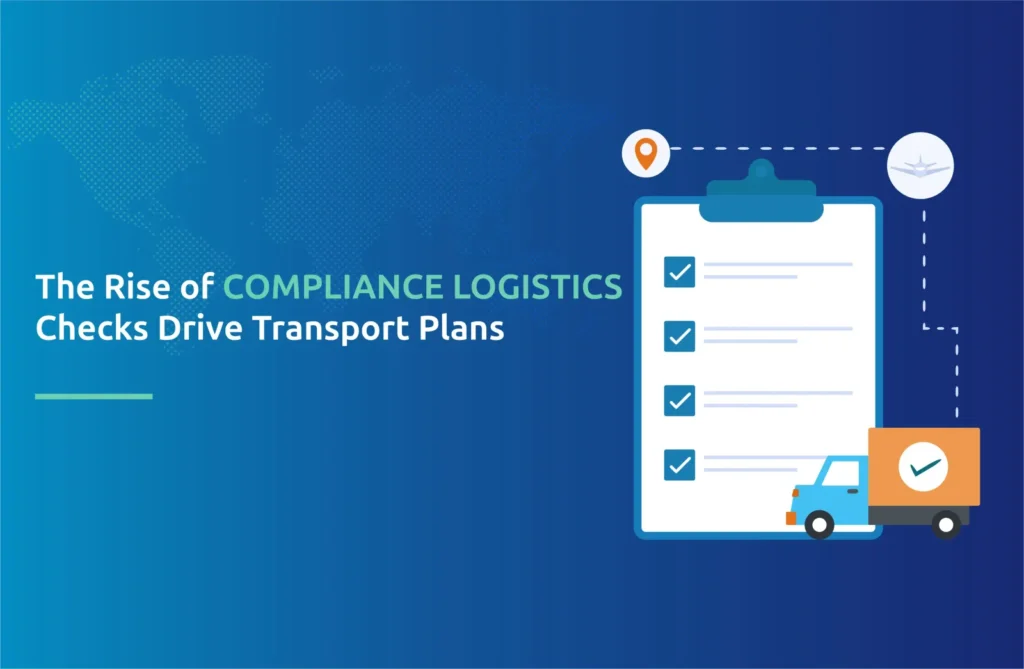
Issues that might otherwise only surface after the cargo reaches the border can be avoided with a straightforward pre-shipment compliance checklist.
The Future of Transportation Planning
Compliance is no longer something that happens only at the customs desk. It is becoming an important part of supply chain planning.
As governments increase customs enforcement & product regulations become more detailed, transportation decisions will increasingly depend on regulatory requirements.
The companies that recognize this development can build more resilient logistics operations. By checking compliance before transportation begins, businesses can make better decisions about routes, documentation, import responsibilities, & delivery timelines.
Compliance logistics is ultimately about moving goods with fewer surprises. When regulatory requirements become part of transportation planning from the beginning, companies can reduce avoidable delays and create a more reliable cross-border supply chain.

Conclusion
Compliance is becoming an important part of shipping planning. Businesses can no longer focus only on cost, speed, & routes. They also need to consider customs rules, product needs, documentation, & import laws before shipping.
By selecting these needs early, organizations can minimize customs delays, avoid unexpected costs, & make better transportation decisions. As international trade becomes more difficult, compliance logistics will help businesses ship goods more easily, safely, & efficiently across borders.
Did you know?
The World Trade Organization states that bureaucratic delays at borders can add to trade costs. Its Trade Facilitation Agreement focuses on simplifying and modernizing import, export, and transit procedures to speed up the movement, release, and clearance of goods.
FAQ
What is compliance logistics?
Compliance logistics is the process of including customs rules, product regulations, documentation, import requirements, and other regulatory checks in transportation planning. It helps businesses identify compliance requirements before goods are shipped.
Why are regulatory checks important in transportation planning?
Regulatory checks can affect shipping routes, documentation, customs clearance, delivery times, and transportation costs. Checking these requirements early can help businesses avoid delays and unexpected issues at the border.
How can compliance logistics reduce shipment delays?
By reviewing HS Codes, import requirements, permits, product regulations, and shipping documents before dispatch, businesses can identify potential problems early. This reduces the risk of customs holds, missing documentation, and clearance delays.
Can compliance requirements affect the choice of transportation route?
Yes. Different ports, countries, free zones, and transit routes may have different customs and regulatory requirements. Businesses should evaluate regulatory requirements along with cost, capacity, and transit time when selecting a route.
What role does technology play in compliance logistics?
Digital customs platforms, transportation management systems, and compliance software can help businesses manage shipment data, documentation, classification, and regulatory checks. Automation can also identify missing or inconsistent information before a shipment reaches the border.