Insight
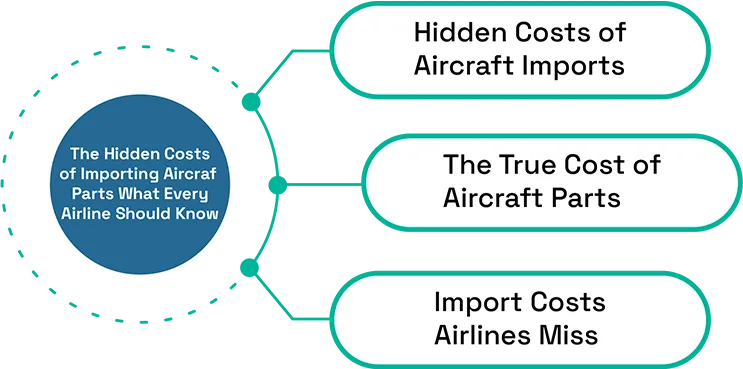
The operation of an airline relies on the quick delivery of aircraft parts that require cost-effectiveness. The total expenses involved in part imports tend to remain undetected. Various hidden expenses, along with shipping cost transparency and regulatory requirements, significantly influence the total expenses related to aircraft part importation. The successful operation of airlines demands the understanding of these concealed expenses, which do not appear during initial calculations. This write-up analyzes both regulatory requirements and price factors behind hidden expenses in importing aircraft components while discussing methods for airline cost management.
The importation of foreign aircraft components is a vital yet affordable work for airlines, where the shipping of aircraft parts plays a pivotal role in maintaining smooth flight operations. Airlines must direct a difficult web of regulatory requirements and logistical challenges to confirm the ontime and affordable delivery of necessary equipment. From the documentation process—like Bills of Lading and Electronic Export Information—to managing Aircraft-On-Ground (AOG) emergencies, each phase in shipping aircraft parts can gets hidden costs if not carefully managed. Understanding Incoterms and working with experienced freight forwarders can significantly simplify the importation of foreign aircraft components while minimizing unwanted expenses.
Factors Contributing to the Hidden Costs
Aircraft Part Shipment Size
Aircraft part dimensions determine, to a substantial degree, the shipping expenses which must be paid. Smaller components become eligible for small package shipping, which produces reduced shipping expenses even though freight shipment remains the only option for more prominent bulky elements. The costs associated with freight depend on both the aspects of a part’s dimensions and weight, together with the specific delivery strategy the client selects. Pipe parts that are overweight or bulky will create higher shipping fees.
Type of Aircraft Part to Be Shipped
Aircraft parts are classified into different categories based on their nature, such as routine restocking equipment, specialized parts, or emergency replacements. The shipment of high-value or fragile parts like avionics or engines, requires special handling and care. This typically results in higher shipping fees to cover the added risk and necessary precautions.
Aircraft-On-Ground (AOG) Situations
The critical urgency of aircraft grounding due to missing components drives transportation speeds to immediate levels. When an aircraft faces an AOG emergency, the required part must reach its destination within a 24 to 48-hour window, thus leading to additional delivery expenses for urgent delivery. The anticipated costs must be included in both inventory planning and shipment schedule decisions by airlines.
Shipment Timeframe and Location
Shipping expenses are primarily determined by how distant delivery and pickup destinations are from each other. Remote destinations force businesses to use costly air transport instead of ground transport to deliver their packages. The delivery schedule, as well as whether it falls under standard or expedited shipping, plays an active part in determining the shipping costs of materials. The extra duration needed to clear international shipments through customs leads to more expenses for the complete operation.
Regulatory Compliance
Government authorities have set numerous regulations which control the overseas transport of aircraft components. Flight companies need to follow guidelines from their nation and the rules of the countries they operate in to prevent delivery delays and administrative fines. The U.S. government demands detailed export paperwork, which includes a Bill of Lading together with a Shipper’s Letter of Instruction & Electronic Export Information. Non-compliance with government regulations leads to delays in customs, fines, and eventual rejection of ship cargoes.

Documents for Shipping Aircraft Parts
Shipping aircraft parts requires a series of important documents. These include:
Bill of Lading (BOL): A bill of lading (BOL) establishes necessary product information that includes details such as product type, quantity, & delivery destination. International transportation, along with freight shipment, requires this document.
Shipper’s Letter of Instruction (SLI): The SLI enables freight forwarders to act as agents for export shipments by delivering instructions about the handling process.
Electronic Export Information (EEI): All U.S. exports that surpass $2,500 in monetary value will need Electronic Export Information (EEI) for submission.
Shipping Aircraft Parts Internationally
Airlines participating in international aircraft part shipments need to meet requirements set by their domestic jurisdiction as well as by foreign regulatory bodies. The regulations dictate import/export licenses alongside tariffs, and they assign limitations based on the classification of parts. The clarification of shipping expenses, together with insurance duties and responsibility transfer belonging to both parties, is best achieved by studying international commercial terms.
Tips for Cost-Effective Aircraft Part Shipping
The execution of cost-effective aircraft part shipping relies on careful shipment planning through the airlines beforehand. Better coordination happens through proper planning, which leads to significant cost reduction for bulk shipments. Working with a reliable freight forwarder specialized in aircraft parts is vital because their experience helps reduce delays while navigating complex regulations. Airline monitoring of shipments in real-time with tracking systems and shipment software helps avoid delays and ensure regulatory compliance for cost management.
Conclusion
An airline requires aircraft parts for efficient flight operations, yet operators need to grasp which expenses remain hidden in this process entirely. The shipping expenses for aircraft parts are determined by various elements such as item dimension and composition alongside regulatory requirements and delivery procedures. By implementing strategic shipping plans and regulatory compliance measures together with effective logistics management, airlines reduce expenditures and minimize unexpected financial burdens. One Union Solutions offers specialized solutions that optimize aircraft part shipment while delivering goods efficiently with minimal expenses.
With deep industry expertise, One Union Solutions helps airlines navigate complex customs regulations and urgent AOG situations with ease. Our tailored logistics strategies ensure faster transit times, accurate documentation, and cost-effective shipping methods. By improving visibility and control across the supply chain, we help reduce delays and avoid unnecessary charges. This enables airlines to maintain operational continuity while managing aircraft part shipping costs efficiently.
Did You Know that,
The anticipated worth of the aircraft parts is expected to reach $86 billion by 2027, owing to the growing demand for air travel and technology advancement.
FAQs
What documents are required to ship aviation parts internationally?
Answer: Common documents include a Bill of Lading, Shipper’s Letter of Instruction (SLI), and Electronic Export Information (EEI), depending on the destination and regulations.
How does the size of an aircraft component affect shipping costs?
Answer: Larger aircraft parts usually require specialized freight services, which increases shipping costs based on size and weight. Smaller components can be shipped at lower costs using standard methods.
What is an AOG and how does it affect shipping?
Answer: An Aircraft on Ground (AOG) situation happens when an aircraft cannot operate due to a missing part. These cases require urgent shipping, which often increases transportation costs.
What are Incoterms and why are they important?
Answer: Incoterms define the responsibilities of buyers and sellers during shipping, including costs, insurance, and risk. Understanding them helps avoid delays, disputes, and hidden expenses.
How can airlines reduce aircraft parts shipping costs?
Answer: Airlines can lower costs by planning shipments, working with reliable logistics providers, using tracking technology, and choosing cost-effective transport options when possible.