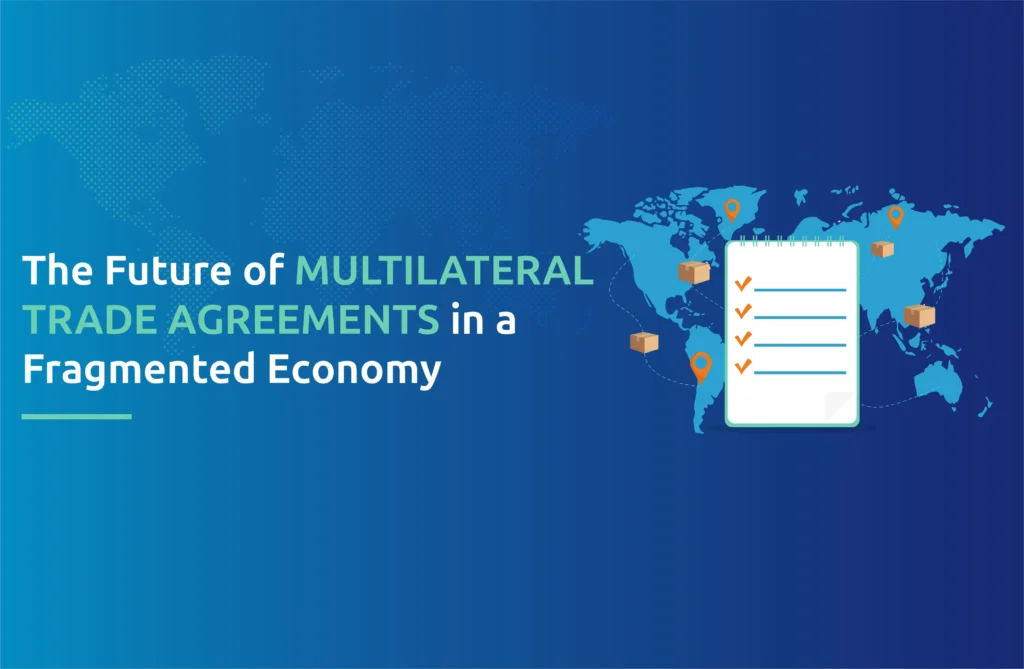
Navigating the Future of Multilateral Trade Agreements
Companies are facing a lot of challenges because of the rules and regulations vary in each country. The rules are changing all the time. This is making it hard for companies to do business. The way countries trade with each other is changing. Companies can not just follow one set of rules anymore. They have to know the rules of each country they do business with. The rules for trade are getting more and more complicated. This means companies have to think about how they do business, in other countries how they get the things they need and how they expand into new markets.
Trade fragmentation is when the world starts to move from a system where everyone trades with each other and instead we get a lot of smaller groups and countries doing their own thing. This is really important for things like industries in aviation, IT and automobiles and medical equipment because they all rely on being able to get parts and supplies from over the world. Now that governments are trying to make their own countries stronger and more able to take care of themselves, businesses have to be able to change with the times and still follow all the rules. It is going to be really important for companies to know what is going on with trade agreements, between countries if they want to keep growing in a world that is getting more complicated all the time. Trade fragmentation and trade agreements are going to be things for companies to think about.
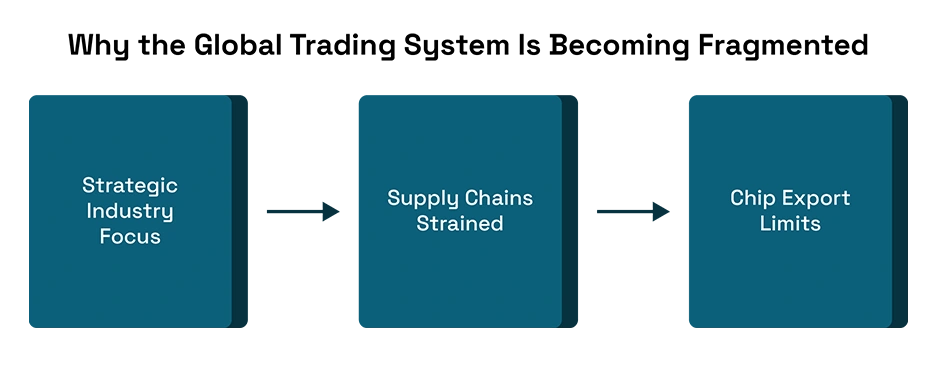
Why the Global Trading System Is Becoming Fragmented
The global trading system is breaking apart. Countries now focus on security, strategic industries and making manufacturing by themselves. They do not follow the globalization rules. Countries are competing with each other plus there are trade wars. Some countries limit the export of computer chips. They worry about their security and the needs. These things are changing how countries trade with each other. Recently many things have gone wrong with supply chains. This has made businesses and governments want to rely on suppliers from far away. They do not want to depend on one supplier.
Changes in trade policies can affect where businesses source their products, make them follow rules change how they ship goods impact how they plan their inventory and influence how they enter new markets. This means businesses in the IT, aviation and medical sectors have to navigate a trade environment that is more complex and focused on specific areas.
How Multilateral Trade Agreements Have Driven Global Commerce
Multilateral trade agreements have helped global trade grow. They do this by reducing trade barriers making trade rules the same for everyone and making it easier for businesses to operate across borders. The World Trade Organization supports these agreements. They help businesses enter markets get investment from other countries and build supply chains that work across borders. This stability has helped global manufacturing grow.
Modern sectors such as data centers, medical equipment manufacturing, automotive production, and advanced IT infrastructure have gained a lot from these frameworks. They rely on moving high-value goods, special components and critical technologies across borders. Multilateral trade agreements have helped businesses grow globally by working and reducing uncertainty. For example data centers need servers and medical equipment needs precise tools.
Emerging Trade Blocs Are Reshaping Global Trade
As global trade gets complicated, regional groups and economic partnerships are becoming more important for international trade. Countries are working together more in their regions through agreements that help investment make it easier to access markets and create manufacturing systems. In Asia-Pacific economic partnerships are helping countries trade more with each other. At the time Europe wants to be more independent by relying less on other countries for important industries and building stronger supply networks in its region. Countries are strengthening cooperation through agreements that promote investment improve market access and support the development of localized manufacturing ecosystems. Regional trade blocs and strategic economic partnerships are playing a role, in shaping international commerce.
Friendshoring, Nearshoring, and Supply Chain Diversification
Global trade is getting more and more affected by things like politics and economic changes. Because of this companies are moving away from getting everything from one country. They are now following the merits of friendshoring and nearshoring. This means they get goods and parts from countries that’re friends with them or are close by. At the time some areas are becoming popular for making things because they can change quickly and are strong. Companies, like these places because they can make things in a way that’s flexible and can handle problems. By doing this companies can make their supply chains safer get things delivered on time and have a plan in place for when things go wrong.
These changes are making companies use global sourcing strategies that help them grow in the long term and avoid problems. To get the most out of these strategies companies are putting money into making their supply chains better and improving the way they manage inventory and orders.
Conclusion
The future of trade is going to be decided by how well countries work together and make deals with each other. Even though the system of trade is getting more complicated agreements between many countries are still very important, for helping businesses sell things to other countries and making the economy grow. Businesses operating in the automotive, IT, aviation, and medical sectors need to get used to the rules of trade by making sure they follow all the rules finding new suppliers and being able to deal with problems that come up. Global trade is going to keep changing.
DID YOU KNOW
“The future of multilateral trade agreements is pivoting away from universal, consensus-driven pacts toward pragmatic multilateralism, characterized by plurilateral agreements, regional blocs, and frameworks that prioritize supply-chain resilience and economic security over absolute free trade.”
FAQs
What are the main drivers of economic fragmentation?
The main things that cause economic fragmentation are Geopolitical Rivalry, Supply Chain Vulnerability and National Policy. These things are the drivers of economic fragmentation. Economic fragmentation is driven by these things: Geopolitical Rivalry, Supply Chain Vulnerability and National Policy.
Is globalization ending, or are we just changing how we trade?
Most economists and trade experts including the World Trade Organization say that trade around the world is not completely falling apart. We are changing how we trade with countries. Now we care about what we have in common. If we trust each other not just about saving money.
How is the World Trade Organization (WTO) adapting?
The World Trade Organization is doing something. They are calling it Plurilateral Joint Initiatives. It is hard for all 166 members of the World Trade Organization to agree on things. So some members are working together in groups.
How do regional trade agreements (RTAs) fit into this?
Mega-regional agreements like the Regional Comprehensive Economic Partnership. The free trade agreement in the world. Are really important for regional trade agreements. The Regional Comprehensive Economic Partnership links countries like China and Japan and Australia with countries in the ASEAN region.
What are the economic costs of extreme fragmentation?
When we look at the picture fragmentation can cause huge losses. The International Monetary Fund has done some modeling. They think that fragmentation will have massive economic costs overall.