Insight
The 2025 global trade is transforming at a rapid pace. The trade of merchandise is projected to become a bit slower, whereas the trade in services such as freight and logistics will keep increasing. E-commerce and the digital transformation are transforming the movement or flow of goods across borders. The importers and exporters of the aviation components, auto parts, computer hardware, and healthcare equipment need to remain malleable. It is now important to use modern trade tools, real-time tracking, and advanced supply chain management. Those companies that invest in data-driven freight forwarding services will have a high competitive advantage in efficiency and cost management.
Regulatory Updates and Compliance: Navigating a Complex Framework
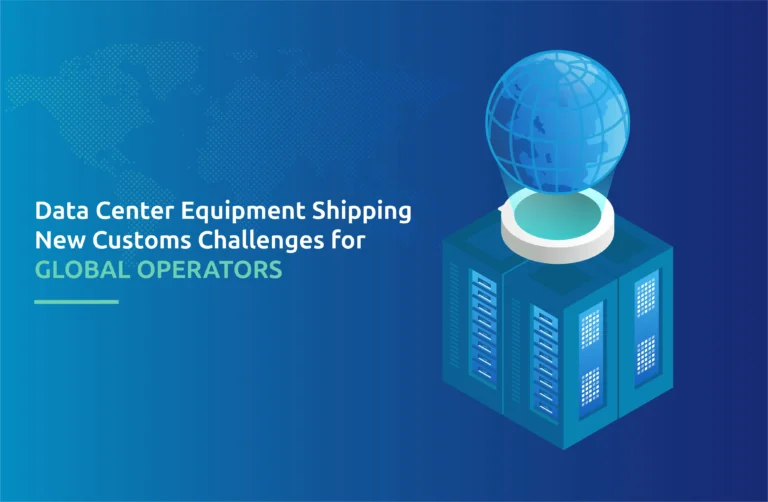
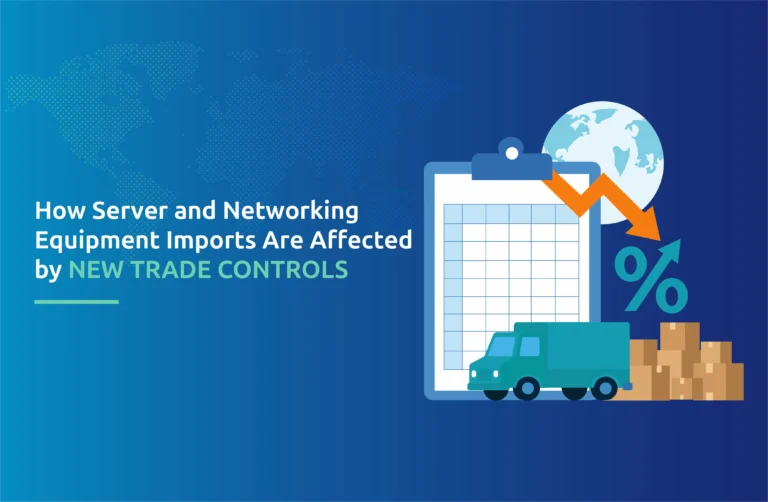
In 2025, trade regulations are at an all-time high. Regular changes in tariffs and more stringent customs regulations must be adhered to. The importing and exporting firms are the importer of record and exporter of record, which are critical in preventing fines or delays in shipments. The DDP (Delivered Duty Paid) terms are gaining popularity as they help to define responsibilities and costs. Digital customs clearance systems have been widely adopted in many countries, as they facilitate the customs clearance process. Freight forwarding solutions must be adopted by businesses to remain compliant and ensure the unhindered port-to-port transportation of goods.

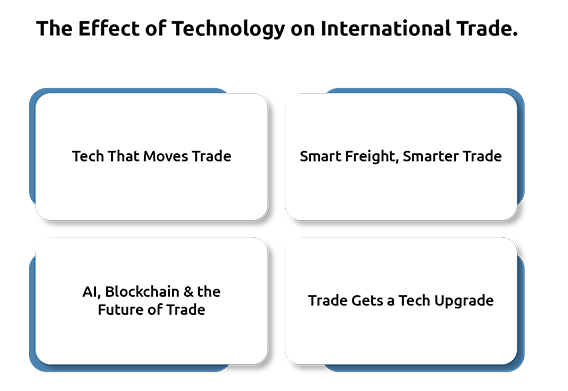
The Effect of Technology on International Trade.
The world has been undergoing significant changes in global freight activities as a result of the advancement in technology. Blockchain enables the secure transfer of data & minimizes fraud in business records. Artificial intelligence assists in route planning, risk prediction, and scheduling.
The automated freight forwarding systems simplify the process of tracking shipments and calculating costs using a volumetric weight calculator or an air freight chargeable weight tool. Digital customs clearance would expedite the transportation of valuable equipment across borders. This may enable companies to integrate better warehousing and smart logistics and freight forwarding tools, and attain more transparent and efficient business trade.
Sustainability and ESG Requirements for Importers and Exporters
Sustainability has become the center of international trade. Both governments and clients need greener logistics solutions. Airports and warehouses are also transitioning away from traditional sources of energy to cleaner alternatives and implementing energy-saving infrastructure.
Sustainable warehousing systems and logistics practices are being adopted by importers & exporters of aviation, medical, and technology products. Green freight forwarding services reduce emissions and preserve the quality of cargo. Achieving these Environmental, Social, & Governance – ESG – standards helps enhance a company’s reputation & foster long-term connections.
Overcome Supply Chain Disruptions & Geopolitical Risks
Global traders have their new goal for strength. At any point in time, the logistics networks can be disrupted by geopolitical tensions, restrictions in trade, and disasters. Companies have to be ready in terms of diversification of shipping routes and investment in quality warehousing. The collaboration with an advanced freight forwarding logistics organization serves as a good backup even in situations that are hard to predict.
Global Ports, Airports & Climate Impact
Some of the world’s most important airports, such as Singapore Changi, Frankfurt, & Los Angeles International Airport, remain significant hubs for global cargo. These hubs invest in recent warehouse management technology and automation to deal with specialized freight. With climate change, it becomes increasingly difficult due to unpredictable weather conditions and the overloading of infrastructure. Freight forwarding companies should adopt greener means of transportation and implement more efficient storage systems. The reliability of shipping airfreight precision equipment to various parts of the world will largely depend on sustainable logistics and smarter warehouse design.
Conclusion
The trading environment of the world in 2025 requires flexibility, conformity, and innovation. To remain competitive, importers and exporters need to pay attention to technology, sustainability, and active supply chain management. The collaboration with a reliable freight forwarding logistics company can be helpful to minimize the complicated shipping and customs requirements. At One Union Solutions, we handle all the processes, including the coordination of the importer of record, from the process of customs clearance and delivery. Our freight forwarding, strong warehousing systems, and latest tracking systems provide secure and time-efficient transportation of your international shipments.
Did You Know,
Trade volumes for healthcare and IT equipment are expected to rise by over 10% in 2025. This growth is powered by better logistics, smarter warehousing, and reliable international freight forwarding companies handling precision equipment.
FAQ’s
What are the major trends of trade in the world in 2025?
The merchandise trade can tend to slow, whereas the trade in digital and service-related goods will increase. The movement of aviation, automotive, IT, and healthcare goods across the world is being influenced by e-commerce and automation.
What impact do new regulations have on import-export operations?
The amendment of tariffs and customs should be strictly observed by the importer of record and exporter of record. Digital customs clearance and delivered Duty Paid (DDP) deliveries are used to ensure compliance and minimize the number of delivery delays.
How does technology support modern trade?
Tools like blockchain and AI strengthen security and order accuracy. Automated freight forwarding systems use volumetric weight calculators and air freight chargeable weight metrics to estimate costs quickly.
Why is sustainability vital for global trade?
ESG goals now guide logistics planning. Warehouses and airports are adopting low-emission operations. Green trade practices help meet regulations and attract eco-conscious clients.
How can traders manage disruptions and risks?
Flexible routing, stronger warehousing, and white glove delivery can protect shipments. Using real-time tracking and an experienced freight forwarding service ensures steady operations in unpredictable markets.