Introduction
The year 2026 changed how importers and exporters guided the difficult web of global trade. Global supply chain services under constant strain, changing tariffs, and growing geopolitical uncertainty, importers had to reconsider sourcing plans and logistics planning. Countries reviewed Incoterms, re-evaluated their HS codes and HTS harmonized tariff schedules, and increased approval with international export regulations. For many organizations, this year highlighted the importance of having comprehensive import-export support, such as Importer of Record services and Exporter of Record services, to confirm smooth global trade facilitation.
Impact of Tariffs on U.S. Imports and Exports in 2026
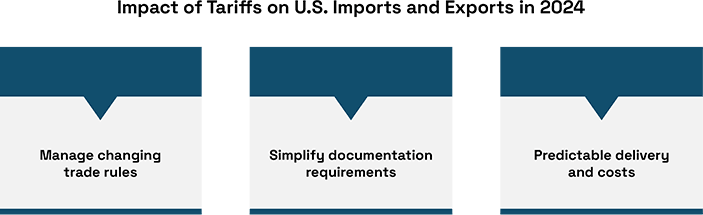
Long-term tariffs are a central issue for US importers and exporters in 2026. Growing trade issues affected a huge range of industries, from electronics and automotive parts to medical equipment and aviation goods. Many organizations had to depend on expert freight forwarding services and customs clearance support to manage the difficulties of changing trade rules and documentation requirements. Also, U.S. exporters faced new export customs brokerage demands as they worked to maintain competitiveness globally. Importers using DDP shipping or Delivered Duty Paid logistics solutions benefited from simplified delivery and cost predictability, mainly when working under DAP or DAPs trade guidelines. Also, countries using the Generalized System of Preferences (GSP) continued to reduce favorable tariff treatments to support fair and sustainable trade growth.
When Tariffs Disrupt Global Supply Chains
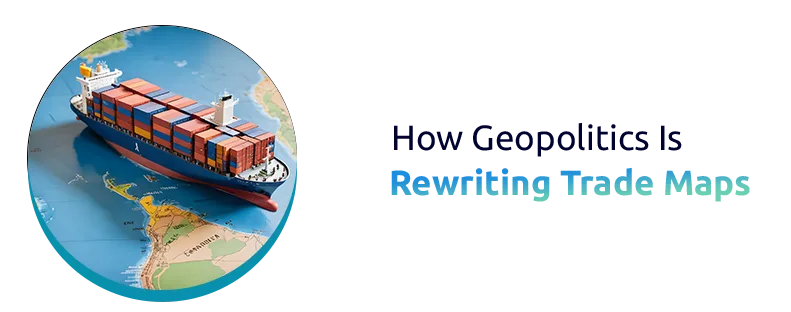
Tariff changes frequently trigger cascading effects across global supply chains. In 2025, unexpected tariff revisions forced many importers to change sourcing and explore other markets. Global supply chain services were disrupted not only by increased costs but also by delayed cargo movements, stricter port inspections, and new import documentation requirements. Businesses with import export registration in multiple officials faced varying approval loads. In such a changing environment, companies depended heavily on freight forwarding services and importer of record services to confirm that goods cleared customs effectively and adhered to country-specific tariff systems. The improvements in global trade facilitation became vital to keeping the flow of goods uninterrupted despite heightened trade tensions.
Tariffs & Trade Conflicts: The Global Implications of U.S. Tariffs
U.S. tariff guidelines in 2026 had ripple effects far beyond its borders. Many trading ties responded with anti-tariffs, affecting industries such as IT hardware, medical devices, and automotive parts. The growing trade conflicts revealed how interconnected supply chains are. Organizations start to use their Incoterms plans, specifically between DAP and DDP shipping methods, to gain better control over duties, taxes, and delivery responsibilities. To reduce risks, global businesses increasingly depend on comprehensive import-export support services, export register systems, and strong partnerships with freight forwarding services. Importer of record services became necessary for guiding regulatory challenges while confirming full agreement with both HS codes and HTS harmonized tariff requirements. These measures helped maintain international trade continuity amongst economic and political uncertainty.
How Tariffs Are Impacting the Global Supply Chain in 2026
By the end of 2026, the long-term effects of tariff volatility were clear. Global supply chains became more regionalized as organizations changed production closer to end markets. Logistics networks had to adapt, introducing flexible warehousing, increased route optimization, and improved visibility through digital tracking systems. Businesses providing DDP services and Delivered Duty Paid logistics gained traction, as importers prioritized predictability and agreement over cost savings. Also, a strong import export business system with customs clearance support, export customs brokerage, and international export regulations has become the foundation for supply chain dependance. For organizations looking to stay competitive, Incoterms, managing tariff exposure, and engaging expert freight forwarding services proved to be critical success factors.
Strategies to Reduce Tariff Risks in Global Supply Chains
Using providers from multiple countries rather than depend on just a single market could help businesses reduce tariff risks. This keeps the global supply chain working even in a situation that tariffs or trade rules change. To avoid delays & extra costs, businesses should also regularly check HS codes, customs documents, & trade compliance standards.
Businesses can more efficiently handle duties, taxes, and delivery duties by using the correct Incoterms, such as DDP or DAP. Smooth cross-border trade and customs clearance are also helped by working with trusted freight forwarding, Importer of Record (IOR), and Exporter of Record (EOR) service providers. These actions aid companies in reducing risks, reducing down delays, and maintaining a smooth process of globally shipments.
Conclusions
The lessons from 2026 make one thing clear: tariffs and trade tensions are not short-term challenges; they’re shaping the future of global trade. Importers and exporters must combine global trade facilitation plans with dependable partners providing importer of record and exporter of record services to confirm agreement and efficiency. In this changing trade, using DDP shipping, conforming to the HTS harmonized tariff schedule, and maintaining strong logistics and freight forwarding. An organization can turn tariff challenges into opportunities for more resilient and clear supply chain management.
DID YOU KNOW?
While some countries were being hit with a universal 10% tariff, others were being hit with higher import duties, Trump announced his sweeping import tariffs. A combined 104% tariff was imposed on Chinese products, which included reciprocal import duties and the previously announced 20% tariff.
FAQs:
What were the main effects of tariffs on U.S. imports and exports in 2026?
Tariffs in 2025 increased costs for U.S. importers and exporters, particularly in electronics, automotive, and medical sectors. Many relied on freight forwarding and customs brokerage to stay compliant and competitive.
How did tariffs disrupt global supply chains in 2026?
Tariff revisions caused sourcing shifts, port delays, and increased compliance burdens. Importers used Importer of Record services and DDP logistics to maintain delivery efficiency.
Why are Incoterms important for managing tariff impacts?
Incoterms like DAP and DDP define responsibilities for duties and delivery. Using the right Incoterm helps importers control costs and ensure smoother trade under tariff uncertainty.
What role did Importer of Record (IOR) services play in 2026?
IOR services helped companies navigate complex customs rules, HS codes, and HTS tariffs, ensuring legal compliance and uninterrupted supply chain operations.
How can businesses prepare for future tariff changes?
Businesses can strengthen resilience by diversifying sourcing, optimizing logistics networks, using DDP services, and partnering with expert freight forwarding companies for global trade compliance.