Introduction
The semiconductor industry is at the heart of modern technology, supplying everything from smartphones and vehicles to medical equipment and aviation systems. Also, global supply chain issues and dependence on overseas manufacturing have exposed vulnerabilities in America’s chip production. The CHIPS and Science Act was planned to strengthen the U.S. semiconductor supply chain, promote innovation, and confirm long-term competitiveness. At the same time, organizations involved in global trade facilitation, freight forwarding services, and importer of record services are playing a vital role in helping semiconductor organizations guide approval, customs clearance support, and international export regulations.
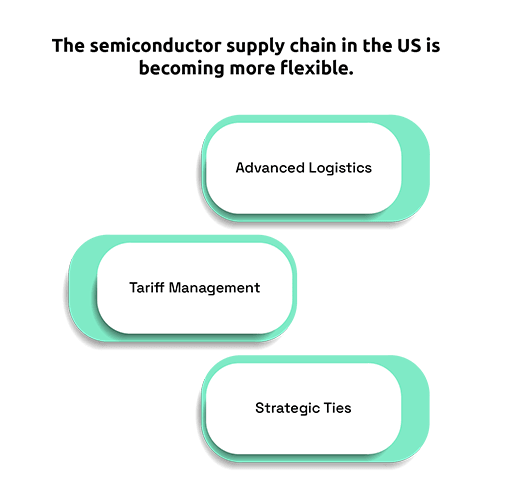
The semiconductor supply chain in the US is becoming more flexible.
The U.S. semiconductor supply chain is gradually becoming more dependent through investment in local production, research centers, and strategic ties. Businesses are increasingly adopting advanced logistics solutions to ensure the smooth movement of valuable parts. Programs such as the generalized system of preferences have also helped exporters manage tariff-related issues. Also, smooth use of HS codes and the HTS harmonized tariff systems in trade documentation confirms efficiency in the import-export business. By strengthening vital infrastructure, America is reducing dependence on global chip supplies while improving its position in the global technology race.
How is the CHIPS and Science Act strengthening semiconductor supply chains in America?
The CHIPS and Science Act is strengthening semiconductor supply chains in the United States by providing substantial government funding, tax incentives, and research support to boost domestic chip manufacturing and reduce reliance on overseas suppliers. The law encourages companies to build and expand automation plants, invest in advanced technologies, and develop a skilled workforce within the country. It also promotes partnerships between universities, and government agencies to drive innovation and secure critical components for industries like electronics, automotive, and defense. By reshoring production and diversifying supply sources, the act aims to improve supply chain resilience, minimize disruptions, and ensure long-term technological competitiveness.

Why Semiconductor Supply Chain Resilience Matters for U.S. Technology Leadership
The semiconductor industry plays an essential role in modern technologies, including artificial intelligence, electric vehicles, telecom, healthcare equipment, & defense systems. Recent supply chain delays, global conflicts, & heavy reliance on international production have shown the importance of developing a stronger & more flexible semiconductor supply chain in the U.S.
Programs such as the CHIPS & Science Act are helping expand semiconductor production, support growth, & develop a skilled workforce within the country. A strong supply chain helps improve technology security & makes sure that industries can maintain reliable access to advanced chips.
Key Provisions of the CHIPS Act and how One Union Solutions helps
The CHIPS Act provides funding for semiconductor R&D, incentives for local manufacturing, and initiatives to develop a skilled workforce. However, many companies entering this ecosystem must also deal with export customs brokerage, import export registration, and compliance with Incoterms such as DAP, DDP, and Delivered Duty Paid logistics.
This is where One Union Solutions adds value. As a global partner for comprehensive import-export support, the company provides delivery duty paid services, DDP shipping solutions, and expert importer of record services to help technology organizations expand seamlessly. By providing exporter of record services, global supply chain services, and tailored customs clearance support, One Union Solutions ensures semiconductor companies can access new markets compliantly while focusing on innovation.
Reshoring U.S. Semiconductor Manufacturing
One of the biggest goals of the CHIPS Act is to reshore semiconductor production. Reshoring, American manufacturers gain more control over sensitive chip designs and avoid supplies caused by geopolitical tensions or shipping delays. Still, building production requires work with suppliers globally. This makes freight forwarding services and export register compliance necessary for logistics, special equipment, and raw materials. Working with strong global supply chain services, U.S. manufacturers can balance local production with global sourcing while meeting strong regulatory requirements.
CHIPS Act: What it means for the semiconductor ecosystem
The CHIPS Act shows a historic commitment to creating America’s semiconductor ecosystem. It not only grows local storage but also improves innovation across industries such as automotive, IT, aviation, and healthcare. For organizations involved in the import-export business, this work means greater opportunities but also higher approval responsibilities. From confirming accurate HS code classification to managing international export regulations, organizations must depend on trusted partners who provide comprehensive import-export support. Using tools such as export customs brokerage and importer of record services, the semiconductor ecosystem can grow in a globalized yet secure environment.
Conclusions
The CHIPS Act is more than an economic strategy it is a national security initiative to protect America’s leadership in semiconductors. As the U.S. continues reshoring efforts, companies must also strengthen their logistics, DDP shipping, and global supply chain services strategies. Organizations like One Union Solutions will remain key enablers, offering importer of record services, delivery duty paid logistics, and exporter of record services to ensure smooth expansion and compliance. Also, government support and industry collaboration will drive a stronger, more resilient semiconductor supply chain in the years ahead.
DID YOU KNOW?
The CHIPS and Science Act provides $50 billion to strengthen U.S. semiconductor manufacturing, research, and workforce development through the U.S. Department of Commerce.
FAQs:
Q1. What is the CHIPS Act, and why is it important for the U.S. semiconductor industry?
The CHIPS and Science Act provides funding for semiconductor research, reshoring manufacturing, and workforce development. It strengthens America’s supply chain resilience and reduces dependency on overseas chip production.
Q2. How does the CHIPS Act affect global trade and logistics?
The Act increases demand for import-export compliance, freight forwarding services, and adherence to Incoterms like DDP and DAP. Companies must manage customs clearance and international trade regulations efficiently.
Q3. Why is reshoring semiconductor manufacturing critical for the U.S.?
Reshoring enhances control over chip designs, reduces risks from geopolitical tensions, and ensures the timely availability of critical components for industries like IT, automotive, and healthcare.
Q4. How does One Union Solutions support semiconductor companies under the CHIPS Act?
One Union Solutions provides importer of record (IOR) services, exporter of record (EOR) services, DDP shipping, and global supply chain solutions, helping companies expand internationally while staying compliant.
Q5. What role do HS codes and tariffs play in semiconductor trade?
Accurate HS code classification and tariff management ensure smooth customs clearance, minimize delays, and help semiconductor companies comply with international trade laws.