Overview:
In today’s data-driven economy, servers are no longer simple hardware assets; they are the foundation of secure digital operations. Modern servers are built with advanced encryption features to protect business-critical and personal data. Because encryption can hugely restrict access to information, servers with encryption need special declarations to clearly define how cryptography works and is used. These declarations become mainly important when encrypted servers move across borders as part of global technology deployments supported by logistics chains, international freight services, and exporter of record services. Regulatory officials may also enter documentation of reliable trade systems, such as the Generalized System of Preferences, Incoterms, international shipping terms, HS code, and the HTS Harmonized Tariff Schedule categorizations.
What is Encryption & How Does It Work?
Encryption is a process that converts plain information into coded data using encryption systems. Only authorized users with the correct decryption document can access the original information. This confirms data privacy even if systems are breached or data is intercepted.
Types of Encryption Used in Servers
Servers mainly use balanced encryption for fast processing of large data volumes and unbalanced encryption for identity verification and secure key exchange. These technologies protect stored information, user credentials, and communication between connected systems. Because encrypted servers actively manage and restrict information access, servers with encryption need special declarations to clarify their data-encryption strength, functional scope, and intended usage. This technical clarity frequently becomes part of documentation reviewed during customs clearance, importer of record service processes, and global shipping procedures.

Why Encryption is Necessary for Data Protection and Compliance
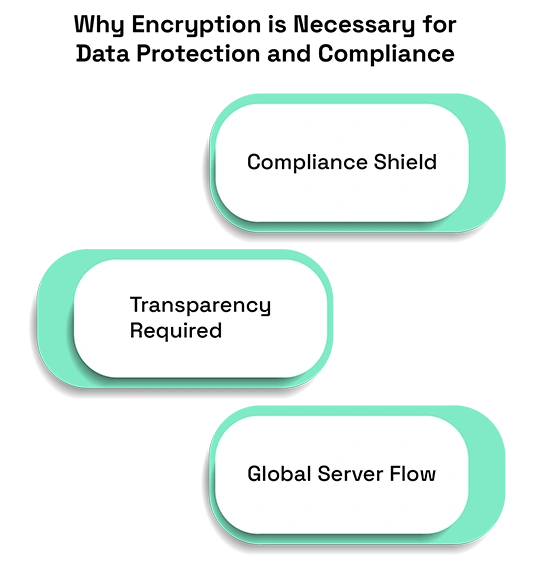
Encryption is vital for stopping uncertified entry to sensitive business and personal data. It protects economic records, healthcare information, and enterprise systems from theft and tampering. From an agreement perspective, encryption supports global expectations around responsible data management. Organizations that use encrypted servers display responsibility in risk management and regulatory compliance. However, because encryption technologies can also obscure data activities, authorities often require transparency through formal declarations. When encrypted servers are supplied to overseas facilities or cloud environments, documentation may be reviewed in connection with DAP and DAPs delivery methods, premium delivery service agreement, and inventory and order management records.
How the Directory Server Provides Encryption Need Declarations
Directory servers are central to identity management. They control access rights, store authentication data, and validate user credentials across business systems. To protect this critical role, directory servers integrate encryption at multiple levels, including password storage, access tokens, and secure communication channels.
Role of Declarations in Directory Server Deployments
When a directory server contains built-in encryption modules, declarations are often required to specify encryption algorithms, key management processes, and working scope. These declarations help authorities, partners, and regulators understand how secure access is enforced. Because directory servers sit at the core of enterprise ecosystems, servers with encryption need special declarations to confirm lawful use, proper oversight, and technical accountability, particularly when deployments are supported by freight forwarding companies near me, international freight services, or exporter of record services.
Reasons for Servers with Encryption Need Special Declarations
There are many practical and regulatory reasons why servers with encryption need special declarations.
- First, encryption can increase national security and data governance. Declarations clarify how cryptographic systems are implemented and controlled.
- Second, declarations reduce the risk of misuse. Documented encryption capabilities start transparency and traceability across global technology movements, supported by logistics providers and supply chain optimization strategies.
- Third, declarations help align technical devices with trade and agreement systems, frequently reviewed alongside HS code identification, HTS harmonized tariff schedule systems, Incoterms agreements, and international shipping terms.
- Finally, special declarations support structured deployment planning. They integrate encrypted servers into inventory and order management systems, an importer of record service, and customs clearance documentation, reducing delays, disputes, and approval risks.
Conclusion:
Encryption has become a standard part of modern server infrastructure. It protects enterprise platforms, secures user identities, and safeguards necessary data environments. Also, encryption introduces regulatory responsibilities that cannot be overlooked. This is why servers with encryption need special declarations. They confirm encrypted systems are deployed transparently, managed responsibly, and work with global operational systems from international freight services and premium delivery service methods to broader trade ecosystems.
DID YOU KNOW?
To comply with § 164.306(a), implement sufficient security measures to mitigate risks and vulnerabilities and reduce them to a reasonable and appropriate level.
FAQs:
1. What is a special declaration for servers with encryption?
A special declaration is a formal document that explains the encryption features of a server, including the type of cryptography used, its purpose, and how access to data is controlled. It helps authorities and partners understand how the technology works and how it is intended to be used.
2. Why do encrypted servers require additional documentation?
Encrypted servers restrict access to information and may raise regulatory, trade, and data-governance concerns. Declarations provide transparency, reduce misuse risks, and support customs clearance and compliance during international shipments.
3. Are encryption declarations required for all international server shipments?
In many cross-border deployments, especially where servers include built-in cryptographic functions, authorities may request encryption-related declarations as part of import, export, or customs review processes.
4. What details are usually included in an encryption declaration?
Declarations often describe encryption algorithms, key management methods, functional scope, and intended use. They may also link the server to HS code classifications, HTS schedules, and other trade documentation.
5. How do special declarations benefit businesses?
They help prevent shipment delays, support smoother customs clearance, improve regulatory transparency, and ensure encrypted servers are integrated correctly into global logistics, inventory management, and compliance systems.