Overview
The Philippines’ electronics exports are gaining strong growth in 2026, improving the country’s role in the global technology supply chain. Globally, the growing demand for electronics, semiconductors, and electronic components is enabling the nation to capitalize on approving global export guidelines and improve its export growth in global trade. As global trade becomes more structured, businesses are also working with schemes such as the Generalized System of Preferences (GSP), standardized HS code categorization, and the HTS harmonized tariff Schedule to confirm smooth market access and approval for shipments.
The Philippines as a High-Value Electronics Manufacturing Hub
Strong Foundation in Semiconductor Production
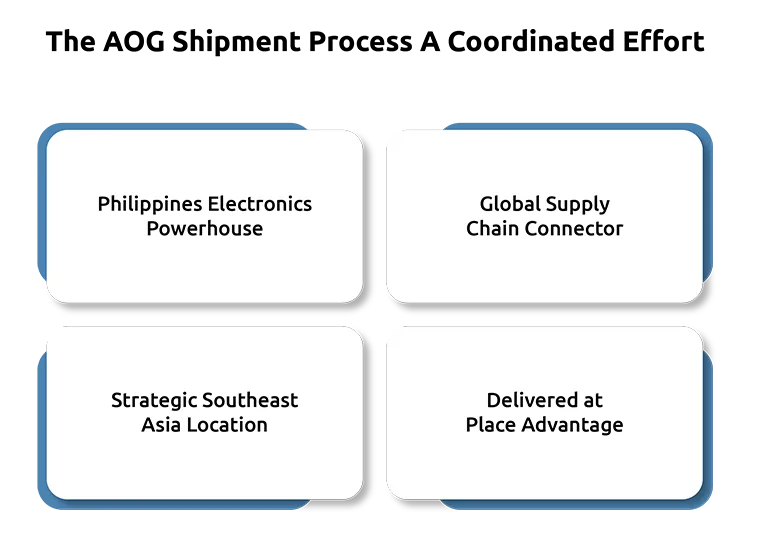
The Philippines has created a strong reputation in semiconductor assembly, testing, and packaging for logistics. These works are necessary for global electronics manufacturing, mainly for devices used in telecommunications, automotive systems, and consumer electronics. By using global trade standards and proper categorization systems with the HS code, exporters maintain efficiency and accuracy in global shipments.
Major Geographic Location of the country
Located in Southeast Asia, the Philippines benefits from close to major trading partners. This allows effective logistics planning and cost-effective shipments of goods. Businesses also depend on International freight services and improved shipping methods such as DAP and DAPs (Delivered at Place) to confirm the timely and dependable delivery of electronics products.
What’s Fueling Philippines Electronics Exports in 2026?
Growing Global export for Electronics
The global acceptance of digitalization, AI technologies, and electric vehicles is increasing the export of semiconductors and electronic components. Also, the Philippines is seeing a growth in export orders of electronics. To manage this growth effectively, organizations are working on supply chain optimization to reduce delays and improve efficiency.
Supply Chain Variation of logistics
Global organizations are changing their supply chains to reduce risks related to overdependence on a single region. The Philippines has grown as a preferred alternative due to its stable environment and established manufacturing ecosystem. This change has increased the demand for services such as exporter of record services and importer of record services, confirming that goods follow international trade terms.
Government Support and Trade Compliance
Government guidelines are also playing a vital role in boosting exports in the Philippines. Guidelines that increase investment and simplify Customs clearance procedures have made it easier for businesses to work in exports. Also, organizations are adopting the best trade compliance software for import export rules to work with developing global regulations and avoid penalties.
Effective Trade and Documentation Methods
Efficient documentation is crucial to successful exports. Businesses frequently ask questions like “can a freight forwarder be an exporter of record,” or “can a customs broker handle both import and export documentation,” to simplify trade. By showing defining roles and responsibilities, organizations can confirm easy shipments and reduce approval risks.

How the Electronics Industry Supports the Philippine Economy
One of the Philippine economy’s largest providers is the electronics sector. By supplying goods to countries all over the world, it supports export growth, attracts foreign investment, and provides thousands of service. Semiconductors, electronic parts, and other technology goods used in many industries are produced by this industry. Strong exports also improve the country’s position in the international electronics market, increase trade, and help local companies.
How Philippine Electronics Exports See a Better 2026
Expansion of Manufacturing Capabilities
Electronics production in the Philippines is growing in automation and advanced technologies to increase production. These improvements not only increase output but also increase product quality. Effective logistics planning and the use of globally accepted Incoterms further support smooth global trade shipments.
Improving Global Trade Partnerships
The Philippines continues to create strong relationships with global trade, confirming steady demand for its electronics exports. Organizations using trade systems such as the Generalized System of Preferences (GSP) allow exporters to access some markets with reduced tariffs, improving exports in global trade.
Improved Working Efficiency
From better inventory and order management to simplified Customs clearance processes, businesses are looking at exporting electronics. The integration of digital tools and approval systems confirms faster processing times and improved accuracy in global trade shipments.
Conclusion
The Philippines’ electronics exports are set to grow in 2026, driven by strong global demand, major advantages, and continuous improvements in manufacturing and trade methods. By combining structured systems such as HS code categorizations, HTS harmonized tariff Schedule, and globally recognized Incoterms, the country is improving its position in global trade. Also, the growing acceptance of services such as exporter of record services, importer of record services, and advanced trade approval tools highlights the industry’s responsibilities to efficiency and regulatory guidelines. As businesses continue to show major operational questions in logistics, the Philippines is situated to sustain its export growth and remain a vital hub in the global electronics supply chain.
DID YOU KNOW?
In January 2026, the country’s total external trade in goods amounted to USD 18.24 billion, which indicates an annual increment of 0.9 percent from the USD 18.07 billion total external trade in the same period of the previous year.
FAQs:
1. Why are Philippine electronics exports growing in 2026?
Philippine electronics exports are growing due to increasing global demand for semiconductors, AI technologies, and consumer electronics. Improved supply chain optimization and supportive government policies are also contributing to export growth.
2. What role does the semiconductor industry play in the Philippines exports?
The semiconductor industry is a major contributor, as the Philippines specializes in assembly, testing, and packaging. These processes are essential for global electronics manufacturing across industries like automotive and telecommunications.
3. How do trade policies like GSP benefit Philippine exporters?
The Generalized System of Preferences (GSP) allows exporters to access certain international markets with reduced or zero tariffs, making Philippine electronics more competitive globally.
4. What are HS codes, and why are they important in exports?
HS codes (Harmonized System codes) are standardized HS code categorizations for traded products. They help confirm correct customs clearance, proper tariff application, and smooth international shipping.
5. How is logistics improving electronics exports in the Philippines?
Logistics improvements such as international freight services, better inventory and order management, and the use of Incoterms like DAP confirm timely delivery and reduced shipping delays, increasing export efficiency.