Introduction
In today’s era of global supply chain services, logistics is no longer just about moving goods; it’s about expecting change before it happens. A digital twin is a virtual model of a physical system, such as a warehouse, shipping route, or supply chain network, that allows live tracking and optimization. This technology is changing how businesses manage import and export processes, from DDP shipping to Customs clearance support, by providing unmatched predictive insights. As international export regulations grow, digital twins enable organizations to methodically structure, increase visibility, and make smarter logistics decisions faster than ever.
Digital Twins Could Heal the Supply Chain?
The pandemic exposed major weaknesses in global logistics, exploded systems, data separation, and delayed reactions. Digital twins could be the “healing touch” for the supply chain requirements. By creating a digital duplicate of the difficult logistics chain, organizations can expect disruptions such as port delays or customs slowdowns before they occur. For example, an organization providing Importer of Record (IOR) services can use digital twins to visualize the flow of goods across borders, confirming agreement with local Incoterms and HTS Harmonized Tariff structures. This proactive approach not only simplifies import and export business operations but also strengthens risk management.
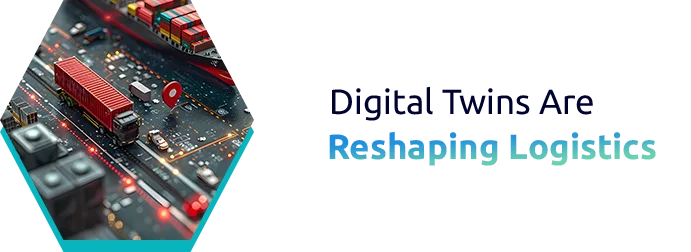
Four Ways Digital Twins Will Shake Up Logistics
Predictive Shipment Management
Using digital twins, organizations can predict logistics delays, equipment issues, or warehouse issues in advance. This ability allows logistics providers to make data-backed adjustments in import and export timelines.
Improved Customs and Compliance Oversight
Businesses engaged in Comprehensive import-export support can simulate customs processes and tariff implications using live data from digital twins. Combining HS codes within these simulations helps confirm smoother export customs brokerage and approval under global trade plans such as the Generalized System of Preferences.
Warehouse Optimization
Digital twins allow logistics teams to design warehouse layouts before making manual changes. This virtual testing increases storage utilization, speeds up order fulfillment, and works with sustainable goals in global supply chain services.
Resilient Trade Route Planning
From import export registration to route optimization, digital twins help companies evaluate multiple transport scenarios, choosing routes that minimize risk and cost while adhering to international export regulations and regional DAP or DAPs terms.
Digital Twins Optimize Today’s SCM Software?
Traditional supply chain management software provides visibility, but digital twins take it further with variation, live tracking. Combining IoT data, AI analytics, and blockchain records, digital twins empower SCM platforms to predict disruptions and adjust work automatically. For logistics experts and importers-exporters, this means small manual interventions and faster, data-driven decisions. Also, organizations providing IOR services can combine digital twin data with SCM tools to simplify import and export business processes, reducing issues, confirming regulatory agreement, and improving delivery accuracy under DDP shipping methods.
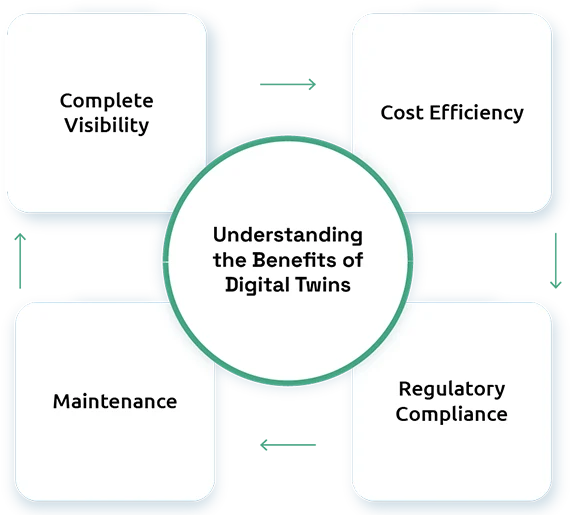
Understanding the Benefits of Digital Twins
Digital twins bring a range of benefits to the logistics ecosystem, including:
- Complete Visibility: Smoothly connect every part of the import and export process from manufacturing to Customs clearance support on a platform.
- Maintenance: Identify possible issues in warehouse machinery or cargo logistics before they cause costly downtime.
- Improved Route Planning: Use live tracking to adjust logistics routes and avoid geopolitical or sustainable logistics delays.
- Regulatory Compliance: By integrating tariff data, HS codes, and Incoterms, digital twins simplify approval to international export regulations.
- Cost Efficiency: From export register procedures to Comprehensive import-export support, businesses can reduce delays and improve their overall logistics ROI.
- Digital twins thus work as the foundation for future-ready logistics systems, combining advanced analytics with approval accuracy and working efficiency.
Conclusion
As the logistics industry transitions into a digital-first era, the role of digital twins will only grow stronger. From importer exporter works to Export customs brokerage, this technology confirms visibility and agility across borders. Organizations providing Importer of Record services can issue digital twins to provide smarter, Comprehensive import-export support and increase DDP shipping execution. In an increasingly difficult world of international export regulations, digital twins are not just an innovation; they’re the presence for the future of logistics.
DID YOU KNOW?
Market analysis shows that the global market for digital twins will grow by about 30 to 40 percent annually over the next few years, reaching $125 billion to $150 billion by 2032.
FAQs:
Q1: What is a digital twin in logistics?
A digital twin in logistics is a virtual replica of a physical supply chain system, such as warehouses, shipping routes, or transport networks. It allows businesses to simulate, monitor, and optimize operations in real time.
Q2: How do digital twins improve supply chain efficiency?
By providing predictive insights, digital twins help anticipate disruptions, optimize warehouse layouts, plan resilient trade routes, and ensure compliance with international export regulations.
Q3: Can digital twins assist with customs and regulatory compliance?
Yes. Digital twins integrate HS codes, Incoterms, and tariff data to simulate customs processes, ensuring smoother approvals for importers and exporters under DDP or other shipping methods.
Q4: What industries benefit the most from digital twins in logistics?
Industries such as IT, automotive, aviation, and medical sectors benefit greatly, especially where international shipping, compliance, and precise supply chain planning are critical.
Q5: How do digital twins work with existing SCM software?
Digital twins complement traditional SCM platforms by adding live tracking, predictive analytics, and AI insights, enabling faster, data-driven decisions and reducing manual intervention.