
Overview
The Belarusian government has taken a huge step toward improving cross-border trade by simplifying the issuance of one-time import and export licenses for traders. This regulatory use is to reduce official difficulty, increase trade clarity, and support exporters and importers working in major industries such as IT, aviation, medical equipment, and automotive manufacturing in global trade. Simplifying licensing requirements, Belarus is creating a more predictable system for global trade while improving approval and customs problems. Organizations involved in international freight services and customs clearance, this move helps align trade procedures with developing global shipping methods and international shipping terms for shipments in Belarus.
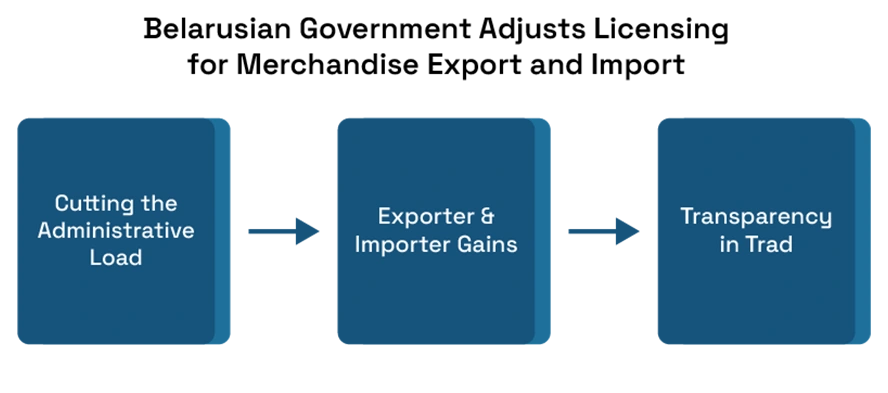
Belarusian Government Adjusts Licensing for Merchandise Export and Import
The new licensing systems focus on reducing repetitive approvals and paperwork previously required for goods export and import. Under the new rules, businesses can apply for one-time licenses that cover specific shipments, quantities, and schedules of shipments.
Cutting Out the Middlemen in Customs
In 2026, the biggest relief for traders is the move to direct filing with the ministry(MART). If you are handling the shipping paperwork, you can finally stop wasting time calling different offices just to check an HS code. This new process for 2026 means no more waiting for weeks to deal with government handlers.
Improved Trade Transparency
Clearer licensing procedures also help customs brokers and logistics partners confirm shipments work with Incoterms such as DAP, reducing problems over delivery responsibilities and cost allocation of the supply chain in Belarus.
Which Goods May Require an Import or Export License in Belarus?
Not all goods need an import or export license in Belarus. Licensing can apply to controlled goods, products under quotas or trade restrictions, and certain regulated or strategic items. The HS code is important because it helps determine how a product is classified and whether a licensing measure applies. Requirements can vary based on the product, HS code, trade direction and current Belarus trade compliance or applicable Eurasian Economic Union rules.
How the Belarusian Government Improves Trade by Providing One-Time Import and Export Licenses
The introduction of one-time licenses shows Belarus’s resolution to modernize trade governance while working with international trade terms for importers and exporters.
Working with Global Trade Methods
Providing standardized HS codes and supporting recognized Incoterms, the licensing systems improve work between exporters, customs authorities, and international shipping partners. This supports premium delivery service methods where speed and approval are necessary for the importer and exporter.
Strengthened Customs Oversight
Rather than weakening controls, the system increases traceability. Each license is connected to a specific shipment, improving customs clearance efficiency and reducing the risk of miscategorizations or regulatory problems for shipments.
Integration with Trade Preferences
While not directly replacing systems such as the generalized system of preferences (GSP), the simplified licensing methods complement preferential trade systems by confirming smoother execution of approved trade shipments in Belarus.
What Businesses Should Verify Before Using the New Licensing Process
Businesses should check that the product is protected by the required licensing rule and that the HS code is correct before using the Belarus import licensing process. They must identify if a license is required, which authority gives it, and if it covers a single shipment or a volume that has been allowed. Before shipping, make sure that the license’s validity, the required documents, and any other regulatory or customs clearances. Before every shipment, make sure to review the most recent laws because they are ready to change. Delays can also be avoided by keeping all license and shipment documents on hand.
Benefits of One-Time Import and Export Licenses for Exporters in Belarusian Markets
For exporters operating in Belarusian and regional markets, the benefits extend beyond paperwork reduction.
Faster Market Access
Simplified approvals reduce delays at borders, supporting international freight services and time-sensitive deliveries of exporters.
Cost Efficiency
Lower administrative overhead and some shipment hold-ups help exporters better manage logistics expenses, mainly under DAP and similar delivery terms of Belarus.
Increased Supply Chain Reliability
One-time licenses improve shipment predictability, allowing exporters and importers to improve supply chain optimization strategies and increase relationships with global partners in Belarus.
Competitive Advantage for Specialized Industries
In sectors such as aviation, medical devices, automotive parts, and IT hardware, where approval accuracy is necessary for trade, simplified licensing provides a clear working shipments boundary.
Conclusion
The Belarusian government’s decision to simplify one-time import and export licenses represents a practical change toward trade simplifications and regulatory clarity. Reducing administrative load, introducing a flexible six-month licensing period, and working processes with global standards, Belarus is supporting exporters, importers, and logistics service providers. For businesses involved in customs broker services, international shipping, and regulated industries, these reforms increase efficiency without compromising agreements. As global supply chains continue to develop, Belarus’s licensing adjustments position the country as a more accessible trade partner in global trade.
DID YOU KNOW?
In early 2026, Belarus updated its foreign trade laws to streamline operations. As of February 2026, the Ministry of Antimonopoly Regulation and Trade (MART) has simplified the process for obtaining one-time import and export licenses, which are typically valid for six months.
FAQs:
What is the biggest change in Belarus trade licensing for 2026?
The government has cut the red tape. You can now apply for one-time licenses directly through the Ministry (MART), making it much faster to move specific shipments without waiting weeks for paperwork.
Is it still possible to export industrial equipment from Belarus despite the ban?
Yes, you can, but it requires a one-time license from the Ministry (MART) to move banned goods. Without this permit, customs will hold your cargo at the border, even if the transaction is already fully paid.
Can I use one license for multiple shipments over six months?
No, a one-time license is strictly for a specific quantity and shipment. Even if you have a six-month window, you must apply for a new permit for every fresh delivery you plan to send.
What should companies check before exporting controlled goods to Belarus?
They should check the product classification, applicable restrictions, licensing requirement, supporting documents and customs requirements before shipping.
What specific items usually need these one-time licenses?
Most heavy-duty equipment like industrial engines, medical scanners, and specialized tech hardware requires these permits right now. Since these items are high-value, having the license ready