Overview
The industry within the aviation sector is undergoing one of the most remarkable transformations. It goes into a breakthrough in new technology, more environmental awareness, and altered customer needs as we move to 2025. This change brings about innovation in aircraft design, sustainability, & operational efficiency.
Further considered as the driving source of aviation’s new technologies. It is an assurance that the airlines, manufacturers, and airports have an element of being competitive. This blog takes a closer look at trends, advances, and facts defining the aviation industry in 2025 to reveal the major trends the industry will follow and what companies have to know to make a difference.
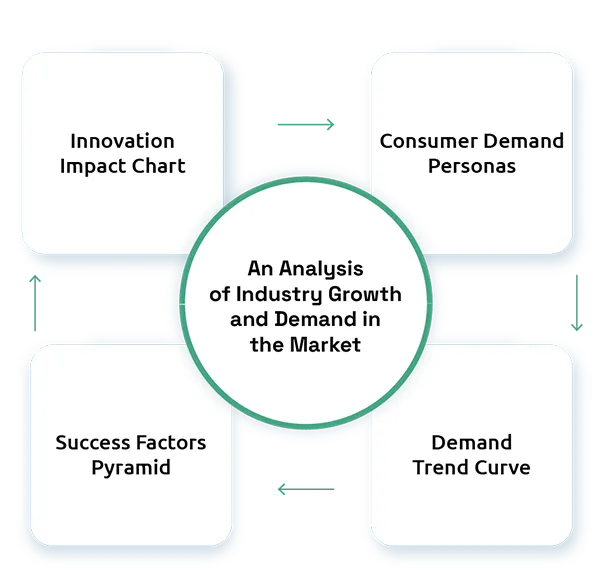
Market Growth and Demand Explained
There is an increasing demand for global air travel, with stable growth until 2025. The International Air Transport Association (IATA) suggests that passenger traffic worldwide will increase by 4.3% yearly, approaching pre-pandemic volumes. E-commerce, international trade, and the need to deliver faster are among the factors expected to push the ease of the air cargo sector further by 5.5%.
Air cargo will continue to face a high demand, with companies resolving to speedier delivery and people adopting online purchasing. Airport infrastructures are being developed, and governments are updating their air traffic control systems and investing in air technology to enhance air travel and freight efficiency.
How Will Digital Documentation Improve Aviation Operations in 2025?
As aviation operations continue to grow globally, digital documentation is becoming an important part of global logistics. Electronic shipping records, customs documents, & compliance documents help reduce processing time, improve accuracy, and simplify cross-border movement of aviation equipment. This approach also supports faster coordination between airlines, logistics providers, & customs authorities while minimize documentation errors.
How Aviation Supply Chains and Smart Logistics Will Evolve in 2026
The aviation industry will be improved & connected with smart logistics & digital technology by 2026. Airlines & providers are working to improve the speed, efficiency, and dependability of supply chains in order to prepare for increasing travel and cargo. New technologies that improve supply management and reduce delays include digital tracking, automated procedures, and smart systems. Businesses are updating their storage & logistics systems to make shipping aviation parts worldwide easier. Also, correct documents, customs laws, and improved international trade rules are important. These services make the aircraft supply chain safer, faster, & more efficient.
Future of Aviation Supply Chain and Smart Logistics in 2025
The aviation industry will be improved and integrated with smart logistics and digital technology by 2025. Airlines and providers are working to improve the speed, efficiency, and dependability of supply chains in order to prepare for increasing chances of travel and cargo. New technologies that improve supply management and reduce delays containing digital tracking, automated procedures, and smart systems. Businesses are updating their storage and logistics systems to make shipping aviation parts worldwide easier. Also, correct documents, customs laws, and improved international trade rules are important. These services make the aircraft supply chain safer, faster, and more efficient.

The Emerging Technologies of the Future
The trend in the aviation industry has been quoted to be a result of technological innovations that are causing growth in 2025. The future is becoming an aviation industry.
Automation and Artificial Intelligence (AI)
AI is changing aviation. Artificial intelligence-driven predictive maintenance allows airlines to identify possible problems before they happen and save on downtimes to enhance reliability. The AI also optimizes the route cutting of flights to reduce delays. Increased efficiency is experienced when automation is used in aviation.
Green Aviation Technologies
Green aviation technology aims to reduce the environmental impact of air travel. It improves aircraft operation and helps reduce pollution. To reduce its impact on the environment, it makes use of lighter materials and improved aircraft layouts. Future aviation travel will be cleaner and more sustainable due to these changes.
High Tech Aircraft Designs
High-tech aircraft design means making modern planes that are faster, lighter, and work better. It uses strong but light materials to reduce weight and improve performance. New plane designs help reduce air resistance so flights are smoother and more efficient. These aircraft also improve safety, comfort, and make long-distance travel easier and more advanced.
Key visions for the aviation sector in 2025
In 2025, the aviation industry’s supply chain strategy is becoming deeply interconnected with global trade compliance, digital logistics, and sustainable trade practices. Airlines and MRO providers are increasingly relying on freight forwarding services, multimodal transport, and DDP shipping to move aircraft parts and components efficiently while remaining compliant with Incoterms 2025. Advanced AI-powered demand forecasting tools are improving sourcing MRO decisions, reducing delays during in-transit operations, and optimizing air freight capacity using tools like an air freight calculator. To support international ecommerce shipping and aviation spare parts distribution, companies are investing in warehousing solutions, warehouse management services, and secure storage and warehousing services near major hubs. Seamless customs clearance, supported by accurate harmonized system codes (HS codes) and strong Importer of Record (IOR) and Exporter of Record (EOR) frameworks, is now essential for minimizing risk in global aviation logistics. These supply chain management best practices, combined with green logistics and white glove delivery, are helping aviation businesses maintain resilience, cost efficiency, and regulatory compliance across international markets.
Conclusion
Subsequently, technological shifts, sustainable innovations, and the shifting nature of the market will revolutionize the aviation industry in 2025.
Pursuing such innovations and utilizing new technologies will place companies in a good position in the highly competitive aviation industry. One Union Solutions assists companies by managing equipment, maintenance, and logistics. We will make things easier and allow the operation to run smoothly in this highly dynamic industry.
Did you know,
The International Air Transport Association IATA signifies that air traffic will reach its pre-pandemic capacities in 2025, and the global fleet size of commercial aircraft will grow at a 4.2% growth rate per year.
FAQ’s
1. What are the main challenges in aviation logistics?
Aviation logistics faces challenges like strict regulations, high shipping costs, delays in customs clearance, and complex documentation for aircraft parts and equipment.
2. Why is supply chain management important in aviation?
Supply chain management ensures aircraft parts, tools, and equipment are delivered on time, helping airlines maintain safety, reduce downtime, and improve efficiency.
3. What is the role of warehousing in aviation logistics?
Warehousing helps store aircraft parts safely and ensures quick availability when needed for maintenance, repair, or operations.
4. What is driving aviation industry growth in 2025?
Rising air travel demand, expanding air cargo, digital technologies, and investments in airport infrastructure are supporting aviation industry growth in 2025.
5. What technologies are transforming aviation logistics?
Aviation logistics is being transformed by technologies such as artificial intelligence (AI), real-time tracking systems, predictive analytics, automation, and digital supply chain platforms. These innovations help improve efficiency, reduce delays, and enhance visibility across global aviation supply chains.