Rising Security Concerns Reshaping Global Freight Routes
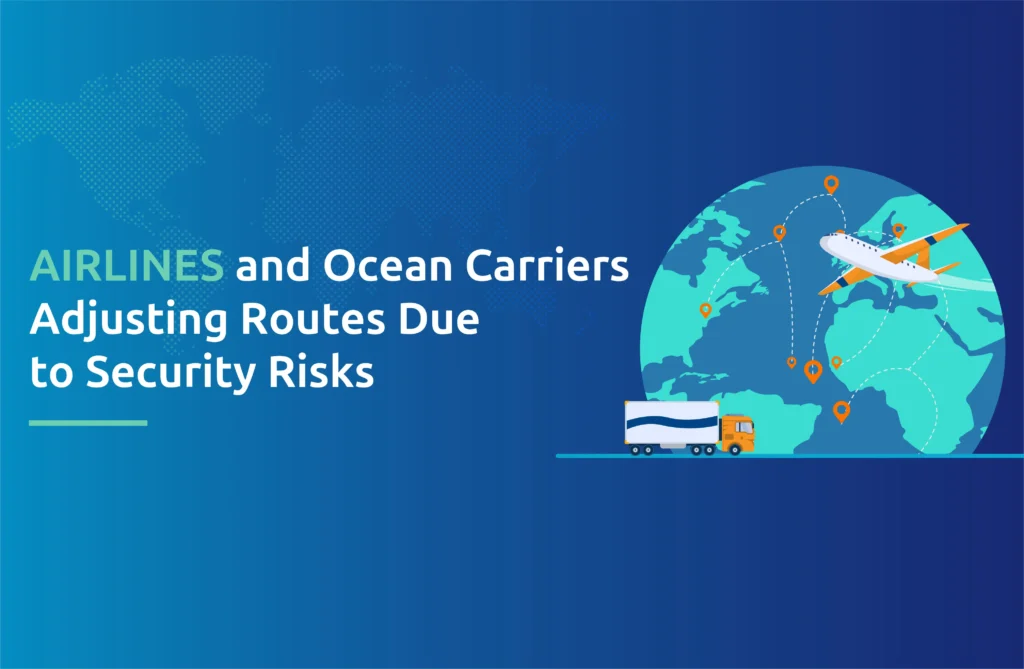
Global transportation networks are under a lot of stress. This is because tensions between countries and security risks are still causing problems for trade routes. Airlines and shipping companies are having to rethink their routes. They want to make sure their cargo, crews and ships are safe. Some areas that used to be safe for transit are now uncertain. So carriers are changing their routes avoiding areas and using different transportation methods. These changes are now a part of managing risk, for companies that trade internationally. Global transportation networks have to adapt to these changes to stay safe and efficient.
The route adjustments are affecting a lot more than transportation companies. These changes are causing problems for supply chains because transit times are getting longer fuel is being used more cargo capacity is being reduced and it is getting more expensive to operate. This is really tough for industries, like the aviation industry, medical equipment companies and information technology companies. These industries are vulnerable because they need to move high value products and components on time. As transportation companies deal with changing security conditions businesses also need to make their logistics planning and supply chain optimization and they need to come up with good import and export strategies. This will help them keep everything running smoothly and meet what their customers expect when trade is unpredictable.
Why Airlines and Ocean Carriers Are Choosing Alternative Trade Routes
Airlines and ocean carriers are changing their routes more and more because of security risks in trade areas. Airlines and ocean carriers are changing their routes more and more because of security risks in trade areas. There are also threats at sea near important shipping lanes. These changes help keep crews, ships, planes and valuable goods safe. They have to plan to make sure they get their goods on time.
For businesses involved in the movement of IT equipment, aviation components, medical devices, and automotive parts, Carriers are now focusing on safety checking risks in time and being flexible with routes so that goods keep moving smoothly even with all the uncertainty in global trade. They are making sure that when there are problems cargo keeps getting delivered.
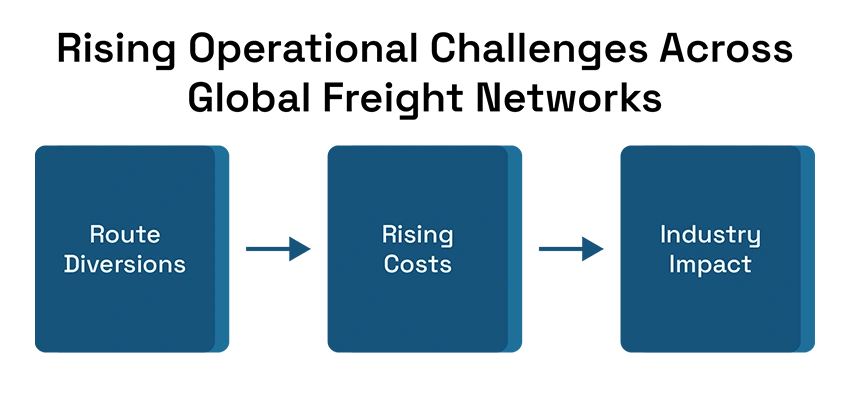
Rising Operational Challenges Across Global Freight Networks
Airlines and ocean carriers are changing their routes to avoid areas that’re not safe. This is causing a lot of problems for freight networks. When they take routes the ships have to sail longer distances or the planes have to fly further so it takes longer to get things from one place to another. At the time global freight networks are having to use fewer routes, which is causing problems at big ports and hubs where things are transferred. Global freight networks are getting very crowded, at these ports and hubs because much cargo is being sent through them.
These problems are making fuel cost more expensive. It is also costing more to move equipment and for carriers to do their job. This means that the people who ship things have to pay more. For companies that need to move things like computer equipment, airplane parts, medical equipment and car parts these delays and extra costs can cause problems with making things on time having enough things in stock and getting everything to where it needs to go. So it is very important for these companies to plan their shipments carefully. The transportation charges for shippers are getting higher because of these disruptions.
Building Resilient Transportation Strategies Amid Global Disruptions
Security concerns are a problem for major air and ocean trade corridors. This is why businesses are doing things to stop supply chain disruptions and keep operating. One way they are doing this is by using routes. If the usual route is slow or blocked companies can send their shipments through ports, airports and roads. Many companies are also using a combination of air, ocean, rail and road transportation. This means they are not relying on one way to move their goods. Businesses are also looking for places to get the parts they need. This way they are not dependent on one region for critical components. If there is a problem in one region they can still get what they need from another region.
At the time better shipment tracking helps businesses keep an eye on their cargo predict delays and make quick decisions. This is also helped by risk management plans that include backup routes checking on suppliers and being prepared with extra inventory. These steps help companies, in IT, aviation, medical and automotive fields keep their supply chains strong and deal better with the uncertainty of trade.

Conclusion
Security risks are a problem for air and maritime trade corridors. This is changing the way goods are moved around the world. Because of this airlines and ocean carriers have to keep changing their routes and schedules. They also have to adjust the way they do things. In this situation being able to adapt is very important, for businesses that trade with countries. Security risks and trade corridors are making things tough. So companies need to be able to change. Companies that keep an eye on problems use different ways to transport goods and make their supply chains stronger are doing better. They can avoid delays. Keep costs under control when it comes to security risks and trade corridors.
For companies that work in the IT, aviation, medical and automotive sectors doing well is about planning freight in a way and following rules. This also means being good at managing risks. When it comes to trading around the world things are not always certain. Companies that take charge of their freight and make sure they are doing things right will be able to keep going and grow over time.
DID YOU KNOW
“Both ocean carriers and airlines have been forced to implement major route adjustments, service suspensions, and surcharges, causing supply chain volatility and longer delivery times for shipments moving between Asia, Europe, and the Americas”
FAQS
Why are airlines and ocean carriers rerouting?
The military conflicts are getting worse. There are missile strikes happening near important areas like the Middle East airspace the Strait of Hormuz and the Red Sea. Because of this providers are changing the routes they take to stay from the fighting and to keep their insurance costs from going up
Which flight paths are most affected?
A lot of flights between Europe, North America and Asia are having problems. This is especially true for flights to and from India and the Gulf region. Flights on airlines like Emirates, Lufthansa and Air India are affected. They can not fly over Iran, Iraq and Syria because the airspace is closed.
How are ocean freight routes affected
The shipping companies are not using the Red Sea and the Suez Canal now. They are going all the way around the Cape of Good Hope at the bottom of Africa to get to their destination. This is a change.
How do these reroutings impact transit times and costs?
For air cargo taking a detour around airspace that is restricted or has a high risk can make the flight a lot longer by 30 minutes and sometimes by several hours. Ocean carriers that want to avoid areas of the sea, like the Red Sea have to take a longer way around. This can add a lot of time to the trip like 10 to 14 days or even more.
How can travelers and shippers track these changes?
Travelers: Check your airlines app on your phone to see if your flight time has changed. Also find out if you need to go to a gate. Check what the Federal Aviation Administration says about any travel restrictions.