Introduction
To enable to support aircraft servicing, repairs, and quick spares, spare parts typically have to be delivered across global borders. These parts is required with a country’s documents and customs rules before they may be imported. Incorrect shipments details, missing documents, or incorrect HS codes can cause delays and issue with planned aircraft repairs. This process is made simple by digital customs clearance, which allows companies to submit digital documents, verify shipment details, and track clearance updates. By allow improved interaction between aviation companies, MRO companies, suppliers, and logistics providers, these digital systems help reduce down on documents and avoid typical mistakes in the customs clearance of aircraft parts.
Why Traditional Customs Clearance Creates Challenges for Aviation Parts
For aviation parts, standard customs clearance can be challenging because it usually requires many documents and different parties. Customs officials can raise issues and force the cargo to be delayed if there are missing invoices, incorrect HS codes, or incorrect import documents for aviation parts. Mistakes are also more likely when the same information are entered into many systems.
When aircraft or maintenance, repair, and overhaul (MRO) teams have a quick demand for aircraft spare parts, these issues could become very important. It may be more difficult to quickly handle problems if suppliers, freight forwarders, customs brokers, and customs officials fails to interact well. Better planning and verifying documents can help more effective, international aviation processes and reduce waits at aviation customs.
How Digital Customs Systems Simplify Aviation Parts Clearance
Companies can handle aviation parts clearance with fewer papers and more control due to digital customs systems. Companies can provide shipment details to customs officials using digital and electronic customs declarations rather than submit every document in person. Show invoices, packing lists, and other required documents is made simpler as a result.
Different company networks can smoothly transfer cargo details due to Electronic Data Interchange (EDI). Companies can plan delivery and check the availability of parts by using customs clearance software, which can also connect to logistics or inventory systems & provide status updates. These tools improve digital customs process and reduce the need for manual data entry. Customs officials can still request for more details or routine checks, however digital services and document approval change by country.
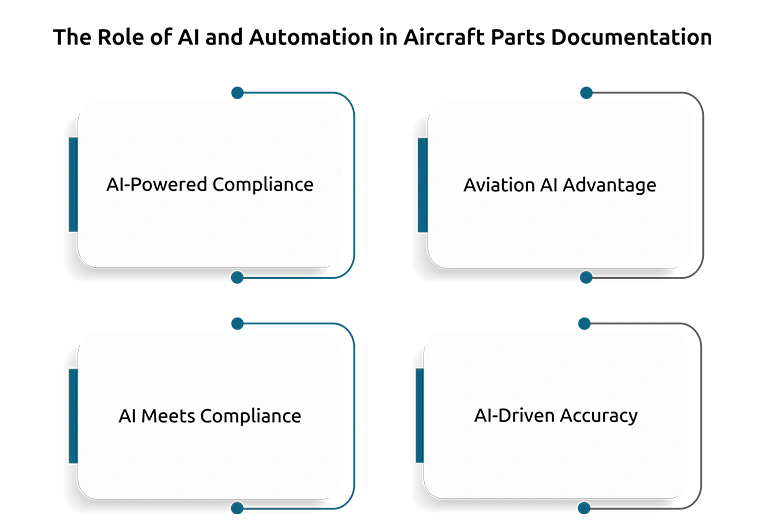
The Role of AI and Automation in Aircraft Parts Documentation
Teams can review aviation parts documents faster with the use of automation and AI. These technologies can detect mistakes in shipment records, compare details from invoices and air waybills, and identify missing facts. Also, they can help teams in checking HS codes to make sure correct customs classification.
While automated document review improves the accuracy of aviation parts data, artificial intelligence (AI) in customs clearance can save time and reduce manual errors. But not all compliance decisions can be made by AI systems. In aviation logistics, human analysis is still required to check product details, verify import regulations, and help with digital trade compliance.
How Digital Customs Improves AOG and Emergency Parts Shipments
The required spare part may have to be delivered from different country when an aircraft is grounded because of a technical issue. Digital customs services help teams in these cases by finding missing details and planning documents earlier time before the package reaches at its location. Also, logistics teams can track changes and handle quickly to requests for more details from customs officials by using online status reports.
Avoid clearance delays for Aircraft on Ground (AOG) shipments can be reduced by early document review and clear interacting. These processes are important for the delivery of required aircraft spare parts because even short delays can have an impact on repairs. Companies can improve control between time-sensitive aviation logistics and aviation MRO processes by pairing digital tools with well-planned AOG logistics services.
Digital Customs and Real-Time Visibility Across the Aviation Supply Chain
Airlines, MRO teams, suppliers, and logistics companies can keep updated about shipments of aviation parts with the use of electronic devices. Teams can verify if a delivery has been picked up, is a route, or was delivered at its location using real-time air cargo tracking and electronic shipment tracking. Also, connected systems provide exchange of updates and the planning of deliveries based on planned delivery times.
Improved visibility into the aircraft supply chain allows companies to plan the next step of operation and detect possible delays. An MRO company, for example, can plan routine repairs before of the delivery of a spare part. Customs status and transport tracking are not the same, though. When a shipment has reached the airport, it may still be requiring approval or customs checks. Depending on the details provided from carriers and customs systems, digital freight handling and air cargo integrated data can help companies keep a clearer check on these steps.

Conclusion: The Future of Digital Customs in Aviation Parts Clearance
Imports of aviation parts are made simpler by digital customs clearance due to electronic documents, automated checks, and improved shipment tracking. These methods help companies in reducing delays, improving efficiency, and identify mistakes quickly. However, shipping release and inspection are still under the control of customs officials. For the proper clearance of aviation parts, correct documents and proper compliance are still important.
Did you know
The commercial aircraft aftermarket parts market size is expected to grow from USD 44.63 billion in 2025 to USD 47.11 billion in 2026 and is projected to reach USD 61.71 billion by 2031 at a 5.55% CAGR.
FAQ
Can digital customs detect errors in aircraft parts documents before shipment?
Yes, digital tools can flag missing details or differences in invoices, air waybills, and packing lists before documents are submitted to customs.
How does digital customs help with urgent AOG parts imports?
It helps teams prepare documents early, check shipment updates, and respond faster when customs authorities request more information.
Can AI select the correct HS code for aircraft spare parts?
AI can suggest possible HS codes based on product details, but a qualified person must verify the classification before customs filing.
Does electronic customs filing mean aircraft parts will be released immediately?
No, customs authorities may still inspect the shipment, check permits, or request additional documents before releasing the parts.
Can digital customs systems work across different countries?
Not always in the same way. Each country has its own customs systems, document rules, and digital filing requirements, so businesses must check the rules for each destination.