

Introduction
In 2026, “Aircraft on Ground” (AOG) means to an aircraft that is not to travel due to a technical issue, repair, or lack of spare parts. AOG logistics helps in getting spare parts and required aviation repair equipment to the correct location. Airlines can save aircraft ground time, delayed flights, and extra costs by using quick shipping, proper customs documents, and better planning. Companies can identify and deliver parts more quickly with the help of efficient planning and real-time shipment tracking.
What Is AOG Logistics and Why Is It Important in 2026?
AOG (Aircraft on Ground) is referred to an aircraft that is not ready to travel due to a technical issue or missing parts. AOG logistics services help in getting tools, maintenance equipment, and required spare parts to the aircraft’s location. In order to reduce aircraft downtime and enable service technicians to start repairs sooner, emergency aircraft parts are delivered.
In order to avoid long delays in 2026, airlines require fast & effective logistics. Teams can use AOG logistics to track goods during delivery, choose the best method of transportation, and find available parts. Also, it helps airlines control extra costs brought on by delayed and grounded aircraft. Effective aircraft maintenance logistics improves connection between airlines, suppliers, and repair teams. However, only after the required servicing and safety checks are complete can the aircraft be put back into normal service.
Common Causes of Aircraft on Ground Events
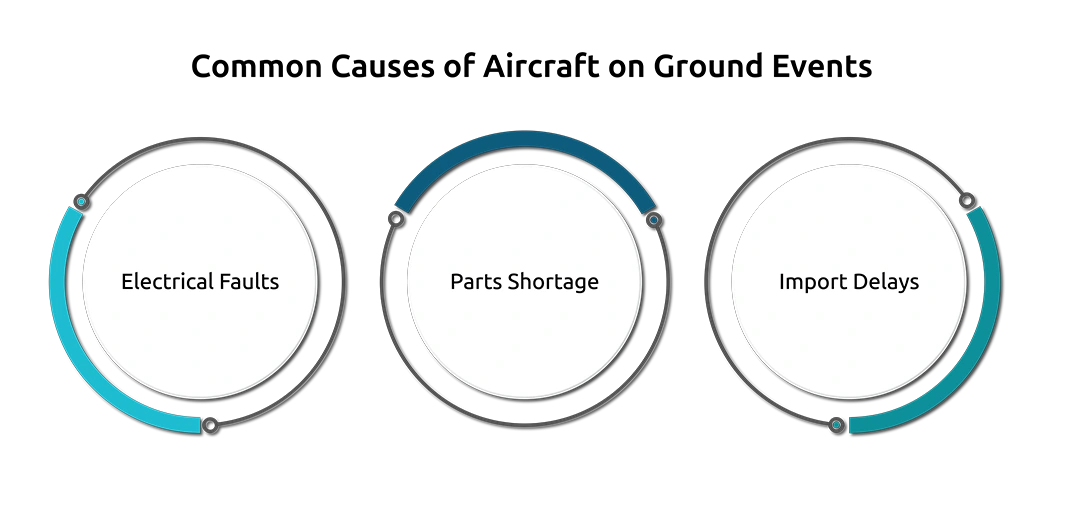
When an aircraft cannot continue to travel because of technical issues, missing parts, or required repairs, this is known as an aircraft on ground (AOG) condition. Flight schedules may be affected by these problems as well as aircraft maintenance delays. Engine, electrical, and avionics issues may require quick fixes. When important parts are lacking at the airport or a nearby warehouse, shortages of aircraft spare parts can also cause repairs to be delayed. Parts from other countries might need to be imported by airlines.
Customs checks, missing documents, & shipping delays can all delay the delivery of airplane parts. An aircraft may remain grounded longer due to these issues with the aviation supply chain. Maintenance services can reduce delays and receive the parts they require more quickly with proper planning, correct documents, & quick emergency aircraft parts delivery.
How Airlines Are Reducing Aircraft Ground Time in 2026
Airlines use new technology, quicker shipment, & improved planning to reduce down on aircraft ground time. These techniques help them to swiftly secure the required parts and safely repair aircraft to process.
Using AOG Air Freight for Urgent Parts Delivery: Fast AOG shipping is used by airlines to transfer important aircraft parts between countries. Delivery delays can be reduced by using different routes and priority air freight.
Keeping Critical Aircraft Spare Parts Ready: Important spare parts are stored by airlines at local warehouses or on demand. Effective management of aviation spare parts allows teams to locate products fast & avoid long delays.
Using Real-Time Shipment Tracking: Airlines can track the location of their shipments and detect delays early with the help of real-time cargo tracking. When required, teams may choose other routes or modes of transport.
Improving Coordination Between Airlines and MRO Teams: To plan for repairs and part delivery, airlines work with suppliers, logistics companies, & Maintenance, Repair, and Overhaul (MRO) teams. Companies can handle aircraft servicing more efficiently and avoid delays with improved communication.
Using Predictive Maintenance to Prevent AOG Events: Aviation data is used in predictive aviation repair to find possible problems early if possible. This makes it easier for airlines to plan for service and place parts orders before an issue results in unexpected delays.
The Role of Customs Clearance in AOG Logistics
When shipping aircraft parts between countries, customs clearance is an important part of AOG logistics. To avoid delays, correct records and careful planning are required when exporting aircraft parts internationally. Customs officials use commercial invoices, packing lists, part codes, serial numbers, & other documents required to verify the shipment.
AOG import documents are required to be correct and complete. Avoiding issues during aircraft customs clearance can be done by properly classifying products and checking import regulations and permits before. Aviation logistics compliance is further supported by careful planning, which may speed urgent customs clearance.
Aircraft parts must arrive at the correct airport or Service, Repair and Rebuild (MRO) facility following customs clearance. Working effectively with delivery teams, maintenance staff, & aviation staff makes sure that the parts reach at their final location on time. These steps improve quicker delivery of aviation parts and reduce delays.
How to Build a Faster and More Reliable AOG Logistics Plan
To handle AOG issues and reduce aircraft ground time, airlines require a well-organized plan. When an aircraft requires urgent repairs, teams can respond quickly with the support of efficient AOG response planning.
Important spare parts should be kept on demand, and airlines must keep in touch with logistics and suppliers. Before delivering parts to another country, they should prepare shipping documents in advance and review customs rules. This reduces the supply chain delays for aviation parts.
Teams can identify delays and switch routes when required with the use of shipment tracking. Backup transport methods should be part of any emergency shipping plan. In order to make sure that parts are delivered to the right place, airlines should also work with maintenance teams. Efficient aviation logistics management improves airline operational efficiency, reduces delays, and controls extra costs.
Conclusion
Airlines can avoid long delays and reduce down on aircraft ground time with efficient AOG logistics. Quick delivery of aircraft parts, easily available spare parts, real-time tracking, and reliable documents promote more efficient maintenance control for groups. Improved airline, supplier, and logistics supplier interaction also helps in timely delivery of parts. But before an aircraft can be put again into service, it requires all required maintenance and safety checks.
Did you know
Global air cargo demand grew 8.5% year-on-year in June 2026, with international operations up 9.6%. North American carriers led all regions at 13.1% growth.
FAQ
How does customs clearance affect AOG shipments?
Missing documents, incorrect product details, or import checks can delay aircraft parts. Proper paperwork helps avoid preventable delays.
How does real-time tracking help with AOG logistics?
Real-time tracking shows where aircraft parts are during transport. It helps teams spot delays early and plan another delivery option if needed.
Which transport methods are used for urgent AOG shipments?
Air freight, express courier services, onboard couriers, and charter services may be used depending on the part, delivery deadline, route, and availability.
What documents are needed for international AOG parts shipping?
Common documents include a commercial invoice, packing list, part details, and transport documents. Additional permits or certificates may be needed depending on the part and destination.
How can airlines reduce delays when aircraft parts cross borders?
Airlines can check import rules, prepare accurate documents, confirm part details, and plan customs clearance before shipping to reduce avoidable delays.