In 2026, freight between Asia & Europe will face transformation. Organizations are closely verifying their shipping plans, shipping companies are changing their transport plans, & ship capacity is being reallocated. Cargo movement between Asia and Europe is being impacted by changes in the Red Sea, vessel availability, port conditions, & changing trade trends.
Why Asia-Europe Shipping Routes Are Changing
The Suez Canal has long been an important part of the Asia-Europe trade route since it provides a relatively direct maritime link between Asia and Europe.
However, safety worries in the Red Sea have affected vessel operations, causing some carriers to take longer routes around the Cape of Good Hope.
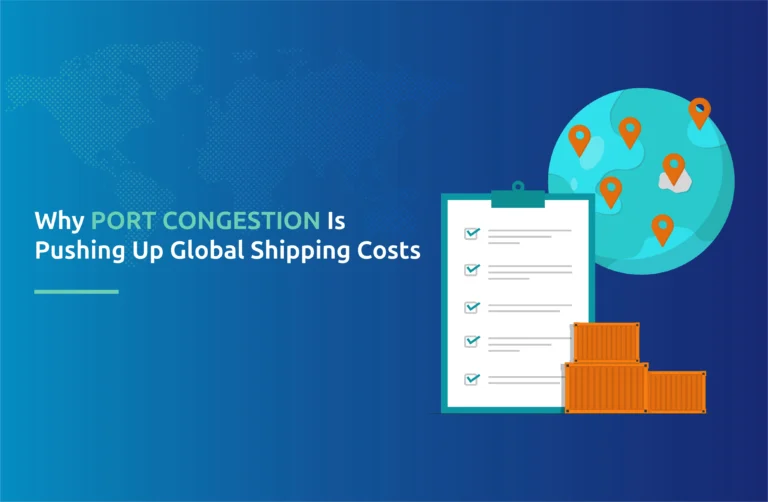
A lengthier trip may result in increased sailing time, storage requirements, and operating expenses. When ships reach significant ports, it can change. When several ships come closer together after schedule changes, ports may experience brief pressure on berths, equipment, vehicles, and cargo handling.
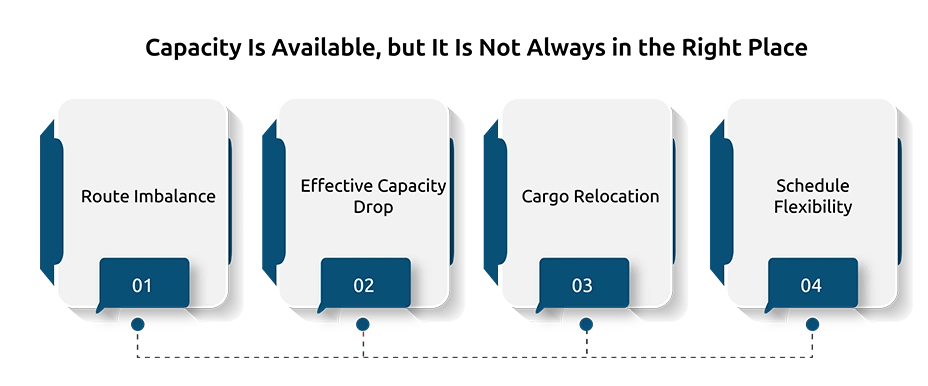
Capacity Is Available, but It Is Not Always in the Right Place
The international container shipping fleet has continued to develop, but additional vessels do not automatically solve capacity problems on every route.
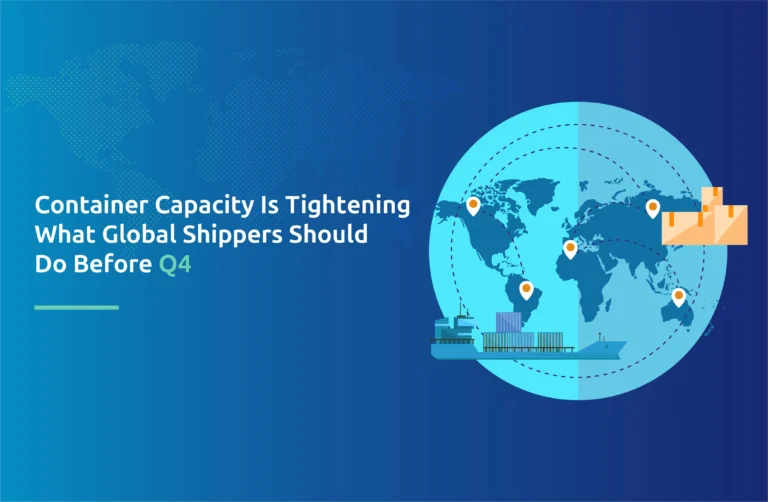
Shipping lines decide where vessels are deployed based on demand, network design, operating costs, & schedule needs. Capacity can therefore become tighter on a particular Asia-Europe service even when overall global storage capacity is increasing.
Space availability may also be impacted by blank sailings. The effective capacity available to shippers on that departure decreases when a carrier cancels a scheduled voyage. Businesses might have to relocate cargo to a different departure, carrier, or route if multiple sailings are modified simultaneously.
For businesses with set delivery needs, booking flexibility becomes more crucial.
Red Sea Conditions Continue to Influence Planning
The Red Sea remains an important factor in Asia-Europe shipping decisions. When carriers avoid the Suez route, vessels travelling around southern Africa cover a longer distance.
For importers, the effect can extend beyond ocean transportation. A longer trip may affect product planning, warehouse receiving schedules, production timelines, and final-mile delivery.
Because a delayed shipment can impact an installation or deployment timeline, organizations importing servers, networking hardware, industrial machinery, spare parts, technology equipment, or other time-sensitive commodities may need to make additional preparations.
The carrier, service, origin, destination, routing choice, and circumstances at the time of shipment all affect the precise outcome.
What This Means for Freight Rates
Freight rates on the Asia-Europe route can change quickly when available storage, demand, & routing conditions change.
Longer travel time can cause operating costs for carriers because trips spend more time at sea & consume more fuel. At the same time, changes in trip schedules can affect the amount of usable storage available for individual departures.
Higher storage capacity does not, however, always translate into cheaper freight costs on all routes. Carrier network decisions, equipment availability, supply and demand balance, and other operational considerations all affect rates.
Therefore, rather of concentrating solely on the headline ocean freight rate, businesses should compare the entire cost of shipping.
How Importers Can handle Asia-Europe Freight Changes
Mnagaing earlier can give importers more options when capacity becomes strict. Organizations should review cargo-ready dates, booking windows, trip schedules, port cut-offs, & expected delivery dates before releasing shipments.
It is also useful to have a similar routing plan. For example, a company may compare different ports, carriers, trip schedules, or multimodal shipping options when the preferred service is unavailable.
However, the cost-friendly ocean route is not always the lowest-cost option overall. A longer transit time or additional management may increase warehousing, inland transportation, inventory, or project costs.
Importers should also prepare customs paperwork early. Commercial invoices, packing lists, transport documents, HS classification, permits, & importer details should be reviewed before cargo reaches the location. Where a company cannot act as the importer in the destination country, the appropriate Importer of Record or customs representation arrangement should also be confirmed in advance.
Why Routing Flexibility Matters in 2026
Flexibility is becoming increasingly important in Asia-Europe freight management. When timetables change, a shipping strategy centered on a single carrier, port, or voyage may become challenging.
By controlling carrier timetables, monitoring comparable route choices, assessing container availability, and keeping in regular contact with suppliers and freight forwarders, businesses can reduce some of this risk.
For high-value or critical equipment, organization should also consider the whole logistics chain. Ocean transportation is only one part of the journey. Export clearance, transshipment, destination customs, inland transportation, warehousing, & final delivery can all affect the actual arrival date.
Conclusion
Shipping routes, storage development, capacity availability, & operational conditions are all using Asia-Europe freight in 2026. Even with the increased capacity of the international maritime fleet, blank sailings, network modifications, & longer trips can still cut the useful capacity on a particular route.
Flexible planning is becoming important for importers and exporters. Organizations can react when shipping conditions change by reviewing booking schedules in advance, completing customs documents, taking into account similar routes, & computing the total landing cost.
Without of depending on a typical shipping time, it is sensible to schedule each shipment around its cargo-ready date, necessary delivery date, routing alternatives, customs laws, & final location.
Did you know?
The Transpacific market was firmer. Shanghai-to-Los Angeles rates rose 2% to $7,838 per 40-foot container, while Shanghai-to-New York held roughly steady at $10,373.
FAQs
What is affecting Asia-Europe freight in 2026?
Asia-Europe freight is being affected by Red Sea routing changes, vessel deployment, blank sailings, port conditions, container availability, and changing trade demand.
Why are some shipping lines avoiding the Suez Canal?
Security concerns in the Red Sea have led some carriers to use longer routes around the Cape of Good Hope, which can increase sailing distances and transit times.
Is container capacity available on Asia-Europe routes?
Overall capacity may be available, but usable capacity can vary by carrier, route, sailing schedule, and destination. Blank sailings can also reduce space on specific departures.
How can businesses manage changes in Asia-Europe shipping?
Businesses can book earlier, monitor carrier schedules, consider alternative routes, prepare customs documents in advance, and compare the full landed cost of different shipping options.
Can routing changes increase shipping costs?
Yes. Longer routes can increase fuel and operating costs, while changes in capacity, demand, equipment availability, and carrier schedules can also affect freight rates.