Introduction
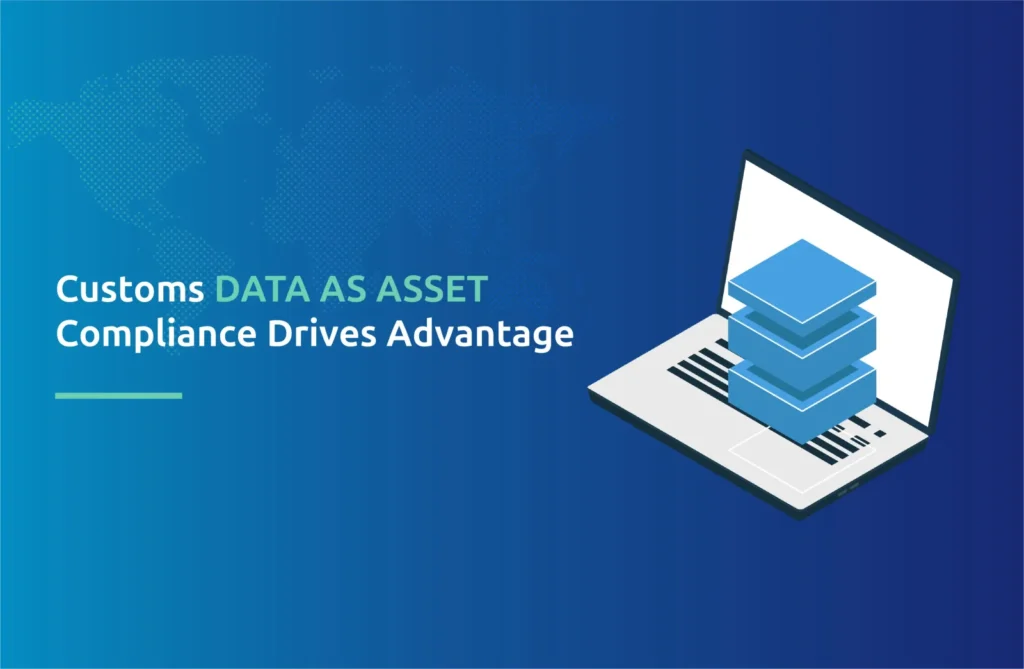
Trade data is no longer just a record of what a company brought in, where it came from, or how much duty it paid. For global importers, it is becoming a valuable source of trade insights. Every customs declaration includes information about products, suppliers, origins, classifications, values, duties, Incoterms, brokers, ports or shipment patterns. When companies capture and check this information regularly, they can use it to improve compliance, control costs, and make better supply chain decisions.
The shift is specifically essential as customs approvals increasingly use digital systems, automated controls and data analytics to identify unusual transactions and compliance risks. India Customs, for example, has developed data analytics capabilities to support risk management & decision-making, while the World Customs Organization has highlighted the importance of data in enhancing customs operations. For importers, this means the quality of their own trade data can affect how efficiently they respond to audits, changing rules & businesses pressure
Why Customs Data Matters More Than Ever
Traditional customs management often focuses on completing declarations and getting shipments released. That approach can overlook the information generated by every transaction. A company bringing in the same products across several countries may have years of valuable data showing differences in tariff classification, customs value, duty rates, origin treatment, broker practices or clearance performance. Without structured analysis, these patterns remain hidden inside ERP systems, broker portals, spreadsheets or customs documents.
The business value appears when companies move from simply storing customs records to understanding them. Customs data can reveal where duties are unnecessarily high, where classifications are variable, where preferential origin may not be used correctly & where certain suppliers or brokers create recurring issues. Deloitte describes customs data analytics as a way to gain clarity into a company’s global customs profile, identify cost-saving opportunities and address compliance weaknesses.
Turning Compliance Records Into Commercial Intelligence
Customs declarations can offer valuable business intelligence when connect with buying, logistics, finance and supplier data. This helps importers compare what was purchased with what was declared and identify issues affecting duty, valuation or origin.
Examining customs records can also show irregular HS codes, different landed costs or suppliers trends This information can support better sourcing decisions, cost control or compliance management.
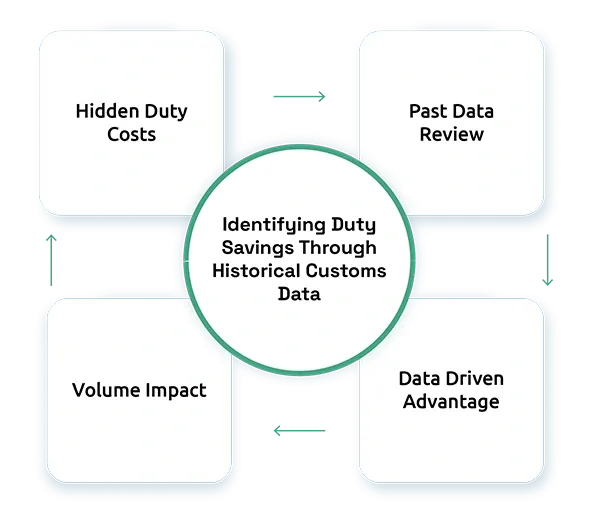
Identifying Duty Savings Through Historical Customs Data
Historical customs data can help importers identify possible duty savings by checking past classifications, special arrangements, duty reduction or customs processes. It can reveal shipments where special treatment was missed or products were repeatedly declared under higher-duty classifications.
Even small duty differences can become significant across large shipment volumes. Data analysis can therefore help identify potential overcharges, refund opportunities and ways to minimize landed costs while improving customs compliance.
Enhancing HS Classification With Data Patterns
HS classification is one of the most essential areas where historical customs data can become useful. Companies with large product portfolios often handle thousands of SKUs, making it difficult to maintain regular classifications across countries and business units. Differences may arise because products change, suppliers describe products differently, or local brokers apply different views.
A data-led classification review can compare product descriptions, previous declarations, tariff codes, duty rates and countries of import. Repeated inconsistencies can then be sent for expert review instead of requiring every transaction to be investigated manually. The objective is not to replace professional classification judgment but to use historical data to identify where that judgment is most needed. This can create a more controlled classification process while reducing repetitive manual reviews.
Using Customs Data to Strengthen Supplier Decisions
Customs information can also help buying teams understand the real cost or compliance profile of suppliers. A supplier offering a lower product price may not necessarily provide the lowest overall landed cost if its shipments generate higher duties, documentation problems, classification questions or repeated customs delays. Customs data can help companies compare suppliers using a broader view of import performance.
When supplier, origin, tariff classification, Incoterm, freight and duty information are analysed together, procurement teams can make decisions based on total import economics rather than purchase price alone. This is particularly useful when companies are assessing alternative sourcing countries. Changes in origin can affect tariff treatment, trade agreement approvals, regulatory requirements and customs risk, so historical customs data can provide an evidence base for checking different sourcing scenarios.
How Importers Can Build a Customs Data Strategy
A practical customs data strategy starts with understanding what information the company already has and where it is stored. The next stage is to standardise the most important data elements and connect them with financial and logistics information. Once the data is reliable, companies can establish dashboards and review processes around duty expenditure, classification, origin, valuation, supplier performance and broker activity.
The objective should not be to collect every possible data point without a business purpose. Instead, importers should focus on information that supports measurable decisions. A useful customs data programme should answer questions such as where the company is paying the most duty, which products carry the greatest compliance exposure, where preferential treatment may be available and which recurring issues are increasing clearance costs or delays.

How One Union Solutions Can Help
One Union Solutions supports businesses with country-specific Importer of Record Service or global trade compliance requirements across multiple markets. By helping manage classification, documentation, customs requirements and shipment coordination, we help companies maintain correct trade records, support smoother customs clearance or enhance compliance for global shipments.
Conclusion
Customs data is more than a record of past trade activities. It can show duty-saving opportunities, classification issues, supplier risks and repeated clearance problems. By linking customs data with sourcing, finance & logistics, importers can improve clarity, control landed costs & improve compliance. Better use of trade data also supports smarter sourcing, risk management or more informed business decisions. Ultimately, customs data can become a valuable goods that helps importers minimize costs or compete more efficiently.
Did You Know?
In 2025, CBIC assigned DGARM officers to process Passenger Name Record data, highlighting the growing use of customs data for risk-based management.
Frequently Asked Questions
How can customs data help importers minimize costs?
Customs data can identify high-duty products, classification issues or missed reduced rate . It can also highlight potential duty overpayments and savings opportunities.
Why is HS classification important?
HS codes determine customs duties and regulatory requirements. Historical data helps identify classification inconsistencies and improve accuracy.
Can customs data help with supplier selection?
Yes, it can compare suppliers based on duties, origin, classification and freight costs. This helps companies evaluate total landed cost and compliance risks.
What makes customs data useful for compliance?
Reliable data helps identify recurring issues in classification, valuation, origin and documentation. It allows importers to focus reviews on higher-risk transactions.
How can companies build a customs data strategy?
Companies can standardise key customs data and connect it with finance, procurement and logistics. This creates better visibility for compliance and business decisions.