Documents including commercial invoices, packing lists, certificates, customs declarations, product descriptions, and shipment records have been the primary source of information for international shipping. However, the border is evolving as corporations and governments call for improved supply-chain transparency, sustainability data, and product traceability.
A Digital Product Passport is a digital record managing information about a product &, depending on the regulatory framework, its materials, origin, environmental impact, repairability, durability, recycling potential, & other relevant characteristics. Instead of relying only on paperwork that travels with a shipment, authorities & supply-chain participants could access structured product information digitally.
What Is a Digital Product Passport?
The passport can connect information from different stages of a product’s life cycle, from raw materials & manufacturing to issue, use, repair, & end-of-life processing. The exact information needed depends on the product category & applicable regulations.
For importers, this could create a more detailed digital trail around the goods entering a market. Instead of customs and other authorities receiving only basic information about a shipment, product-level data could increasingly support compliance checks.
This does not mean that a DPP automatically replaces a customs declaration or commercial documents. Rather, it could become another layer of information that supports regulatory compliance & product verification.
From Customs Documents to Product Data
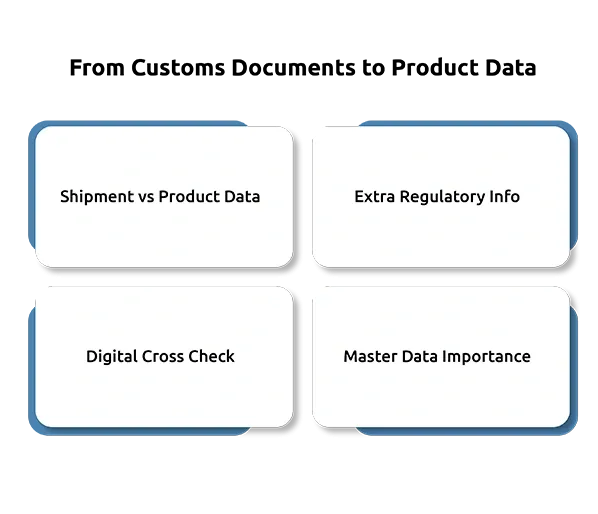
Traditional border processes often focus on shipment-level information. A customs authority may need to know what is being imported, its value, origin, classification, quantity, and destination. Product regulations can then require additional information or evidence.
Digital product data could make these processes more connected. Customs & regulatory authorities may increasingly use automated systems to compare information from different sources. Product information, customs declarations, certificates, & supply-chain records could potentially be cross-checked for consistency. This could make accurate master data increasingly important for importers. A mismatch between a product’s digital record and the information declared during import could create questions that require additional verification.
DPPs Could Change Supplier Onboarding
Digital Product Passports could also affect how companies select & handle overseas suppliers.
Today, an importer may request technical specifications, certificates, declarations, material information, & other compliance documents from a supplier. With more digital product needs, businesses may need to collect standardized product information much earlier.
Before purchasing or shipping a product, companies may need to determine whether the supplier can provide the information needed for the destination market. This could become mainly important for companies importing products from multiple manufacturers or sourcing from several countries.
Better Traceability, but More Responsibility
One of the biggest potential benefits of DPPs is traceability. A digital record can help businesses understand where products come from and provide greater visibility into their composition and life cycle. This could support sustainability reporting, repair, reuse, recycling, product compliance, and supply-chain management.
Companies will need to ensure that product information is accurate, current, & connected to the correct product or model. Data ownership, cybersecurity, interoperability, supplier cooperation, & access rights will also matter.
What Importers Should Prepare For
Businesses that import products internationally should start treating product data as part of trade compliance rather than as a separate sustainability exercise.
Companies can begin by identifying the products they import and monitoring whether those product categories are becoming subject to digital product information requirements. They should also review whether suppliers can provide consistent information about materials, origin, specifications, environmental characteristics, and other relevant attributes.
Importers should also look into how product information is handled by their internal systems. Inconsistencies can be challenging to handle if product data is kept apart across the procurement, logistics, customs, compliance, and sustainability teams. Future demands for digital compliance may be easier to manage if these data sources are connected.
The Border Is Becoming More Data-Driven
Digital Product Passports will not eliminate customs procedures, duties, import declarations, or regulatory verification. Their role will depend on the regulations introduced for each product category and market.
However, they point toward a broader change in global trade: the information attached to a product may become nearly as important as the physical product crossing the border.
For global importers, this means preparation should begin before new requirements become mandatory. Businesses that manage correct product data, work closely with suppliers, & connect product information with their customs & compliance processes will be better positioned for increasingly digital borders.
The future of importing may not simply be about shipping goods from one country to another. It may increasingly be about moving trusted, verifiable product data alongside those goods.

Conclusion
Digital Product Passports could mark an important change in how businesses approach global importing. As product laws become more data-driven, importers may need to handle not only customs documents & physical shipments but also accurate, traceable product information. Companies that prepare their product data, strengthen supplier communication, & connect compliance information with import processes will be better positioned for these changes. The future border may therefore be defined not just by the goods crossing it, but by the trusted digital information that travels with them.
Did you know?
The EU’s Digital Product Passport system is already moving into implementation. The European Commission’s DPP Registry became operational on 20 July 2026, while Digital Product Passports for certain EV, light-transport, and industrial batteries will become mandatory from 18 February 2027.
FAQ
1. What is a Digital Product Passport?
A Digital Product Passport (DPP) is a digital record containing information about a product, such as its materials, origin, sustainability characteristics, durability, repairability, and recycling information. The required data varies depending on the product and applicable regulations.
2. Will Digital Product Passports replace customs declarations?
No. A Digital Product Passport is not a replacement for customs declarations, commercial invoices, or other import documents. Instead, it can provide additional product-level information that may support regulatory compliance, traceability, and verification during the import process.
3. How could DPPs affect companies importing products into the EU?
Companies importing products into the EU may need to provide or access specific product information depending on the applicable product regulations. Importers may therefore need stronger supplier data, accurate product records, and processes for verifying required information before goods are shipped.
4. What information could a Digital Product Passport contain?
Depending on the product category and regulatory requirements, a DPP could contain information about materials, components, manufacturing, product origin, environmental performance, durability, repairability, recycling, and other product characteristics. Not every product will require the same information.
5. Why should importers prepare for Digital Product Passports now?
Preparing early can help importers identify gaps in supplier information, improve product data accuracy, and connect compliance information with procurement and customs processes. As digital product requirements expand, businesses with reliable and traceable product data may find it easier to adapt to new import regulations.