Overview
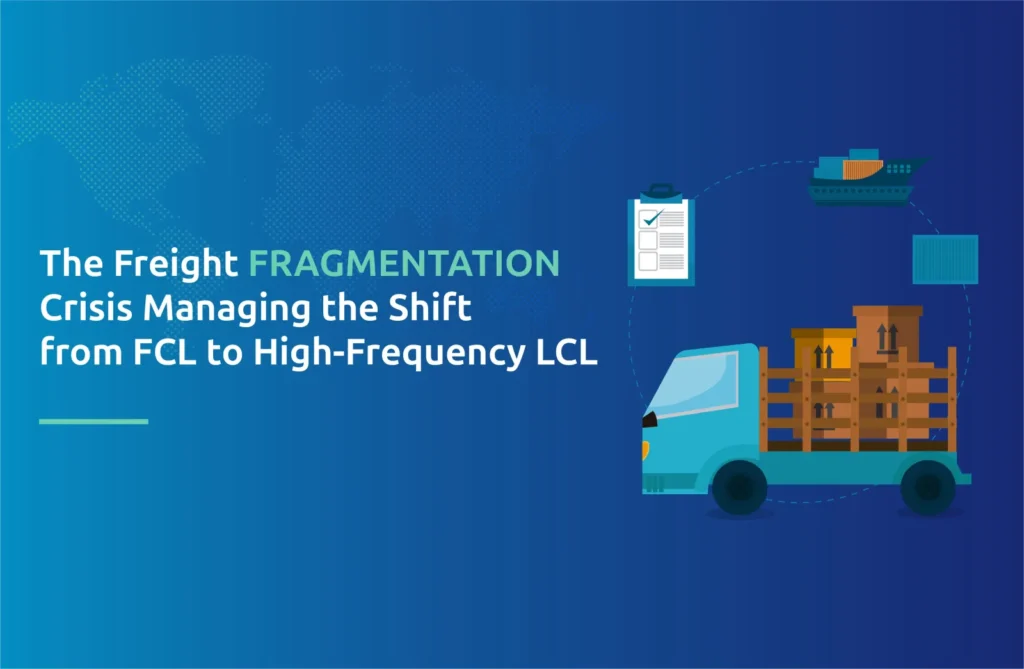
Global freight networks are changing from standard Full Container Load FCL shipping to flexible Less than Container Load LCL solutions. Organizations are adopting regular smaller shipments to improve supply chain flexibility, minimize stock costs, or respond faster to market changes
However, LCL shipping increases the need for correct documentation, customs compliance, & shipment management. Importer of Record IOR services help businesses manage these needs or support smooth global imports.
Why Are Businesses Moving Away From Traditional FCL Shipping?
Full Container Load FCL shipping has been an ideal method for global trade because it allows companies to transport large quantities of goods in dedicated containers. It provides better control over shipments & is often cost-effective for high-volume cargo.
However, global trade conditions have changed. Many companies no longer require large container shipments due to changing customer demand, shorter product cycles, & the need to maintain lower stock levels. Holding excess inventory can increase storage costs or reduce supply chain efficiency.
Supply chain delays, port delays, shipping delays, or changing trade rules have also prompted businesses to adopt more flexible freight planning. Instead of waiting until enough products fill a complete container, companies are increasingly using LCL shipping to send smaller shipments more frequently.
This approach helps businesses maintain product access while minimizing dependency on large-volume shipping models.
What Is High-Frequency LCL Shipping?
Regular LCL shipping allows businesses to transport smaller shipments by sharing container space with other cargo. It provides flexibility for companies importing equipment, components, & products in changing quantities. Industries like IT, telecom, medical devices, or automotive benefit from this model due to division shipment needs. However, proper documentation, product details, & customs compliance are required to avoid delays.
How Freight Fragmentation Is Changing Global Supply Chains
Freight division is creating a more independent approach to global logistics.
Companies are no longer relying on one transport method or one supply location. Rather, they are building flexible supply chain networks that can adjust to shifting market conditions.
Businesses are growing sourcing locations, working with multiple suppliers, & using different freight solutions based on shipment requirements. This planning helps companies improve supply chain stability & maintain operations during sudden delays.
However, handling multiple shipments across different countries creates additional duties.
Without proper import compliance support, smaller & frequent shipments can create extra operational challenges
Challenges When Managing High-Frequency LCL Imports
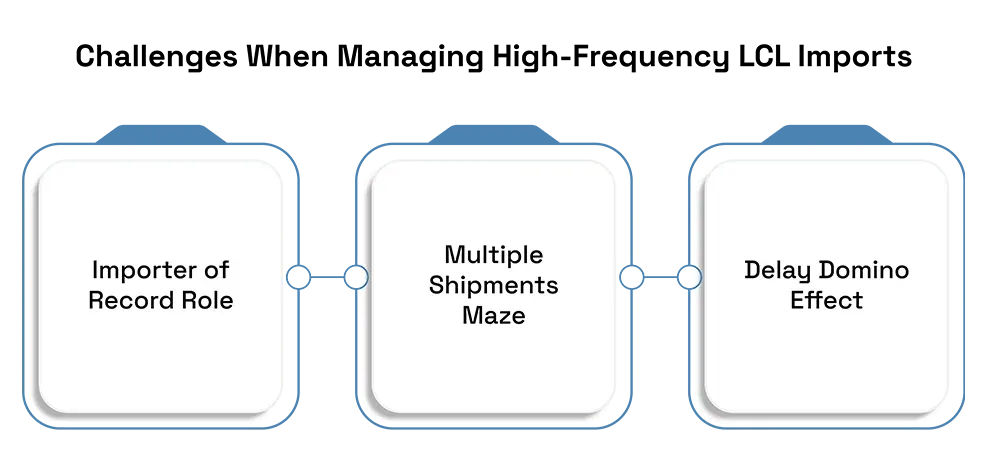
Although LCL shipping provides scalability, it also provides several working challenges.
Companies importing technology products, servers, networking equipment, medical devices, or industrial machinery may also need product-based approvals before goods can enter a country.
Each cargo must meet destination country rules. Including customs rules, product documentation, & import approvals. Inaccurate commercial invoices, incorrect HS code classification, or incomplete customs documents can result in shipment delays or additional costs.
Handling multiple shipments without local expertise can become complicated, especially for companies entering new markets without a created legal entity. This is where an expert importer of record provider can support businesses by handling import duties & compliance requirements.
The Role of Importer of Record Services in Freight Fragmentation
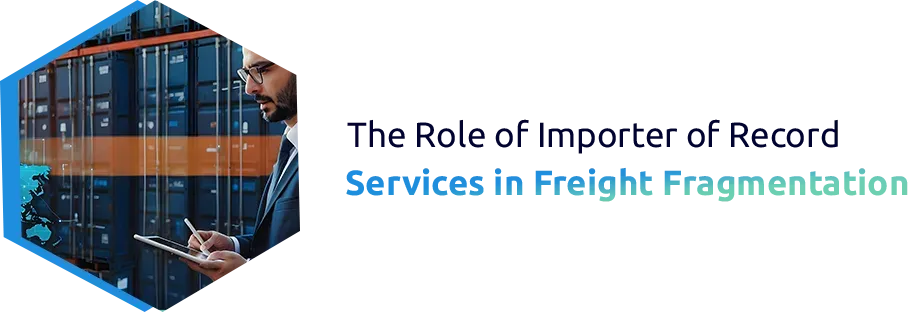
As freight networks become more complex, Importer of Record IOR services play an essential role in simplifying global imports.
IOR services help businesses manage customs declarations, import documentation, duties, taxes, or regulatory requirements. This allows companies to import equipment legally without creating a local entity in every country.
For businesses using frequent LCL shipping, IOR support becomes especially valuable because frequent shipments require stable compliance management. An experienced IOR service provider helps reduce customs risks or make sure shipments move efficiently across borders.
Companies importing IT equipment, data center hardware, telecom systems, medical equipment, technology, & industrial equipment can benefit from reliable IOR logistics support.
How One Union Solutions Supports Global Freight Operations
One Union Solutions provides global importer of record services to help businesses manage global shipments across different markets. Our IOR solutions support companies with customs compliance, documentation management, duty handling, or import requirements.
Whether businesses are shipping full containers or handling frequent LCL shipments, our team helps simplify cross-border imports & reduce working challenges.
With experience supporting IT, telecom, medical equipment, automotive, aviation, or technology industries, One Union Solutions helps companies import equipment without creating sudden delays or compliance risks.
By partnering with a trusted importer of record company, businesses can focus on growth while make sure their shipments meet local rules.
Conclusion
The change from FCL to frequent LCL shipping shows the shifting needs of modern global supply chains. Organizations are looking for greater flexibility, lower product costs, or faster shipment cycles to remain efficient.
However, handling frequent global shipments requires strong customs knowledge, correct documentation, & efficient import compliance processes. Importer of Record services help businesses overcome these challenges by handling customs duties, & cross-border import processes.
Did You Know?
Around 80% of global merchandise trade by volume is transported by sea, making efficient customs clearance and import compliance essential for international supply chains.
Frequently Asked Questions?
How does an Importer of Record manage customs clearance?
An Importer of Record handle the customs clearance process by preparing the necessary import documents, make sure all information is complete & accurate, calculating applicable duties or taxes, and working with customs agencies. By managing these duties, the IOR helps goods clear customs effectively while following with the destination country’s import rules.
What happens if a company imports goods without an Importer of Record?
Importing goods without an IOR can cause customs delays, compliance problems, incorrect duty or tax payments, and even refusal of entry by customs officials. Incorrect documentation may also create extra customs checks,& financial penalties, causing sudden delays to the supply chain.
Is an Importer of Record required for global shipments?
Many countries require an Importer of Record for commercial imports, specifically when transporting regulated products such as IT equipment, medical devices, telecom hardware, & industrial machinery. The IOR is responsible for make sure compliance with local customs & import rules.
What is the difference between an Importer of Record and a customs broker?
An Importer of Record is legally responsible for the imported goods & makes sure compliance with all import rules, involves duties, taxes, & documentation. A customs broker, on the other side, helps with customs filing, paperwork, & working with customs agencies but does not generally handle legal duties for the shipment.
How long does the Importer of Record process take?
The time required for IOR service processing depends on factors such as the destination country, product category, documentation accuracy, customs processes, or any required regulatory permits. Having complete documentation in place can help reduce delays or speed up customs clearance.