Introduction
The World Trade Organization (WTO) is a global organization that supports cross-border trade by providing standard international trade regulations. It works to make global trading balanced, transparent, and reliable by supporting trade deals and resolving trade issues between member countries. Increasing trade problems, changing tariff policies, supply chain problems, and the fast growth of digital trade are all adding to increased risk in global trade. These issues make it difficult for businesses to plan imports, exports, and cross-border operations. Many experts believe that WTO changes are now required because some trade regulations were developed many years ago and do not properly handle today’s global economy. Updating the WTO can improve trade rules, improve the dispute resolution system, and benefit both developed and developing countries.
What Is the WTO and Why Does It Matter?
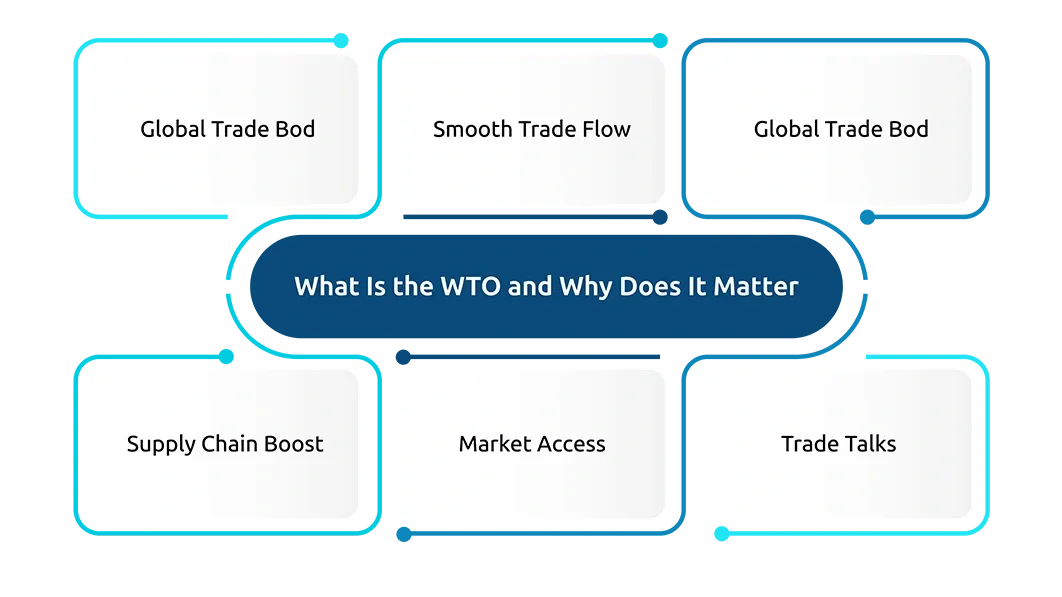
Every day, multiple products are shipped between countries through international trade. The World Trade Organization (WTO) supports this by developing common trade regulations that member countries agree to follow. These standards help to the smooth, fair, and predictable process of global trade. The World Trade Organization is trying to reduce unwanted trade challenges and asks countries to collaborate rather than initiate trade difficulties. It also provides a place for members to discuss trade difficulties and work out effective solutions using traditional techniques. The WTO promotes clear and consistent trade rules, which helps businesses import and export goods with greater confidence. Better trade processes can benefit supply chains and make it easier for businesses to grow into global markets. The WTO requires countries to improve their economic collaboration and get entry into global markets. A stable trading system benefits both developed and emerging countries by increasing chances for growth through global trade.
Why Is the WTO Facing Challenges and Why Are Reforms Needed Today?
The way countries trade is changing rapidly in the last few years, but many WTO rules have not changed as quickly. This has produced new challenges to global business, increasing the need for WTO change. A major issue is an increase in global business issues. At the same time, some countries have implemented new trade restrictions and more restrictive rules to help specific industries. These steps have increased global trade issues and made cross-border trade more risky.
Another difficulty is that the WTO usually takes a long time to make key decisions because many member countries must agree before changes can be applied. This slow process makes it difficult to respond quickly to new trade difficulties, increasing the current WTO problem. Today’s global economy is also very different from when many WTO rules were first developed. The growth of the digital economy, shifting supply chains, new technology, and weather related trade policies have resulted in new trade conditions that require current and updated rules. WTO reforms may help develop a more suitable trading system for today’s world by supporting trade changes, stronger global trade control, and improved international trade planning.
WTO Reforms and the Future of Developing Countries
Multiple developing nations have asked for WTO reforms that will make sure that all countries have equal chances in global business. Stronger rules and regulations may support inclusive trade & help the global south connect completely to the global economy. Better trade reforms can increase trade efficiency by reducing trade processes and helping countries in improving their trade systems. This can make it easier for local companies to grow into new global markets. Small and developing countries can face strong economies on better standards. because to balanced competition. As trade grows, countries can attract more businesses, increase exports, & improve economic growth. These changes may also create new chances for workers and businesses in the future.

Can WTO Reforms Support Digital Trade and the Future of Global Trade?
Digital trade is growing as more companies use e-commerce and artificial intelligence (AI) in global commerce. This requires updated WTO rules that support cross-border data flows, digital services, & cybersecurity. Strong WTO changes can help to improve the global trading system and made sure more secure future for global trade. Clear laws can help businesses trade more securely, though delayed reforms may continue to cause problems for countries and large companies.
Conclusion
WTO reforms can help make global trade easier, more equitable, and more reliable. Better trade laws can help to reduce risk & regulate global trade. They can also help businesses trade globally. However, these changes will only be effective if WTO member countries work & agree on common goals. Working together can result in a more efficient trading system in the future.
Did you know
The World Trade Organization (WTO) has 166 member countries, and together they account for about 98% of global trade. This means most international trade follows WTO rules, helping countries trade in a more predictable way.
FAQ
Can WTO reforms help build a stronger future for global trade?
Yes. Updated rules can support global trade stability, encourage investment, & create a more reliable trading system.
Which role does digital trade play in WTO reforms?
Digital trade is becoming more important, so new WTO rules are needed to support e-commerce, data flows, & digital business.
In what ways can WTO reforms support developing countries?
They can improve market access, support equal competition, improve trade capacity, & create more trade opportunities.
Which future challenges should WTO reforms be prepared for?
They should address digital trade, new technologies, global trade changes, cybersecurity, & future trade problems.
Which changes in global trade have increased the need for WTO reforms?
Increasing of digital trade, new technologies, changing supply chains, & global trade tensions have increased the need for reforms.