
Overview
The COVID-19 pandemic brought an unprecedented disruption to global trade, significantly affecting freight transportation services across the world. From sudden lockdowns to labor shortages and port congestions, the entire supply chain faced challenges that reshaped how goods are moved internationally. What initially started as a temporary disruption soon turned into a long-term transformation for businesses involved in import-export operations.
For industries such as IT, aviation, medical equipment, and automotive, the impact was even more pronounced. These sectors depend heavily on timely delivery and efficient transportation networks, making them vulnerable to delays and restrictions. As a result, companies were forced to rethink their strategies and build more resilient supply chains.
Freight Transportation Services
Freight transportation services are really important for trade. They help move goods by air, sea, rail and road. This means that products get to where they need to go and, on time. Freight transportation services also have to follow rules.
The pandemic made international freight services really tough. This was because people wanted to send amounts of stuff at different times and there were not enough people to help. For example, air freight had a lot of problems. Many air flights were not flying, so there was no room for cargo. On the other hand ocean freight had problems too. Ships were waiting in line for a time at ports and there were not enough containers to carry it. The pandemic affected international freight services, like air freight and ocean freight.
To deal with these problems businesses had to use organized steps like getting things through customs and making sure all the paperwork is correct. The job of the importer of record service and the exporter of record service became very important to make sure everything is done correctly and to avoid delays in getting things from one place to another. The importer of record service and the exporter of record service also had to use codes, like the HS code and the HTS harmonized tariff schedule to keep things consistent and reduce mistakes when sending things across borders.
Impact of the COVID-19 Pandemic
The pandemic had an impact on freight transportation services. It affected them away and it is still affecting them today. When the pandemic first started factories stopped making products. That caused problems with getting goods to people. At the time people started purchasing a lot of products all at once which meant freight transportation services had to deal with a huge increase in demand. This was a problem because it meant that freight transportation services had a lot of work to do but they did not have enough resources to do it. As a result it cost money to transport goods and it took longer to get them to end source. The pandemic really messed up freight transportation services.
The freight rates went up a lot. This happened because there were no trucks and a lot of people needed things shipped. So the cost of shipping got very high. This was a problem for businesses in every field. For equipment, where you really need to get it there on time it showed just how important it is to plan the shipping of medical equipment or aviation very carefully. The rise in freight rates was an issue for the shipping of medical equipment.
Another big impact was how fast companies started using tools. Companies began using the software to follow import and export rules to handle complicated regulations and make sure their paperwork was correct. This change helped a lot with getting goods through customs because automation made the process smoother and quicker.
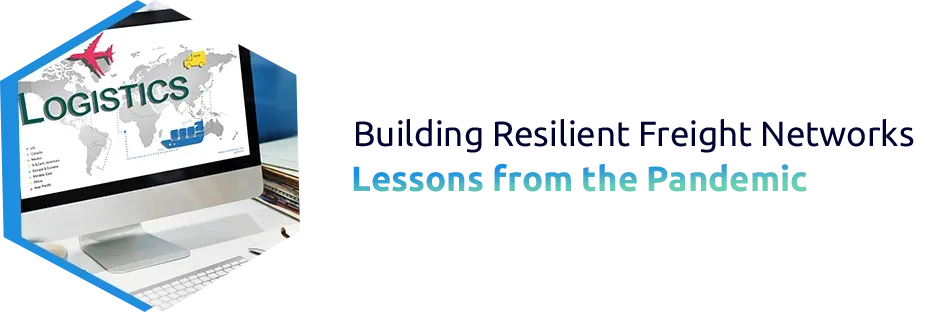
Building Resilient Freight Networks: Lessons from the Pandemic
The COVID-19 pandemic has taught us a lesson. We need to be able to handle problems as they come up in freight transportation services. Companies have learned that the old way of doing things is not good enough anymore. The world is changing fast and freight transportation services need to be able to change with it. The COVID-19 pandemic has shown us that freight transportation services need to be strong and able to keep going even when things get tough.
Supply chain optimization is really important to businesses now. They want to be flexible and able to adapt to changes. This means they are trying ways to move their goods like using trucks, trains and ships. They are also looking for routes to take and working with many different suppliers. For instance some companies are using a mix of air freight and sea freight to get a balance between cost and speed. Supply chain optimization is about finding the best way to get things done and companies are focusing on supply chain optimization to make it happen.
Collaboration is really important now. Freight forwarders and customs brokers and service providers are working together. They want to make sure everything runs smoothly. People are asking things like can a customs broker handle the paperwork, for both imports and exports. This shows that people want things to be easier and they want solutions that bring everything together. Freight forwarders and customs brokers are looking for ways to make this happen.
Conclusion
The COVID-19 pandemic has really changed the way freight transportation services work. What started as a problem has actually made freight transportation services better in the long run. We are seeing improvements in how things get done, the use of technology and the ability of the supply chain to deal with problems. The COVID-19 pandemic has brought about these changes to freight transportation services. For import-export businesses operating in IT, aviation, medical, and automotive sectors, these changes present both challenges and opportunities. By leveraging international freight services, enhancing compliance processes, and focusing on supply chain optimization, companies can navigate uncertainties more effectively.
The way things are bought and sold around the world is changing. What we learned from the pandemic will help us make freight transportation services better. We need to make freight transportation services strong and able to change. This will help freight transportation services deal with any problems that come up in the future. Freight transportation services have to be ready, for anything.
DID YOU KNOW
“Beginning in early 2020, the COVID-19 pandemic disrupted maritime shipping and air freight services, leading to canceled sailings and flights, port delays, and container shortages.”
FAQs
How did COVID-19 disrupt freight transportation globally?
It caused lockdowns, labor shortages, and port congestion, leading to delays and higher shipping costs worldwide.
Why did freight rates increase during the pandemic?
Limited capacity, container shortages, and sudden demand spikes pushed transportation costs to record levels.
What role did technology play during the crisis?
Digital tools improved visibility, streamlined documentation, and helped businesses manage complex regulations efficiently.
How did businesses adapt their supply chains post-pandemic?
They diversified suppliers, increased inventory buffers, and adopted more flexible transportation strategies.
What is the biggest lesson from the pandemic for freight services?
Building resilient, adaptable, and technology-driven supply chains is essential for handling future disruptions.