Insight
Medical equipment is one of the sectors most severely impacted by the COVID-19 pandemic, which has affected worldwide industries. Public health organizations, businesses, & governments struggled to import medical devices, forcing them to revamp the pandemic preparedness methods. Medical equipment imports experienced major changes in supply chain dynamics and essential supply needs for ventilators and personal protective equipment. This post examines the effects of pandemic preparedness on the medical equipment import sector and its predicted trajectory.
The crisis exposed major gaps in global supply chains, including heavy reliance on a few manufacturing regions and slow regulatory processes during emergencies. To address these challenges, countries began strengthening local production, diversifying suppliers, and speeding up approval systems for critical equipment. Governments also invested more in strategic stockpiles to avoid shortages during future outbreaks. Digital tools and real-time tracking became essential for managing urgent shipments and ensuring transparency. These changes are shaping a more resilient and responsive medical equipment import framework for the future.
The Surge in Demand for Medical Equipment
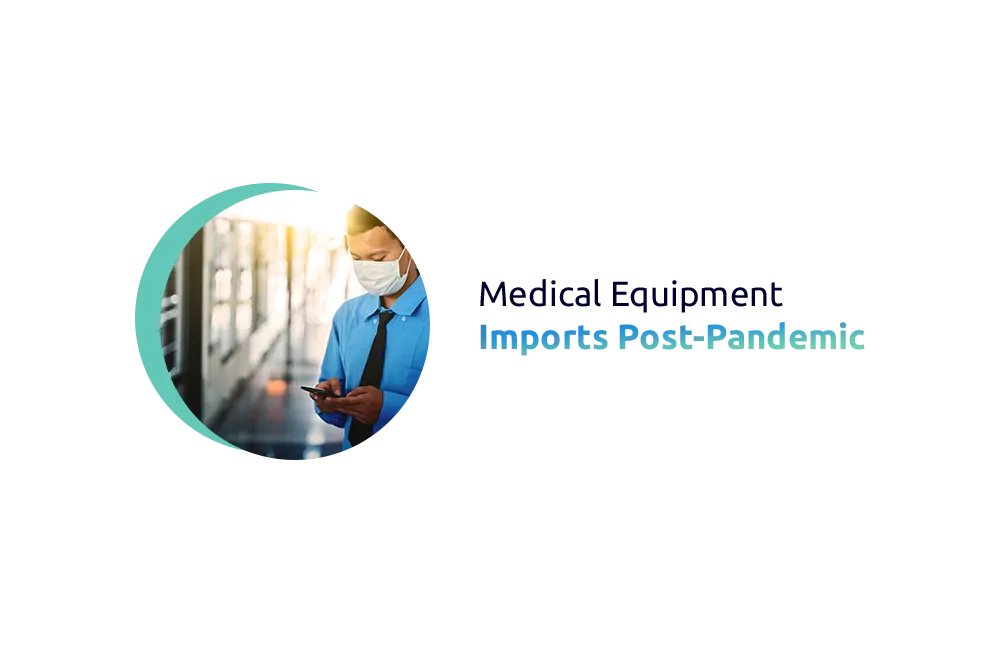
When the COVID-19 pandemic arrived, it triggered an enormous worldwide increase in medical equipment requirements. These medical essentials included ventilators with oxygen masks, diagnostic tests, PPE, & sanitization products for the battle against this dangerous virus. The medical equipment import industry rushed to broaden it’s scope when health systems failed to meet growing market requirements. Some key changes include:
Rapid Procurement & Distribution
Due to pandemic conditions, healthcare organizations, governments, and private businesses fast-tracked the procurement procedures. Healthcare organizations, public entities, and private companies rapidly sought medical equipment through international suppliers that remained their primary source while the pandemic affected them. Painted markets through fast-moving procurement led wealthier states to surpass other countries in supply bidding, producing unequal access to vital supplies across countries.
Shift in Priorities
Many countries, especially those with weaker healthcare infrastructures, shifted their priorities to procure essential equipment for pandemic management. The focus of medical equipment imports was placed on emergency supplies, such as ventilators and diagnostic tools, which disrupted the normal flow of imports for other medical devices and elective procedures.
Supply Chain Disruptions and Adaptations
The global supply chain showed weaknesses during the pandemic, especially regarding medical equipment distribution. The import industry suffered substantial delays because lockdowns, port closures, and labour shortages disrupted international trade. Key factors include:
Logistical Challenges
The global transportation system suffered severe disruption because it caused delays, rising shipping prices, and reduced availability of air freight capacity. Medical equipment supplies, specifically PPE, became stranded during transportation, leading to regional shortages. The disruption required several countries to change their supply sources, and delivery times grew longer.
Production and Manufacturing Bottlenecks
Manufacturers of medical equipment faced production slowdowns due to factory closures and the shift of resources to produce emergency supplies. This slowed the production of standard medical devices and led to backlogs in orders. Many companies adapted by diversifying their supplier base and increasing domestic manufacturing capabilities to mitigate these issues.
Reliance on Local Suppliers
Countries understood the importance of lessening dependence on foreign suppliers, particularly for vital supplies. This bolstered domestic production of essential medical supplies, including face masks and diagnostic tests. Governments and businesses wanted to invest in local manufacturing capabilities to better prepare for future health emergencies.
Regulatory Changes & Compliance
The global pandemic also led government regulators to develop accelerated systems to import medically relevant equipment. It allowed medical institutions to access the vital supplies. Authorities of emergency use authorizations came into effect through regulatory options like the U.S. Food and Drug Administration-FDA and the European Medicines Agency-EMA.
Under EUAs, the manufacturing sector was given a special designation to bypass the usual approval procedures to shorten the process of introducing lifesaving equipment in the market. In response to the blockage of PPE and other key equipment due to the pandemic, they allowed the temporary isolation of the import market ban on the importation of PPE along with ventilators and sanitizers as they encountered a massive demand in the market. These procedures reduced the time it takes to get the approval, but the agencies emphasized greater security and quality checks. The recent boom in PPE and diagnostic testing demand has created some worry over the lack of quality products. The effort by regulators to ramp up the verification of medical equipment being imported to the country has led to increased scrutiny of medical equipment importation to control the response to lack of quality.
The Rise of Digital Solutions in the Import Process
The pandemic significantly accelerated the adoption of digital solutions within the medical equipment import industry. Digital transformation became essential to overcome challenges such as ensuring faster approval processes & improving shipment tracking. Key trends that emerged include the widespread use of digital platforms for submitting import documentation, certifications, & compliance checks, which streamlined approval processes and minimized delays caused by paper-based systems. Authorities in several countries began accepting electronic certificates, enabling faster importation of critical supplies.
Furthermore, there was an expansion in the use of advanced tracking technologies & inventory management systems to provide real time visibility into shipments, ensuring deliveries were made on time and reducing the risk of delays. Additionally, virtual trade events, networking opportunities, or business meetings helped facilitate industry cooperation between suppliers, buyers, and regulators, all of which accelerated the flow of medical equipment.
Long-Term Implications for the Medical Equipment Import Industry
The medical equipment import industry experienced long-lasting effects due to the pandemic, triggering various permanent modifications. Pandemic preparedness requirements have intensified; thus, healthcare systems and governments now prioritize critical supply stockpiling and maintain strong medical equipment supply chain development. The outbreak of COVID-19 produced crucial learning, which confirmed that supply chains require enhanced resistance and broader distribution networks because dependency on one supplier or area proves dangerous. Organizations and governments dedicate funds to construct adaptable supply systems that maintain operational strength during unpredictable events. Many nations presently focus on local manufacturing efforts to safeguard themselves from foreign suppliers’ dependence on critical products, including PPE, ventilators, and diagnostic tests. The strategy seeks to create an independent medical supply network to handle future emergencies.
Conclusion
Medical equipment import operations faced unprecedented changes because of the COVID-19 pandemic. Throughout COVID-19, the sector quickly adapted by adjusting supply chains and regulations to ensure vital medical devices would reach healthcare providers worldwide. Pandemic preparedness remains critical for future development as it creates innovations that strengthen supply chain stability while promoting domestic production and regulatory standards. The medical equipment import industry will adopt these changes to develop a future model that delivers a better performing and resilient global healthcare system. We at One Union Solutions provide comprehensive solutions that help companies navigate evolving changes and streamline medical equipment importing procedures while following updated regulatory standards.
Did You Know,
The worldwide demand for personal protective equipment (PPE) exceeded its former level by 1,000% during the COVID-19 pandemic.
FAQs
Which effects did the COVID-19 pandemic have on medical device imports?
Ans: The pandemic greatly increased demand for essential medical equipment, disrupted global supply chains, and forced changes in normal import procedures, making medical device imports more urgent and complex.
What regulatory changes were introduced for medical device imports during the pandemic?
Ans: Regulatory authorities introduced emergency use authorizations (EUAs) and relaxed certain import rules to speed up the clearance and delivery of critical medical equipment.
How did supply chains adapt to pandemic-related challenges?
Ans: Companies strengthened their supply chains by working with more suppliers, building higher inventory levels, and increasing local manufacturing to reduce reliance on overseas sources.
What role did digital tools play in medical equipment imports during COVID-19?
Ans: Digital tools improved efficiency through electronic documentation, real-time shipment tracking, and virtual coordination, helping businesses manage delays and supply shortages.
What long-term changes will remain in medical device imports after the pandemic?
Ans: The industry will focus more on emergency preparedness, stronger and more flexible supply chains, and increased domestic production to handle future global health crises effectively.