Overview
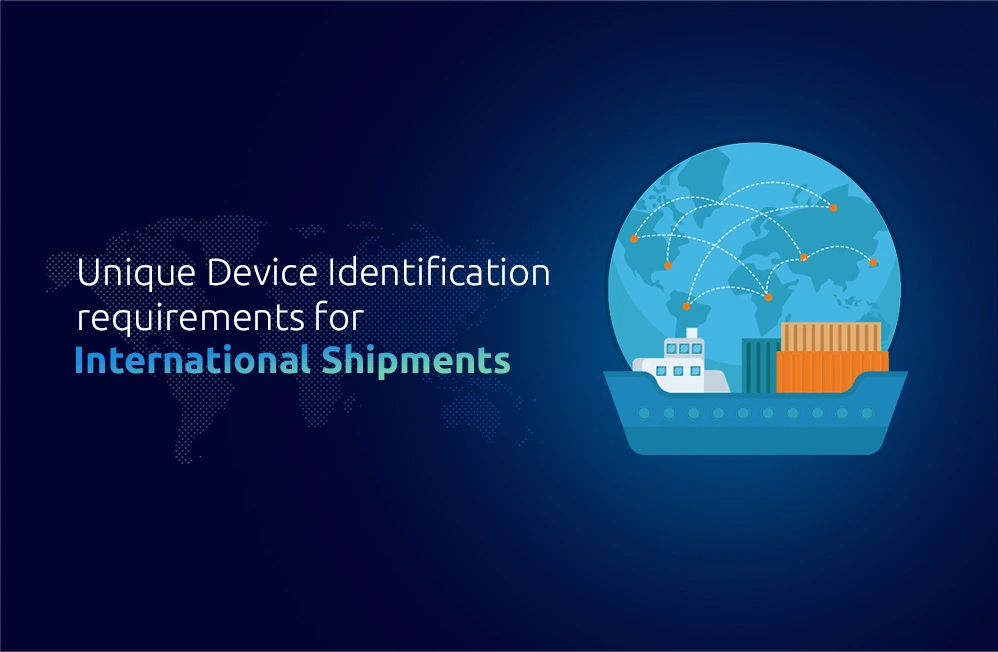
As the global healthcare trade grows, medical devices are shipping across borders. From diagnostic equipment to surgical tools, international shipments must meet stronger regulatory and trade agreement standards. One of the most necessary regulatory systems changing the global device supply is UDI (Unique Device Identification). Governments globally now require medical devices to carry systematic identification codes to improve tracking and device safety. Exporters, suppliers, and logistics providers follow UDI requirements for global shipments, which are not just about categorization; it affects customs clearance and inventory and order management, and overall supply chain optimization. UDI combined with International shipping terms, HS code categorizations, and global trade processes, is necessary for smooth cross-border trade.
What is Unique Device Identification?
UDI is a globally recognized system that uses a unique code for medical devices to track throughout the product lifecycle. The UDI include of two main components:
- Device Identifier (DI): Identifies the suppliers and specific device method.
- Production Identifier (PI) requires a batch number, serial number, manufacturing date, or expiration date.
Regulatory officials such as the U.S. FDA, the European Union, and other global officials require manufacturers to label devices with UDIs and submit product information. This confirms clarity in global trade and increases tracking during recalls or safety alerts. While UDI focuses on regulatory approval, it works alongside trade-related elements such as the HS code or HTS harmonized tariff schedule for correct product categorizations during customs clearance. Proper work between regulatory labeling and tariff documentation reduces shipment delays and agreement risks.
Key International Unique Device Identification Requirements for Global Trade
Different countries have adopted UDI systems, but requirements may change in format, database registration, and labeling specifications. However, common elements include:
Regulatory Registration
Manufacturers must register device data in national or regional databases before international shipping. This step is frequently mandatory anyway for shipment value or destination.
Labeling and Packaging Approval
UDI must appear on device labels and, in some cases, on higher packaging levels. For exporters using Incoterms such as DAP or DDP, responsibility for agreements may differ depending on the agreement.
Documentation Alignment
Shipping documents must match UDI details to avoid inconsistency during customs clearance. Customs officials frequently require product descriptions, HS code categorizations, and declared values.
Trade Preference Considerations
In some markets, trade agreements or programs such as the generalized system of preferences (GSP) may change tariff treatment. Work between the exporter of record services and importer of record service providers is crucial to confirm all documentation work with UDI database records and local regulatory requirements.

How the Unique Device Identification System Works in Global Trade
The Unique Device Identification system functions as a traceability support within the global medical device supply chain.
Combination with Logistics and Freight
During international freight services, UDI codes allow real-time tracking and verification. Logistics providers can check UDI barcodes to manage shipments effectively, reducing the risk of lost or unknown goods. This is specifically valuable for temperature-sensitive or valuable medical devices.
Customs and Border Processing
Customs authorities depend on correct product identification. When combined with the correct HTS harmonized tariff schedule and International shipping terms, UDI data supports smoother inspections and faster customs clearance. Under terms like DAP (Delivered at Place), responsibility for import duties and approval may fall on the buyer, whereas DDP changes more responsibility to the seller. Understanding how DAPs and other Incoterms are used for approval problems is necessary when shipping regulated medical devices.
Digital Supply Chain Systems
UDI combines with digital inventory and order management systems. By combining production data with the global distribution chain, organizations achieve better supply chain optimization. This reduces errors, improves recall management, and improves regulatory reporting of the supply chain.
Conclusion
UDI (Unique Device Identification) requirements for international shipments have become the basis of global medical device trade. Beyond regulatory approval, UDI changes logistics, customs procedures, tariff categorizations, and overall supply chain management. For manufacturers and distributors working globally, using UDI labeling with HS code categorizations, Incoterms, and documentation methods is necessary for approval. Working between the exporter of record services, the importer of record services providers, and international freight services confirms smooth cross-border shipments.
DID YOU KNOW?
During the study period from November 2022 to June 2024, the system cataloged 14,453 surgical instruments. During that time, 179,620 trays were assembled with no packing errors detected.
FAQs:
1. What is Unique Device Identification (UDI) in global trade?
UDI is a regulatory system that assigns a unique code to medical devices to improve traceability, safety, and transparency throughout the product lifecycle in international trade.
2. Is UDI mandatory for international medical device shipments?
Yes, many regulatory authorities, such as the U.S. FDA and the European Union, require UDI labeling and database registration before devices can be marketed or shipped internationally.
3. How does UDI affect customs clearance?
UDI supports accurate product identification during customs inspections. When worked with the correct HS code and shipping documentation, it reduces delays and approval risks.
4. How do Incoterms impact UDI compliance responsibilities?
Incoterms like DAP and DDP determine whether the buyer or seller is responsible for duties, regulatory approvals, and documentation related to UDI agreement.
5. Does UDI help improve supply chain management?
Yes. UDI integrates with digital inventory and logistics systems, improving tracking, recall management, regulatory reporting, and overall supply chain optimization.