
Introduction
As global trade expands and customer expectations continue to grow, third-party logistics providers (3PLs) are under increasing pressure to deliver faster, cheaper, and more perfectly. Conventional shipping methods, which depend on fixed routes and unused capacity, are no longer effective in today’s data-driven environment. This is where dynamic routing and load optimization play a vital role in shipping. By combining advanced technology with real-time decision-making, 3PLs are changing transportation and warehousing operations, reducing emissions and lowering costs while maintaining agreement with customs clearance, import duties and tariffs, and import export documentation requirements.
What is Dynamic Route Optimization?
It refers to the use of intelligent systems that continuously adjust delivery routes based on real-time shipment tracking, traffic conditions, time usage, delivery schedule, and operational constraints. Unlike static routing, dynamic routing is used instantly to disruptions, allowing effective last-mile delivery services and international freight services. When combined with supply chain management, warehousing, and transportation planning, it allows 3PLs to align routing decisions with Incoterms such as Delivered Duty Paid service (DAP), confirming smooth work between shippers, IOR services, and customs authorities. These systems also account for HS code and HTS harmonized tariff schedule data to confirm compliant cross-border movements without delays.

How 3PLs Cut Carbon and Costs
Third-party logistics providers reduce carbon emissions and shipping fees by reducing unnecessary benefits, reducing empty truck runs, and cleverly combining shipments. Load optimization confirms that vehicles operate closer to full capacity, which directly reduces usage per unit shipped. This approach supports broader supply chain optimization purposes by simplifying transportation and warehousing work. For businesses handling a warehousing approach for import and export goods, dynamic routing confirms faster clearance and smoother handoffs between ports, warehouses, and final destinations. By avoiding route inefficiencies and customs issues, organizations also reduce demurrage costs, delays, combined with import duties and tariffs, and penalties related to inaccurate import export documentation.
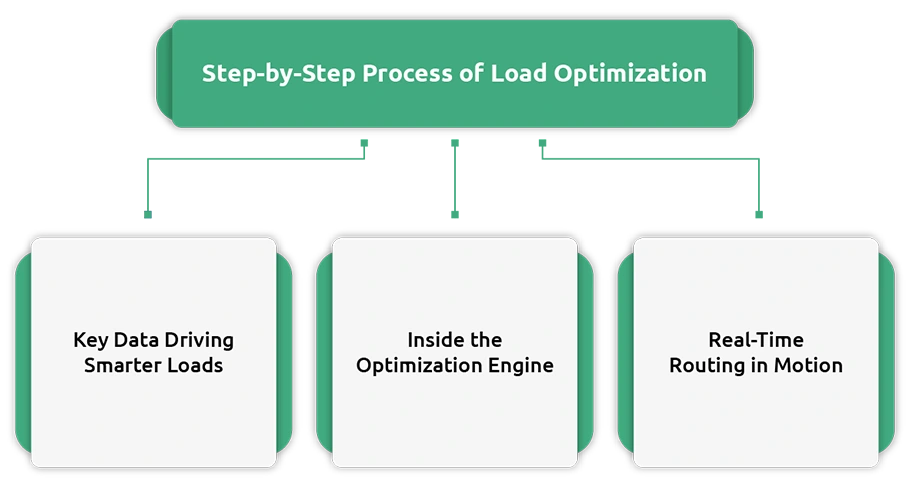
Step-by-Step Process of Load Optimization
Load optimization starts with data collection across the transportation and warehousing, such as shipment size, weight, destination, and delivery urgency. Advanced systems analyze this data alongside real-time shipment tracking and route availability to show the most effective load configuration. The system then works on routing plans with customs clearance requirements, confirming that documents, HS code categorizations, and Incoterms are correctly used during shipping. Dynamic adjustments are made to respond to traffic changes or delivery rescheduling, supporting effective last-mile delivery services. This continuous optimization allows 3PLs to balance cost control with service dependability, even for difficult international freight services working under DAP and Delivered Duty Paid service methods.
Benefits of Dynamic Route Optimization
One of the biggest benefits of dynamic routing is increased tracking across the complete supply chain. Live shipment tracking, businesses to gain better control over transportation and warehousing work, leading to improved customer satisfaction. Cost savings are achieved through lower time usage, reduced labor hours, and optimized resource usage. Also, some vehicles on the road mean lower emissions, supporting sustainability goals. From an approval viewpoint, integration with customs clearance processes, IOR services, and correct import export documentation reduces the risk of delays and penalties. For organizations managing supply chain management, warehousing, and cross-border work, dynamic routing strengthens dependability and predictability.
Conclusion
Dynamic routing and load optimization have become necessary tools for modern 3PLs looking to cut carbon emissions while controlling logistics costs. Combining advanced routing, effective load planning, and smooth work with customs clearance, import duties and tariffs, and international freight services, 3PLs can deliver quicker and more dependable effects. As supply chain optimization continues to develop, businesses that invest in dynamic routing technologies will gain a competitive advantage, confirming sustainable growth in an increasingly difficult global trade.
DID YOU KNOW?
Dynamic scheduling, route optimization, and load pooling can reduce CO2 emissions by 30%, traffic congestion by 30%, and distribution costs by 25%.
FAQs:
- What is dynamic route optimization in logistics?
Dynamic route optimization is the process of continuously adjusting delivery routes using real-time data such as traffic conditions, shipment status, and delivery schedules to improve efficiency and reduce delays.
- How does load optimization help reduce logistics costs?
Load optimization ensures vehicles operate closer to full capacity, reducing empty runs, fuel consumption, labor costs, and overall transportation expenses.
- Can dynamic routing support international freight services?
Yes, dynamic routing aligns transportation planning with customs clearance, HS codes, Incoterms, and import-export documentation to support smoother cross-border freight movements.
- How do 3PLs reduce carbon emissions using dynamic routing?
By minimizing unnecessary miles, optimizing loads, and avoiding congestion, 3PLs reduce fuel usage and vehicle emissions across the supply chain.
- Is dynamic route optimization useful for last-mile delivery?
Absolutely. Dynamic routing improves last-mile delivery services by responding to real-time disruptions, improving delivery accuracy, and increasing customer satisfaction.