Overview
Many businesses assume that once goods have cleared customs and reached their destination, compliance responsibilities are over. In reality, customs audits can happen years after delivery. Customs authorities worldwide retain the legal right to review past import and export transactions, often long after the shipments have been completed. These audits examine documentation, valuation methods, declared HS code or HTS Harmonized Tariff Schedule classifications, duty payments, origin claims under the generalized system of preferences (GSP), and adherence to international shipping terms such as Incoterms, DAP, or DAPs. With today’s digitally connected logistics and data-driven border systems, historical records are easier for authorities to analyze and interpret. This means businesses engaged in international freight services, importer of record service, or exporter of record services must be prepared to justify past filings, even years later.

Getting Ahead of a Customs Audit
Why proactive custom clearance compliance matters
Getting ahead of a customs audit begins with establishing strong internal controls. Organizations that invest in correct categorization, valuation, and record-keeping reduce the risk of penalties when customs authorities review data of shipments.
Maintaining complete records for invoices, shipping documents, origin certificates, and international shipping terms is critical. Whether you work with freight forwarding companies near me or manage cross-border movements internally, every transaction should be traceable. Strong inventory and order management systems help connect physical stock to declared customs data, confirming consistency across your supply chain.
Proactive audits, internal compliance reviews, and HS code and duty checks also support long-term supply chain optimization, reducing disruptions when a formal customs audit is required.
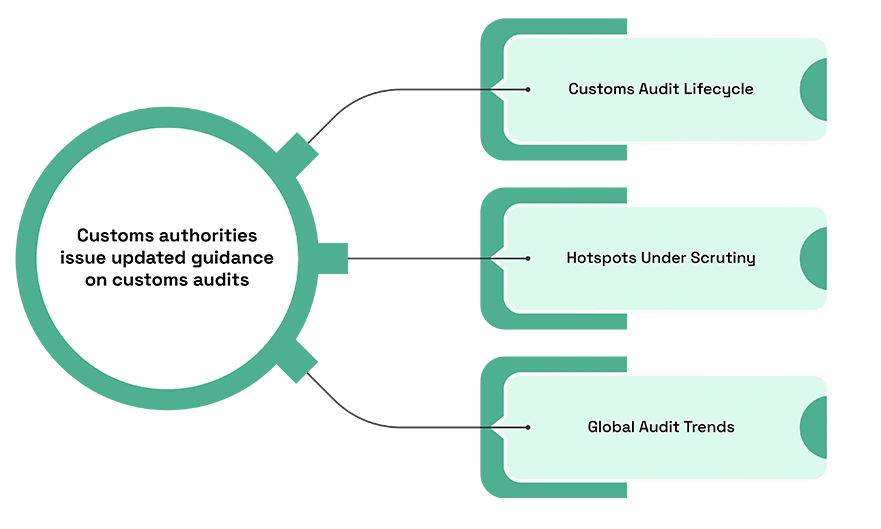
Customs authorities issue updated guidance on customs audits
Increasing focus on post-clearance verification
Customs authorities are issuing updated guidance worldwide to strengthen post-clearance audit programs. These programs improve long-term data analysis, risk profiling, and verification of transactions that may date back many years. Areas under scrutiny include valuation adjustments, misclassification under the HTS Harmonized Tariff Schedule, incorrect use of DAP or other Incoterms, and improper application of GSP benefits.
With the growing use of automated systems, authorities can cross-check declarations against carrier data, port records, and even information from international freight services providers. Businesses involved in high-value or high-volume shipments must treat audit readiness as a continuous process, not a one-time event.
Key Details on Customs audit Happen Years After Delivery
What customs auditors typically review
Long-term record obligations
Customs audits that happen years after delivery usually focus on whether importers and exporters met their legal obligations at the time of clearance. Auditors commonly examine:
- Accuracy of declared HS code and tariff rates
- Proper use of HTS Harmonized Tariff Schedule references
- Valuation methods and related-party pricing
- Origin declarations and GSP eligibility
- Consistency of international shipping terms, including DAP or DAPs
- Supporting documents tied to customs clearance
They may also analyze how organizations coordinate logistics, inventory and order management, and third-party providers. Gaps between operational records and customs filings can trigger evaluation, duty recovery actions, and financial penalties.
How One Union Solutions Help You in Customs Audits After Delivery
End-to-end audit support
One Union Solutions helps businesses manage customs audit exposure long after shipments are completed. Through professional importer of record service and exporter of record services, companies can confirm filings remain complete and defensible even years later.
Their expertise across customs clearance, regulatory documentation, and post-entry audit assistance in 190+ countries. By integrating agreement controls with international freight services, premium delivery service coordination, and broader logistics support, we help clients align operational flows with regulatory requirements. Whether working with global carriers or searching for dependable freight forwarding companies near me, businesses benefit from centralized documentation and audit-ready reporting for supply chain optimization.
Conclusion
Customs audits can happen years after delivery, making long-term compliance a vital part of global trade work. Correct use of HS code and HTS Harmonized Tariff Schedule, consistent application of international shipping terms such as DAP, inventory and order management, and customs clearance processes for audit readiness. Working with expert partners such as One Union Solutions for logistics and international freight services, businesses can protect themselves from unexpected fees. Preparing today confirms that even years from now, your company can face a customs audit with confidence rather than issues.
DID YOU KNOW?
Risk Analysis and Survey Assessments (RASAs) are conducted under the authority of 19 United States Code (U.S.C.) §1509(a).
FAQs:
Can customs authorities audit shipments years after delivery?
Yes. Customs authorities in many countries have the legal right to audit import and export transactions years after goods are delivered. They review historical filings, duty payments, HS codes, valuation, and supporting documents.
What documents are checked during a post-clearance customs audit?
Auditors usually examine invoices, packing lists, shipping documents, origin certificates, HS code classifications, HTS references, valuation records, Incoterms such as DAP, and customs clearance filings.
Why do customs audits happen long after goods are cleared?
With digital customs systems and long-term data storage, authorities can analyze past transactions, identify risks, and investigate inconsistencies even many years after delivery.
Who is responsible during a customs audit after delivery?
The importer of record and exporter of record services remain legally responsible. Even if third-party logistics or international freight services were used, liability for compliance stays with the business.
How can companies prepare for future customs audits?
Businesses should maintain long-term records, conduct internal compliance reviews, verify HS codes and valuation, and work with experienced customs clearance and audit-support partners.