Freight forwarding services play a crucial role in managing end-to-end cargo movement, ensuring goods move smoothly from origin to final destination through a reliable network of global carriers. Instead of transporting goods directly, a freight forwarder coordinates air freight, sea freight, rail transport, and road transport to create the most efficient multimodal route. These providers also oversee freight forwarding, customs clearance, documentation, warehousing services, and in-transit cargo monitoring to prevent delays and ensure compliance. By integrating advanced warehouse solutions, logistics planning, and trade compliance knowledge, a professional freight forwarding service guarantees cost-efficient, secure, and timely international shipping for importer, exporter, and e-commerce businesses.
Why Work with a Freight Forwarding Service?
Freight Forwarding serves as a transportation service, and pickup service, basically responsible for the transportation and delivery of cargo to its desired location. Government agencies and public sectors generally associated with freight forwarding services, Non-Governmental Organizations, and companies engaged with international trade and shipping business are working with freight forwarding services because adhere to the rules and regulations of regulatory bodies these agencies and organizations also know what is the weight limitations in terms of transportation or which type of cargo will be the best for transporting goods. Freight Forwarders basically handle and transport the goods but they have no power of access to the freight. In simple terms, this service mainly takes up cargo from one location to other location.
Why is freight forwarding important in international trade?
Freight forwarding is important because it simplifies complex shipping processes, ensures compliance with regulations, reduces delays, and helps businesses move goods efficiently across borders. It also manages essential tasks such as documentation, customs clearance, cargo handling, and coordination with multiple transport providers. Freight forwarders help reduce risks, control shipping costs, and improve delivery timelines by using their expertise and global networks. This support allows businesses to focus on their core operations while ensuring smooth and reliable international trade.
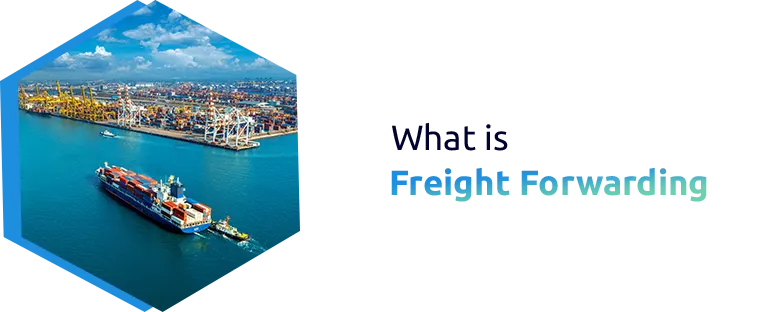
Some key advantages of freight forwarding service:
Cost Efficiency
Companies, organizations, and agencies that are involved with international trade, in that case, these companies have to do shipping procedures of goods, but due to the high volume of shipments, these businesses can not deliver a clear route of shipment process, and freight forwarders are capable of better deliberation and consultation with the carrier to transport freight. Without the involvement of freight forwarders, exporters and businesses that are linked with international trade are not able to process well to move their goods as they lack connections. Freight Forwarders, in this way save additional high expenses of shipment.
Reduce Expenditure
There are a lot of stages to follow in the freight handling sector, such as complex paperwork, documentation, consultation with carriers, and the logistics aspect. But untrained businesses are not able to process these steps; as a result, they have to face difficulties in freight movement, but a freight forwarding agency comes to the aid to handle these difficult stages of freight movement and is successfully able to move freight globally or in the domestic sector. So the businesses are assured knowing the fact that freight forwarders are aptly managing the difficult cargo moving process.
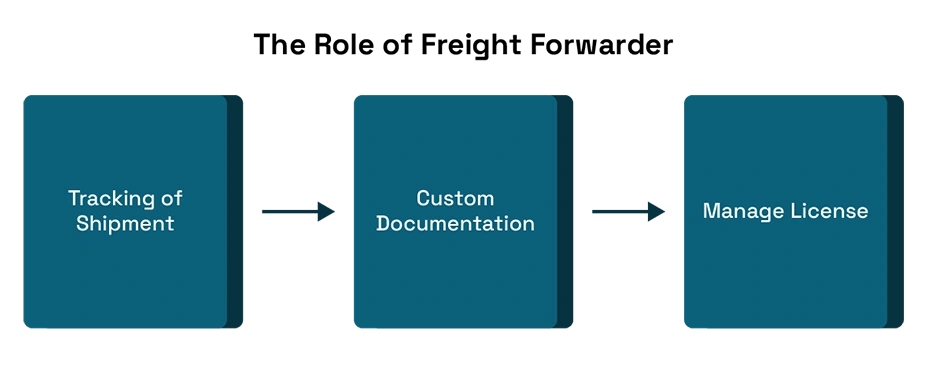
The Role of Freight Forwarder
Freight Forwarders have mastery and craftsmanship over handling the challenges of transportation and trade on a global scale and make sure that freights are transported seamlessly. Freight forwarders mainly pick up cargo from its origin location, look after cargo insurance and handling documentation process, and ensure on time secure delivery of goods.
Here are some important roles of a freight forwarder
Shipment Tracking
Freight forwarders track shipments from the time they are picked up until they are delivered. They give updates so that businesses can always know where their goods are and when they will arrive.
Customs Documentation
Freight forwarders prepare important shipping documents such as invoices, packing lists, licenses, and customs details. This helps goods pass without customs delays.
Logistics Management
They help handle the storage, handling, and movement of goods. This makes it easier for businesses to keep their products organized and ready for delivery.
Transport Coordination
Freight forwarders choose the best way to transport goods. They can handle shipping by air, sea, road, or rail based on the business’s needs and budget.
Risk Management
Freight forwarders help avoid common shipping risks such as customs issues, delays, damaged goods, and missing documents. This helps make sure smoother deliveries.
Cost and Time Savings
Freight forwarders use their experience and shipping networks to find efficient transport solutions. This helps businesses save money and deliver goods faster.
Better Supply Chain Support
Freight forwarders help keep the supply chain running smoothly by making sure goods move safely and reach customers on time. This helps businesses improve their overall operations.
Value of Warehousing & In-Transit Management in Freight Forwarding
Effective freight forwarding depends heavily on robust warehousing services and accurate in-transit cargo visibility. Professional forwarders offer integrated storage and warehousing services, including temperature-controlled storage, inventory handling, and bonded warehouse options to support global trade. These warehousing solutions allow businesses to store goods strategically, reduce transit delays, optimize e-commerce international shipping, and follow best practices in supply chain management. With proper documentation, customs clearance, and compliance with Incoterms 2026, freight forwarders minimize risks while enabling smooth DDP shipping, global trade compliance, and uninterrupted cargo flow across borders.
Conclusion
Overall, freight forwarders are excellent in managing and coordinating with the global shipment process as well as the internal transportation process. They also work on cost saving as well as taking care of cargo insurance, understand the importance of custom reports, proper packaging and labeling of products, optimize supply chain management procedure, and make sure that goods are delivered to their destination and streamline transportation process.
Did you know?
IRU Director for TIR and Transit Tatiana Rey-Bellet spoke on the panel “Driving Competitiveness of Multimodal Corridors” during the International Federation of Freight Forwarders Associations (FIATA) HQ Meeting 2026.
FAQ
1. What information does a freight forwarder need before shipping goods?
They usually need product details, shipment size, weight, destination, and delivery requirements to plan the shipment properly.
2. Can freight forwarders manage shipments to multiple countries?
Yes. Freight forwarders can coordinate shipments across different countries and handle the required logistics and documentation.
3. How does One Union Solutions help businesses with freight forwarding?
One Union Solutions provides freight forwarding, customs clearance, warehousing, compliance support, and logistics solutions to help businesses move goods smoothly around the world.
4. How does One Union Solutions support freight forwarding in 2026?
In 2026, One Union Solutions uses modern logistics processes and global networks to help businesses move goods faster, more safely, and more efficiently.
5. How does One Union Solutions help businesses save time and costs?
By simplifying shipping processes, reducing delays, and managing compliance requirements, One Union Solutions helps businesses operate more efficiently.