Insight
In 2025, the Gulf Cooperation Council (GCC) can still be considered one of the most active trade areas. As logistics corridors grow and digital customs solutions take over, and demand for specialized equipment increases, the Middle East has solid potential in terms of expanding imports internationally. The importer of aviation, automobile, healthcare, and IT equipment can obtain long-term benefits by comprehending the local rules, developing partnerships, and establishing resilient local supply chain networks.
Understanding the GCC Market: Economic Growth and Trade Potential
The GCC market is a single economic outlook of a number of developing economies. Its stability, economy that is energy supported, and strategic location between Asia, Europe, and Africa mean unmatched international trade access. The imports of equipment have been increasing because of the high-paced infrastructure development, investments in smart cities, and digital transformation projects in the Gulf.
Advanced warehousing and distribution services are fueling this growth by supporting imports through both sea freight services and advanced air freight shipping systems. The GCC continues to focus on diversification and sustainable trade, creating ongoing opportunities for importers working within specialized technology sectors.

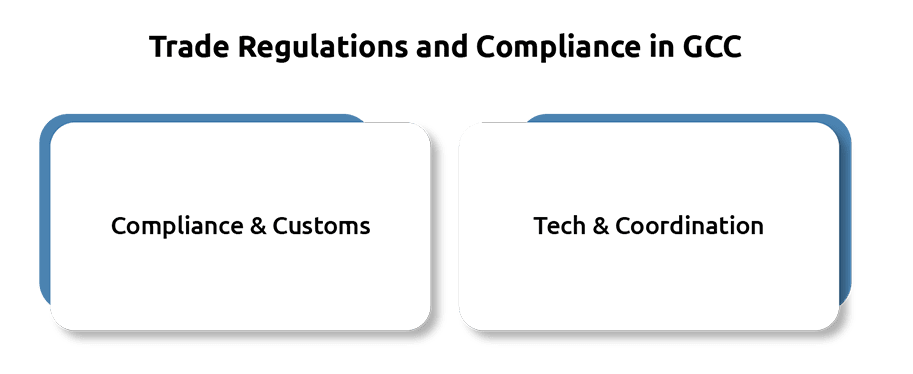
Trade Regulations and Compliance in GCC.
Each of the GCC countries has its own trade regulations, although with the modernization of customs, compliance has become more standardized on a regional scale. Importers have to conform to the procedures of import clearance, tariff classification, and mandatory certification procedures prior to transit of their shipments to commercial zones.
Having mature compliance experts will facilitate quick processing and management of documents using electronic data exchange (EDI) systems. Coordination between the importer of record and exporter of record simplifies all processes – cargo release to duty clearance. The connection between ports enables the customs clearance process to be simplified, which facilitates trade in businesses dealing with high equipment value, which need accurate handling and temperature control.
Popular Product Categories that are Guiding GCC Imports
Imports in GCC states are still characterized by industrial goods, precision equipment, and advanced electronics. The top of the demand list is healthcare systems, aviation components, and IT infrastructure equipment because the region spends massively on innovation and digital resilience.
Confidential freight forwarding guarantees an on-time delivery by sea freight transportation or air transport. Such shipments usually rely on real-time tracking of shipments and automation of warehouse management systems to maintain operational effectiveness. The Gulf is also a solid choice of compliant imports managed strategically as logistics and freight forwarding networks develop.
Establishing Strategic Partnering and Local Distributor Systems.
The GCC’s success relies on the creation of trusted relationships in the local supply chain. Local distributors and logistics agents suppliers offer essential on-ground services in the local market penetration, documentation, and coordination of the customs clearance services.
Teamwork backed up by an open flow of information and collective responsibility improves the efficiency of cargo handling and storage. The reliable partner knowledgeable about GCC standards and trade procedures will make shipments of high value easier to accomplish and coordinate after the import more firmly.
E-commerce and Digital Trade Channels in the GCC
Digital trade platforms are transforming how equipment moves across borders. The adoption of B2B e-commerce in the Gulf creates faster pathways for online procurement, allowing seamless data exchange for international shipping terms and DDP shipping coordination.
Freight logistics services integrated with multi-modal logistics platforms further improve supply chain efficiency. Automated freight forwarding technologies also reduce manual documentation and improve port-to-port coordination. With evolving digital policies, trade within the GCC is more connected than ever, bridging traditional commerce and modern technology.
The Role of Ports, Airports, and Climate Updates
The world’s ports and GCC airports are changing due to climate and digital changes. They are increasing efficiency and safety in the operation with the help of modernized cargo management systems, carbon tracking tools, and AI-enabled warehouse control systems. Air freight transport has become a combination of data analytics and predictive logistics programs in real-time to reduce risks. These inventions are to ensure the quality and speed of delivery of equipment imported into the Gulf countries.
Conclusion
The Middle East has the greatest growth potential, with strategic policy changes, the adoption of technology, and increasing logistics networks. The companies can help in the sustainable development of the GCC trade channels through the understanding of trade regulations, tapping into local collaborations, and integration of freight forwarding and warehousing.
At One Union Solutions, we help businesses manage their end-to-end logistics cycle efficiently, ensuring secure and compliant transport of specialized equipment across GCC countries, delivered with precision, expertise, and consistency from port to port.
Did You Know,
GCC air cargo terminals handled over 4.3 million metric tons of equipment in 2024, marking a 21% rise in aviation and IT hardware imports. Healthcare equipment shipments alone saw a 17% annual increase as hospitals and research centers expanded across the region.
FAQ’s
Why is the GCC a strong region for global imports?
The GCC offers economic stability, strategic logistics positioning, and expanding digital trade ecosystems catering to specialized equipment.
Which equipment sectors have the highest demand across the GCC?
Sectors like IT infrastructure, aviation components, healthcare systems, and automotive solutions drive the bulk of high-value imports.
How can importers navigate customs regulations in the GCC?
Aligning with customs clearance services and verified importer of record support ensures quick, compliant entry for equipment.
What role does digital trade play in GCC operations?
E-commerce systems and port-to-port visibility tools simplify tracking, reduce documentation, and enable seamless coordination.
How does One Union Solutions support GCC import operations?
We offer structured import logistics and customs clearance support to facilitate safe, compliant transport from port to port across Gulf destinations.