Overview
Freight forwarders play a vital role in working global cargo shipments, yet many parts of international trade remain outside their direct changed. Expert providers of international freight services cannot command port authorities, weather systems, airline capacity, or government regulators. Organizations frequently expect freight partners to control every part of shipping, from documentation to delivery, but the reality is more difficult. What freight forwarders manage and what they do not helps exporters and importers create realistic schedules, improve inventory and order management, and plan smarter supply chain optimization plans.
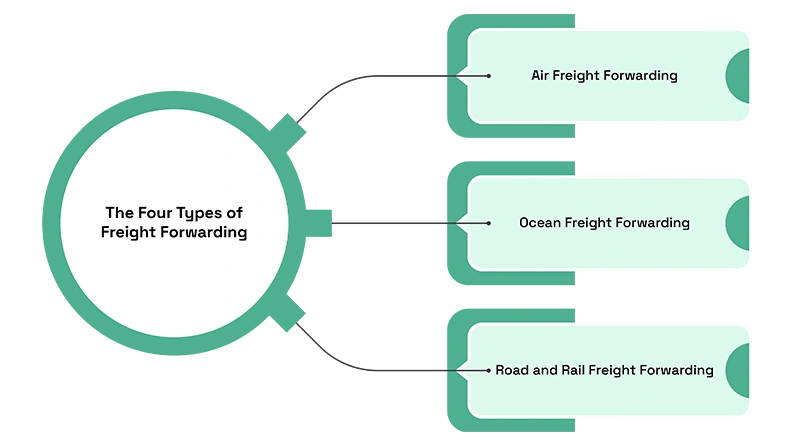
The Four Types of Freight Forwarding
1. Air Freight Forwarding
Air shipping arranges quick logistics for valuable or urgent shipments. While they arrange logistics and schedules, they cannot authorize airspace usage, aircraft availability, or aviation security delays that affect premium delivery service responsibilities.
2. Ocean Freight Forwarding
Ocean forwarding supports huge global trade. Forwarders manage bookings, container loading, and routing, but port strikes, ship rollovers, and customs holds frequently interrupt even well-planned shipments.
3. Road and Rail Freight Forwarding
Road and rail chains connect manufacturing, ports, and warehouses. Also, border congestion, regulatory inspections, and systems issues can stop local and cross-border shipments.
4. Multimodal Freight Forwarding
Forwarding combines air, sea, and land logistics to improve reach and cost efficiency. While this improves supply chain optimization, supply affects the complete shipment.
The Role Of Freight Forwarders In Modern Global Trade
Working, Approval, and Documentation
Freight forwarders work as trade organizers, confirming shipments delivery related to international shipping terms such as Incoterms and delivery systems like DAP. They arrange transport, manage routing, and support documentation required for customs clearance. Many also support Exporter of Record services and Importer of Record service solutions, which are vital when organizations lack a legal presence in destination countries.
Classification and Advisory Support
Forwarders help businesses prepare correct product data, such as HS code and HTS Harmonized Tariff Schedule, to reduce categorization errors and unexpected duties. They may also advise on programs such as the Generalized System of Preferences (GSP) when applicable. Also, final interpretations, audits, and duty decisions are made by customs authorities, not freight forwarders.
Factors Freight Forwarders Outside Their Direct Control
Government Regulations and Border Authorities
No freight forwarder can override customs inspections, goods holds, or regulatory reviews. Even when paperwork is correct, customs brokers control the release schedule, valuation reviews, and approval verification.
Carrier Operations and Capacity
Freight forwarders arrange with airlines, shipping lines, and trucking companies, but they do not own most transport. Vessel delays, overbooked flights, or last-minute routing changes remain the carrier’s decision.
Environment and Geopolitical Supply
Storms, earthquakes, canals, and political tensions continuously change global shipping routes. These forces directly affect logistics times and port usages, beyond any forwarder’s authority.
Market Conditions and Cost Changing
Fuel costs, container shortages, and seasonal demand spikes are changing pricing and logistics availability. Even the most dependable freight forwarding companies near me cannot stabilize global freight markets on their own.
Shipping Delays Beyond Freight Forwarder’s Control
Port Congestion and Terminal Backlogs
Ports frequently see labor shortages, equipment issues, and unexpected surges in cargo volume. Containers may hold for days awaiting unloading, inspection, or move, regardless of priority.
Customs Holds and Documentation Reviews
Delays frequently occur during customs clearance due to random inspections, valuation checks, or missing regulatory permits. Freight forwarders can support resolution, but authorities dictate release schedules.
Last-Mile and Domestic Transport Challenges
Once cargo clears ports, inland logistics may still face road issues, driver shortages, or warehouse issues. These elements affect final delivery under DAPs and other delivery systems.
Conclusion
Freight forwarders are necessary partners in modern trade, connecting businesses to the global logistics chain, agreement systems, and operational expertise. They allow smoother logistics, manage documentation, and support difficult shipments across borders. Yet many of the most disruptive variables customs decisions, carrier operations, weather, and geopolitical events, remain outside their direct control. Recognizing these limits allows businesses to build stronger possibility planning, smarter inventory and order management, and more flexible global plans. When expectations work with reality, freight forwarders can focus on what they do best: working effectively, compliantly, and adaptively on global trade solutions.
DID YOU KNOW?
Freight bills, which are essential commercial documents, are printed, sent via courier, signed, and scanned across borders, a process that often takes a week to complete and costs up to $18 per document.
FAQs:
1. What do freight forwarders not control in international shipping?
Freight forwarders cannot control customs authority decisions, port operations, carrier capacity, weather conditions, or geopolitical disruptions that may delay or reroute shipments.
2. Are customs delays the responsibility of freight forwarders?
No. Freight forwarders prepare documentation and support customs clearance, but inspections, holds, valuations, and final approvals are controlled by government authorities.
3. Can freight forwarders prevent port congestion and vessel delays?
They cannot prevent port congestion, labor shortages, vessel rollovers, or terminal backlogs, as these depend on port authorities and shipping lines.
4. Do freight forwarders control airline or shipping line schedules?
Freight forwarders arrange bookings and routing, but aircraft availability, vessel schedules, and capacity decisions are made by carriers.
5. How can businesses reduce risks that freight forwarders can’t control?
Companies can reduce risk through buffer timelines, better inventory planning, compliance accuracy, diversified routes, and proactive communication with freight partners.