Digital trade compliance platforms in 2026 have changed from reactive, manual damaging tools into strategic, AI-led enterprise solutions. Driven by global supply chain instability, digital border transformations, & difficult sustainability rules, companies are digitizing compliance to ensure operational resilience & secure a complete advantage.
What is compliance modernization?
To fully understand the details of compliance modernization, it is first necessary to learn the concept of compliance. Compliance is categorized as an organization’s state of being in accordance with industry/government regulations & specific guidelines. It is a main business concern, as it can be challenging to keep up with the ever-increasing number of regulations & guidelines.
Compliance modernization can be defined as the way a function is governed, including the tools, analytics & technology used. It also covers connections to other parts of the organization & the needs of the function within business processes.
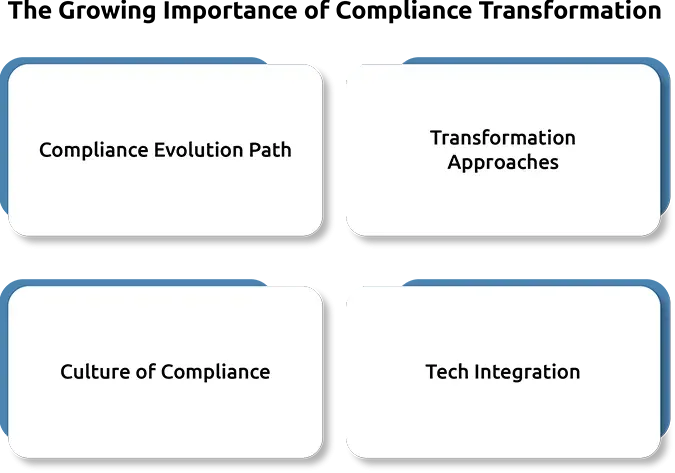
The Growing Importance of Compliance Transformation
Organizations are mainly looking for ways to ensure their business processes meet the requirements of current regulations. Compliance transformation focuses on reassessing the whole compliance function to make it more easy & effective. As regulations are constantly changing, organizations are looking toward predicting future trends & developments, thus seeking ways to integrate current technology & processes into their compliance to further mature functions. Compliance transformation can take on a different approach for different organizations. Some companies will continue to develop their current approaches while others will build theirs from scratch.
There are many possible benefits of compliance transformation. This approach can increase the effectiveness of an organization’s compliance & can even lead to building a strategy-driven culture of compliance that is fully developed into an organization’s governance.
Why Businesses Are Modernizing Compliance Platforms
Businesses are modernizing compliance platforms to outpace rapidly changing regulations, cut long-term operational costs, & mitigate severe risks of cyber threats. By growing to cloud-based systems, companies transform compliance from a reactive, manual burden into an automated, proactive capability that drives business growth & resilience.
Main Factors for Compliance Modernization
Real-Time Regulatory change: International, national, & state regulations are mainly developing. Modern platforms use APIs & automated updates so companies stay updated & compliant without need of manual system updates.
Updated Cyber Security: Past legacy systems lack built-in basic security, such as real-time fraud detection & multifactor authentication. Modern cloud networks secure data to strict standards, mainly minimizing the risk of data risks & huge regulatory fines.
Cost Efficiency & ROI: Traditional, manual compliance processes are highly labor-intensive & faulty. Updated automated solutions minimize administrative overhead & developed operations, allowing compliance to major up or down easily while securing costly audit failures.
AI & Predictive Risk Analytics: Modern platforms harness AI & machine learning to analyze huge datasets, uncover hidden risks, & automate routine workflows. This empowers businesses to predict developing compliance issues & fix them before they escalate.
Centralized Data: Legacy systems often result in developed data. Modernizing builds a unified “single source of truth,” making it easy for organizations to generate precise, real-time audit reports & manage total transparency.
Innovations Shaping Compliance Platforms in 2026
Compliance platforms are transitioning from static, reactive rule-checkers into proactive, AI-driven core infrastructure. Driven by regulatory fragmentation across 190+ regions, the shift is no longer just about automation; it is about compliance boosting, where systems continuously manage, predict, & adapt to global change.
The core development of this evolution includes:
- Agentic AI & Predictive Governance
Predictive Compliance: Rather than processing historical data after risks, platforms are now employing agentic AI & multi-agent systems. These models can simulate regulatory scenarios, uncover governance gaps, & predict violations before they occur.
Real-Time Assurance: Platforms developed compliance directly into workflows, allowing organizations to continuously manage data populations rather than depending on delayed, periodic audits.
- Integrated Cyber-Compliance and AI Governance
Converged Functions: Organizations are moving away from siloed cybersecurity & compliance teams. Modern platforms merge cyber-compliance, data protection, & AI ethics frameworks into a single source of truth, minimizing compliance costs.
Shadow AI and Model Governance: With the enforcement of strict AI governance frameworks, top platforms now automatically audit AI models, map data pipelines, & control unauthorized “Shadow AI” across enterprises.
- Reusable KYC & Unified Orchestration
Digital Identity Frameworks: With global identity fraud on the rise, platforms utilize reusable KYC.
Frictionless Onboarding: This unified orchestration allows businesses to reuse verified identity data, cutting redundant onboarding steps & instantaneously adjusting to regional orders.
- Continuous ESG & Materiality Management
Dynamic Framework Tracking: Regulations like the CSRD & ISSB need companies to defend their non-financial priorities. Platforms now feature advanced Stakeholder Intelligence modules that draw on global data to develop systemic risks & double materiality in real-time.
Supply Chain Transparency: Advanced RegTech maps and monitors third-party risk across difficult, interconnected vendor & supplier networks.

Conclusion
In 2026, digital trade compliance platforms are transporting a lot. They are transporting away from old systems that only reacted to problems & are becoming smarter, more updated systems that can predict issues & manage compliance in a better way. As global rules become more difficult & companies face many challenges like cybersecurity risks, AI rules, & cross-border trade transparency, businesses are developing their compliance systems to stay secure, easy, & updated.
Did you know?
The Housing and Urban Development Department of Odisha reported a 94% adherence rate to service timelines across 30 notified citizen services, marking a major milestone in digital governance.
FAQ
1. What are digital trade compliance platforms?
Digital trade compliance platforms are technology-driven systems that help businesses manage international trade regulations, customs documentation, sanctions screening, product classification, and regulatory reporting through automation and real-time analytics.
2. Why are businesses modernizing compliance platforms in 2026?
Businesses are modernizing compliance platforms to keep pace with rapidly changing global regulations, improve cybersecurity, reduce manual compliance costs, increase operational efficiency, and strengthen risk management capabilities.
3. How is AI transforming trade compliance platforms?
AI enables automated product classification, predictive risk analysis, real-time compliance monitoring, intelligent document processing, and proactive detection of potential regulatory violations before they occur.
4. What role does cloud technology play in modern compliance systems?
Cloud-based compliance platforms provide centralized data management, scalability, remote accessibility, faster regulatory updates, and improved collaboration across global business operations.
5. What are the main benefits of modern digital compliance platforms?
Key benefits include improved regulatory accuracy, faster customs clearance, stronger audit readiness, reduced compliance penalties, enhanced supply chain visibility, better cybersecurity, and more efficient global trade operations.