Introduction
The international market of exporters has become more complicated regarding trade sanctions. As geopolitical tensions rise, trade sanctions are increasingly imposed, requiring companies to respond swiftly and strategically. These sanctions particularly affect the trade of high-value equipment, including aviation systems, automobile parts, IT infrastructure, & medical supplies. To ensure that these commodities are transported efficiently but safely and without violating any cross-border trade and regulations, it will be important to have good logistical plans and intimate knowledge of the law. This guide outlines best practices for international exporters navigating trade sanctions, especially when sensitive equipment is to be delivered in a way that complies.
Service Overview
Trade sanctions present a significant challenge, and exporters of high-value equipment must plan strategically and seek expert guidance to remain compliant. Trade sanctions can be varied and include bans, taxation, and some forms of licensing involving goods transfer. They are normally enforced in certain nations, organizations, and even individuals. They are sometimes difficult to navigate, even for the most experienced exporter. Nevertheless, these barriers can be passed, and the secret is to familiarize oneself with the roughness of trade regulations and adherence to best practices.

Key Hubs for Global Exporters
International export chains are critical to freeing high-value goods across borders. Operationally placed intermediary points already work in complex transportation and offer installations for special equipment. For aviation items, large hubs such as Singapore Changi Airport, Frankfurt Airport, and Los Angeles International Airport (LAX) are relied upon to facilitate the flow of shipments associated with aviation as components and parts are transported, often over great distances.
Supply chain, the most important ports in the automobile industry include the Port of Antwerp in Belgium and the Port of Long Beach in California. Both automobiles are the largest gateways for exporting vehicles. They are key transfer points for the flow of car parts and vehicles to major world markets. Likewise, for IT and data centre equipment, hubs such as Silicon Valley in the US, Hong Kong, and Dubai offer smooth and secure export gateways for sensitive IT infrastructure, with secure and consistent delivery paths open for use.
International hubs such as Zurich, Amsterdam, and Hong Kong International Airport play a vital role in the timely and compliant delivery of high-value, life-saving medical equipment, a critical need with the surge in demand for healthcare products worldwide. This hub type is essential for maximizing the logistics system’s efficiency by securely and promptly transporting sensitive equipment.
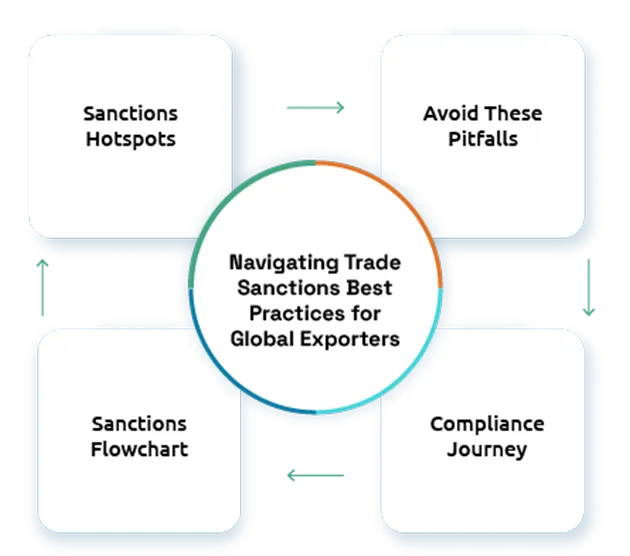
To adapt to these changes, exporters must stay informed about evolving trade rules and compliance requirements. Understanding regional trade agreements helps businesses reduce risks and avoid delays. Flexible supply chains and strong logistics planning are also essential. This approach allows exporters to benefit from growing demand while staying compliant with regional policies.
How Trade Sanctions Affect International Export Operations
Export operations may become more challenging as a result of trade restrictions, which involve more rules and checks. Before shipping goods, businesses may require extra documents, government clearances, or specific licensing. Customs inspections and delivery times may also be delayed by trade restrictions. Exporters must stay up to date on the most recent rules, carefully check each shipment, and follow to all compliance rules in order to maintain efficient cross-border trade. By doing this, delays, fines, and issues with international shipping are reduced.
On-Time and Customized Solutions on Every Consignment
We know the importance of timely delivery, particularly for high-value items with complicated sanctions. We plan our logistical undertakings so that they arrive on schedule and keep any disturbance minimal by not encountering any delays due to customs or regulatory holds. We develop unique solutions that fit each shipment’s specific requirements, considering peculiar limitations and compliance demands related to trade sanctions. Our tailor-made solutions to each shipping delivery can assist in making the process of logistics smoother so that your products safely and conveniently reach their destination despite all the difficulties with international trade regulations.
Conclusion
The key to success in global trade in the context of trade sanctions is an intelligent international logistics code and knowledge of the legal restrictions. Using the expertise of people with experience in dealing with the intricacies of trade, exporters can safely avoid risks and deliver high-value equipment according to the scheduled deadline. At One Union Solutions, we ensure that the logistics solutions we offer focus on compliance and efficiency, providing a safe and timely delivery of your shipments to the destination. Our time is dedicated to removing the complexity of working through cumbersome rules so you can generate a profitable company without any worries or disputes.
Did You Know,
Global goods trade is estimated to have reached approximately US$13.7 trillion in the first half of 2026, up 12.5 % from the same period in 2025.
FAQs
What are common trade sanctions on high-value equipment exports?
Trade sanctions may include export bans, higher tariffs, or restrictions on selling certain goods or services. These rules are often applied to specific countries or entities and can impact sectors like aviation, medical devices, and IT equipment.
How can exporters ensure they follow trade sanction rules?
Exporters can stay compliant by working with trade experts, checking rules for each destination country, completing proper background checks, and keeping all shipping documents accurate and updated.
Which products are most affected by trade sanctions?
High-value and sensitive products such as medical devices, aircraft parts, IT infrastructure, and luxury vehicle components are more likely to face sanctions because they require strict controls.
Do trade sanctions cause export delays?
Yes, sanctions can lead to delays due to extra inspections, approval requirements, or clearance checks. Following regulations carefully can help reduce these delays.
How can exporters and logistics companies manage trade sanctions effectively?
Logistics providers can support exporters by offering compliance guidance, handling customs processes, using real-time shipment tracking, and creating solutions that meet international trade restrictions.