Brief Overview of Intermodal Transportation
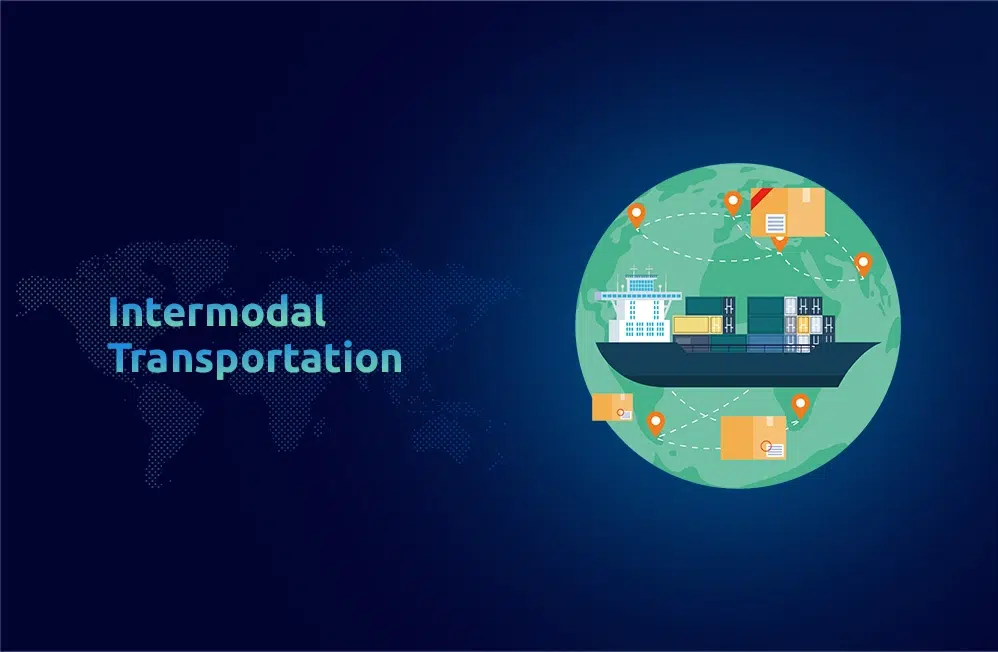
Multi-purpose transportation alludes to the utilization of various methods of transport like road, rail, sea, and air to move products from beginning to objective. This technique uses the qualities of every transportation mode, making a consistent interaction that boosts effectiveness and adaptability. For example, shipments might begin with a truck, move to rail for significant distance pulling, and wrap up with a last conveyance by truck. Each phase of transportation supplements the following, empowering organizations to smooth out their coordinated factors while upgrading travel times. About worldwide exchange, multi-purpose transportation has become significant, particularly as organizations request quicker, savvy, and dependable ways of moving products across borders.
What is Intermodal Transportation?
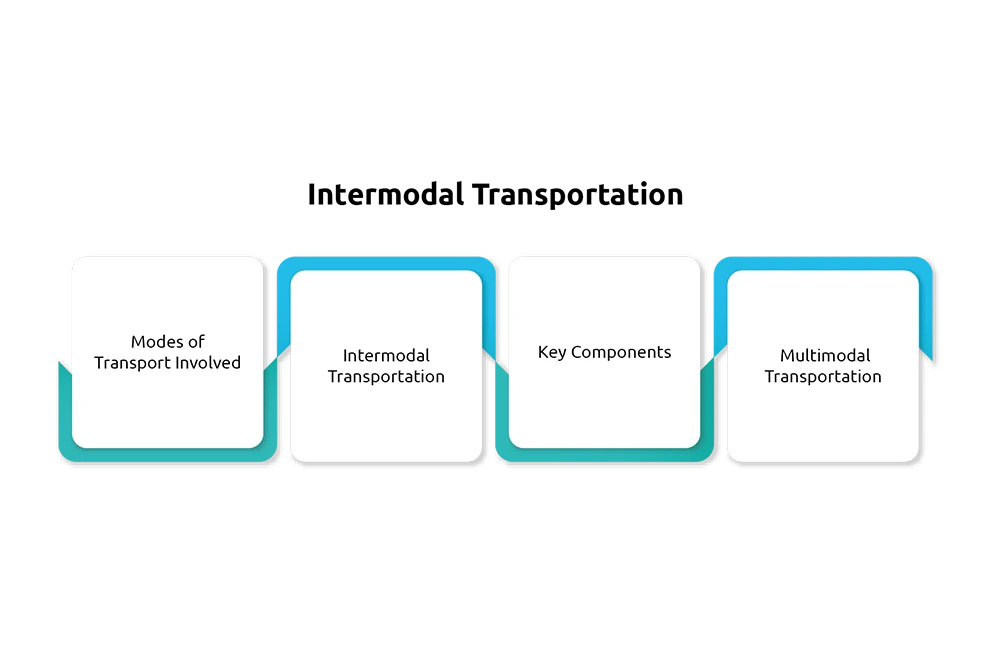
Multi-purpose transportation is a coordinated operations approach that uses different methods of transport like trucks, trains, boats, and planes to move merchandise proficiently starting with one area and then onto the next. This cycle begins with an underlying pickup, frequently by truck, which transports products to an assigned rail terminal or port. From there, shipments may travel over long distances by rail or sea, benefiting from the cost-efficiency and capacity of these modes. When they reach the destination country, goods are transferred back to trucks or other appropriate transport for final delivery. This seamless transition between transportation methods is designed to optimize efficiency and keep costs low. By coordinating different modes, multi-purpose transportation limits dealing with time and further develops speed, making a dependable answer for moving merchandise over significant distances and across borders.
Why Shipment Visibility Matters in Intermodal Transportation?
Shipment tracking plays an important role in keeping multi-model shipping effective & reliable.Live tracking allows businesses to track cargo as it moves across different shipping modes, helping identify transit delays before they affect delivery schedules. Improved visibility also supports better planning, stronger communication between logistics partners, & faster responses to sudden delay. This leads to greater supply chain clarity & more reliable cross-border shipments.
Benefits of Intermodal Transportation in Imports and Exports
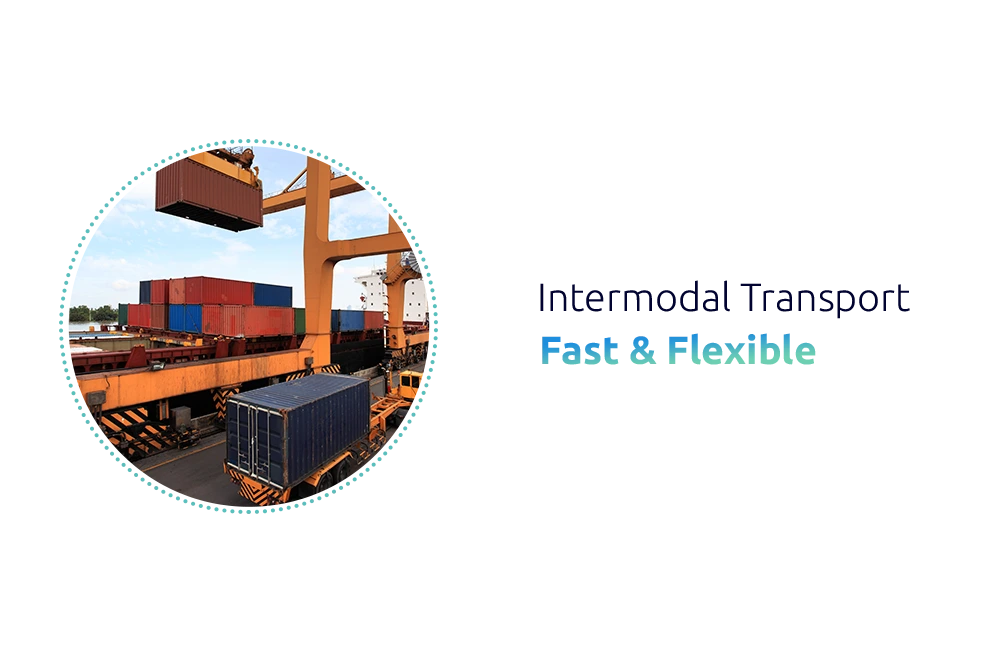
Intermodal transportation offers huge benefits in the global supply chain, especially for organizations associated with import-export. By utilizing various vehicle modes, organizations can scale their transportation tasks as indicated by request, profiting from cost investment funds and quicker conveyance times. This technique is great for streamlining travel courses, as it permits products to traverse huge locales financially while limiting deferrals. In import-export logistics, where timely deliveries are essential, intermodal transportation provides the flexibility to choose the most efficient routes and the right transport combination for each shipment.
The Role of Importer and Exporter of Record Services in Intermodal Transportation
An Importer of Record (IOR) is a help that deals with the compliance, documentation, and customs prerequisites important to lawfully bring products into a country. The IOR goes about as the authority importer, dealing with liabilities, for example, checking import licenses, guaranteeing expense and obligation, and exploring complex traditional guidelines. For organizations engaged with worldwide delivery, this job is critical to keeping up with smooth, agreeable multi-purpose activities. By characterizing the importer as the party in question for all import-related exercises, IOR administrations limit the gamble of customs delays and rebellious punishments, which are normal difficulties in cross-line coordinated factors.
Exporter of Record (EOR) Services in Global Exports
The Exporter of Record (EOR) is an equally essential service for companies engaged in international exports. Acting as the official entity responsible for export compliance, the EOR manages all regulatory requirements, ensures that documentation aligns with destination country standards, and fulfills all necessary customs obligations. EOR services simplify complex export processes, particularly for businesses shipping goods across multiple international borders.
How Intermodal Transportation Supports Key Industries
Medical Equipment Industry
The medical industry depends vigorously on the ideal and secure vehicle of gear,delicate supplies. With clinical products, keeping up with quality is fundamental, so joining multi-purpose transport with Importer of Record (IOR) and Exporter of Record (EOR) administrations guarantees that merchandise satisfies administrative guidelines across borders.
Aviation Sector
The aviation sector relies upon fast, secure conveyance of specific parts and hardware, frequently with complex administrative prerequisites. IOR and EOR services further ensure that aviation components comply with strict regulatory standards, reducing the risk of customs delays or fines.
IT Industry
Intermodal transportation is a distinct advantage for the IT business, which often delivers significant and delicate gear, for example, servers and server farm frameworks. Additionally, high-value IT shipments benefit from white glove delivery services for safe, unpacked setup at final destinations.
Automobile Sector
The automobile industry depends on multi-purpose transport for the proficient development of the two sections and completely gathered vehicles. Multi-purpose arrangements empower vehicle producers to keep their inventory chains moving flawlessly by choosing the best courses and modes for each stage, whether by rail, ocean, or truck, to streamline expenses and time.
Conclusion
Intermodal transportation is a modern freight logistics service that combines multiple logistics methods, road, rail, sea, and air to move goods effectively across global supply chains. By combining Importer of Record and Exporter of Record services, businesses can confirm agreement with international trade regulations, manage import duties and tariffs effectively, and simplify the customs process. The Exporter of Record definition highlights its role in overseeing export approval and documentation, confirming smooth cross-border work. Also, intermodal transportation and IOR/EOR services increase cost efficiency, reduce shipping delays, and improve global trade logistics for industries such as IT, medical equipment, aviation, and automotive.
DID YOU KNOW
According to the U.S. Bureau of Transportation Statistics (2025 Annual Report), U.S. freight moved through multiple transportation modes totaled approximately US$3.33 trillion in value, highlighting the growing importance of intermodal transportation in global supply chains.
FAQs
What is intermodal transportation?
Intermodal transportation combines multiple modes of transport, such as road, rail, sea, and air, to move goods efficiently across long distances, optimizing cost and speed.
How do Importer of Record (IOR) services work?
IOR services manage compliance, customs documentation, and regulatory requirements for imports. The IOR is responsible for ensuring goods meet legal import standards and clear customs smoothly.
What is the role of the Exporter of Record (EOR)?
EOR services oversee export compliance, ensuring shipments meet all regulatory requirements and facilitating the export process by handling documentation, tariffs, and duties.
Why are IOR/EOR services important for intermodal shipping?
IOR/EOR services help businesses navigate complex international regulations, ensuring smooth customs clearance and compliance, which is crucial for efficient intermodal transportation.
Which industries benefit most from intermodal transportation?
Industries like Medical equipment, Aviation, IT, and Automobile rely on intermodal transportation for timely, cost-effective delivery of goods, requiring flexibility and compliance for smooth global trade operations.