Overview
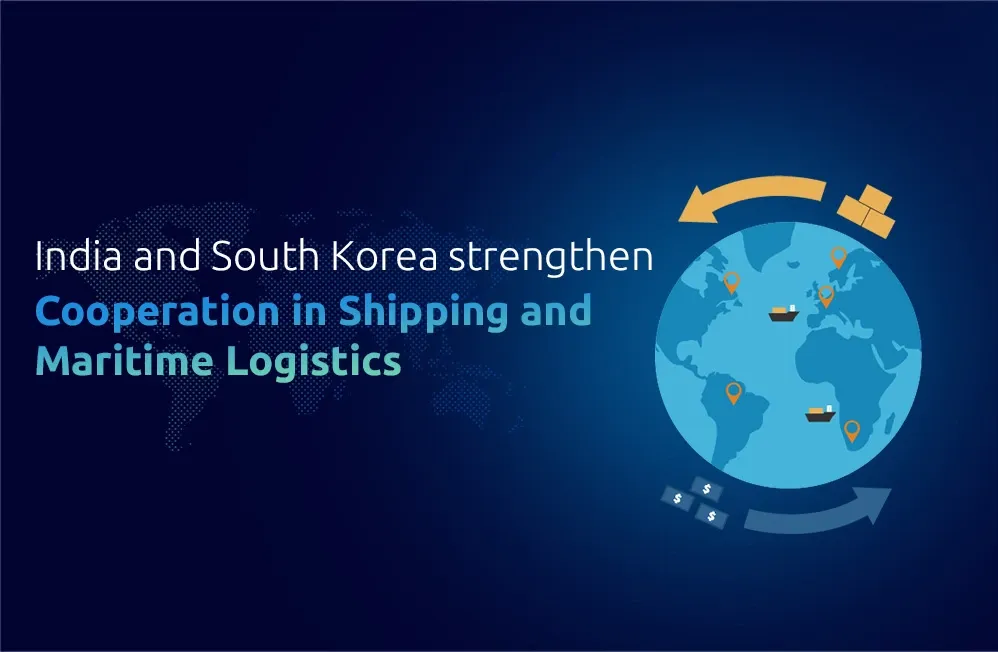
In 2026, global trade is witnessing a stronger push toward strategic partnerships, and the growing cooperation between India and South Korea in shipping and maritime logistics stands as a significant example. Both nations are key players in international trade, with India serving as a major emerging market and South Korea being a global leader in shipbuilding, technology, and export-driven industries.
This collaboration is driven by mutual interests in enhancing trade efficiency, strengthening maritime connectivity, and improving port infrastructure. As global supply chains become more complex, partnerships like these help businesses achieve faster transit times, better compliance, and improved operational reliability.
For companies engaged in import-export operations—especially in IT, aviation, medical equipment, and automotive sectors—this cooperation opens new opportunities for growth and efficiency.
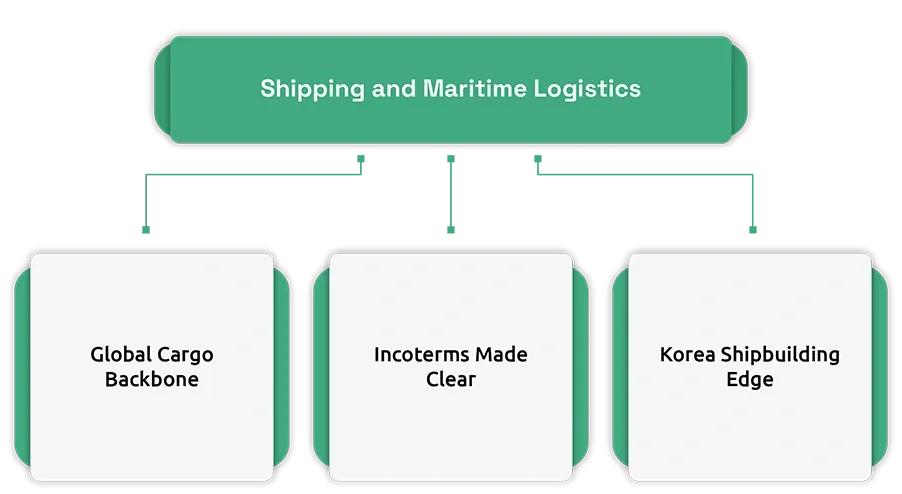
Shipping and Maritime Logistics
Shipping and maritime logistics are really important for trade. They take care of most of the global cargo movement. We need maritime systems to transport big things like bulk goods and industrial equipment and also things that are very valuable like high-value components across continents. Shipping and maritime logistics play a role in this.
India has been actively investing in port modernization, digital shipping solutions, and coastal infrastructure. On the other hand South Korea has good shipbuilding skills plus they also have port tech and strong maritime, these strengths work well together to make trade routes better and cut down on delays.
When it comes to running a business people need to have simple and easy to follow paperwork they need to follow the rules. They need to be able to handle cargo quickly. This is where having a plan in place is really important, like getting goods through customs and using systems, like the HS code and the HTS harmonized tariff schedule. The HS code and the HTS harmonized tariff schedule help make sure that goods can move from one place to another without getting stuck. Businesses use the HS code and the HTS harmonized tariff schedule to keep things moving.
Additionally, adopting globally accepted trade terms such as Incoterms helps define responsibilities between buyers and sellers, reducing confusion in international transactions. Combined with strong inventory and order management systems, companies can maintain better control over their shipments and reduce operational risks.
India and South Korea Strengthen Cooperation
The partnership between India and South Korea is expanding across multiple dimensions, including port development, maritime security, and shipping connectivity. Joint initiatives are being undertaken to improve port efficiency, reduce turnaround times, and enhance digital integration in shipping operations.
Korean companies are putting more money into Indian ports and shipbuilding projects. Indian businesses are getting technology from South Korea. They are trading lectors like automotive components, electronics, and industrial machinery. Korean companies and Indian businesses are working together and this is good for both of them.
For businesses that import and export goods this means they can rely on shipping routes that work well and fit better into supply chains. Services like importer of record and exporter of record become very important, in handling compliance and making cross-border transactions go smoothly and this leads to integration into the global market.
Moreover, the growing trade relationship encourages the use of advanced tools like the best trade compliance software for import export rules, helping businesses navigate complex regulations with ease. This is really important, for industries that handle goods or things that are very valuable like medical equipment and the parts that are used in airplanes.
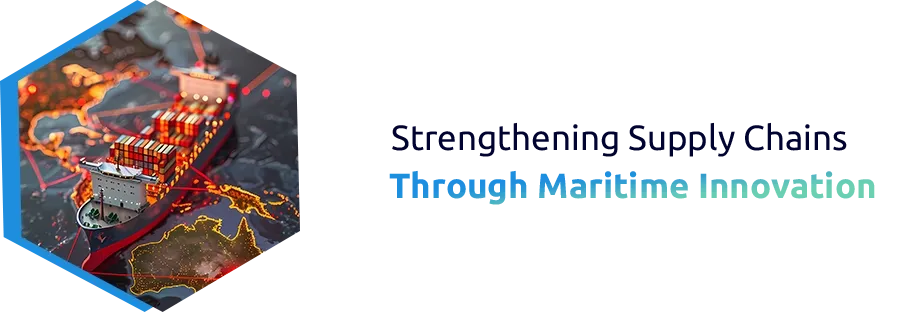
Strengthening Supply Chains Through Maritime Innovation
One of the things to come out of this cooperation is the focus on innovation in maritime logistics. They are putting money into ports, machines that can do jobs by themselves and computer systems that keep track of things to make maritime logistics work better and be more open. Maritime logistics is really going to benefit from this. They are using computer systems to track things in logistics and make it work smoother.
These advancements help businesses to optimize their supply chain and enable companies to get goods to customers and is done by cutting down on transit times and minimizing disruptions. Data integration also allows them to make choices With real-time tracking businesses can keep an eye on their goods.
For sectors like IT and automotive, where timely delivery is critical, these improvements provide a competitive advantage. Similarly, the aviation and medical industries benefit from faster and more secure transportation of essential components and equipment.
The collaboration also focuses on being good to the environment with both countries looking into shipping methods that’re easy on the eco-friendly shipping solutions and greener port operations. This is in line with what the whole world’s trying to do, which is to cut down on bad things we release into the air and make sure we trade in a way that is fair and responsible.
Conclusion
India and South Korea are working together closely in the area of shipping and maritime logistics. This is a deal for global trade. India and South Korea are using what they are good at, like roads and ports, computers and ships to make trade easier and stronger. India and South Korea are making a system that helps things get from one place to another in a way.
This partnership is really good for businesses that import and export things, in the IT, aviation, medical and automotive industries. It helps these businesses do things better, reduce problems and sell to people.
Companies can use systems, new technologies and shipping networks that work well to help them succeed for a long time in a world where trade is always changing. The import-export businesses can really benefit from this partnership. It can help them do things more efficiently.
DID YOU KNOW
“India highlighted its ambitious plan to procure over 400 vessels in the coming years, with an estimated value of Rs 2.2 lakh crore (approximately USD 25 billion).”
FAQs
- Why are India and South Korea strengthening maritime cooperation?
To improve trade efficiency, enhance port infrastructure, and strengthen global shipping connectivity. - How does this partnership benefit import-export businesses?
It provides faster shipping routes, better compliance systems, and improved access to global markets. - Which industries benefit the most from this cooperation?
Key sectors include IT, automotive, aviation, and medical equipment due to their reliance on efficient shipping. - What role does technology play in this partnership?
Smart ports, automation, and digital tracking systems improve transparency and operational efficiency. - How does this impact global trade in 2026?
It strengthens supply chains, reduces transit times, and supports sustainable and reliable trade practices.