Introduction: Early Curiosity Meets Practical Reality
The idea of humanoid robots has also brought about enthusiasm to the field of logistics, since it can revolutionize the concept of dealing with and moving specialized equipment. These robots imitate human movements and decision-making and guarantee that complex tasks that involve precision, adaptability, and flexibility will be automated. Their ability to navigate warehouses, pick and pack goods, and transport goods safely is a peek into the future where machines control the process. However, the question of whether they can eliminate human capabilities, particularly in sensitive and high-value shipment handling, is doubtful. This blog investigates these robots’ potential and the cases that continue to overlook their large-scale adoption.
How Are Robotic Systems Modifying the Future of Logistics Operations?
Modern robotic systems are changing logistics by improving warehouse speed, accuracy, & safety. These system help manage routine tasks, support human teams, & improve supply chain efficiency. As robotics develops, businesses are analyzing new ways to combine automation with human expertise for more smooth operations.
Breaking the Data Silos to Smoother Operations
Proper logistics management involves smooth communication and data sharing. Isolated systems result in the existence of data silos where data is held up in closed departments or applications. This causes delays, redundant work, and mistakes, which are particularly important when working with sensitive equipment. Integrating freight forwarder, customs broker, and importer of record data is accurate and helps speed up customs clearance. Some codes, such as HS and ECCN, are very important in compliance. These silos can be eliminated to improve operational visibility and accelerate decisions.
How to handle disruption: The Secret of Integration
Logistic shocks include weather delays, regulatory changes, and port congestion, which pose continuous risks. The integration of platforms links all the participants in real time, which allows problem-solving to occur proactively. Freight forwarder, customs broker, and importer of record will be in direct contact with each other via shared data streams and can adapt easily. This smooth integration takes logistics to the strategic management phase rather than as a firefighting effort, as the shipments keep pace even in dynamic markets. Managing incoterm duties, such as DDP, is easier and eliminates confusion about duties and responsibilities.
Central Control: Digital Freight Platforms
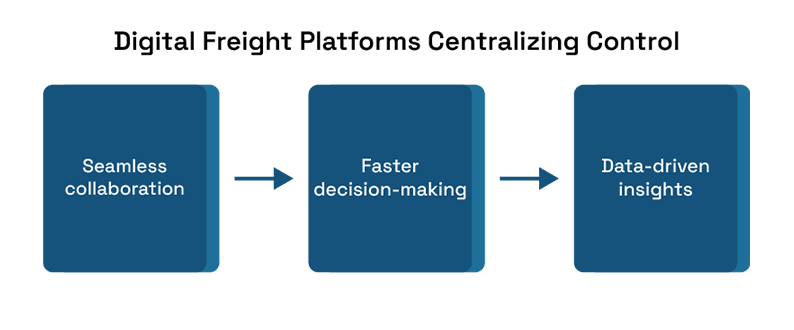
Digital freight is a central command centre that organises all logistics operations- booking shipments, tracking deliveries, and managing customs documentation. These platforms facilitate easy working together where freight forwarder, customs broker, and importer of record are always on the same page due to real-time updates.
For example, when customs digitally clears a shipment, the freight forwarder gets instant notification, allowing the shipment to be picked up quickly, & preventing the need to pay a high cost of storing the shipment.
Live compliance & shipment data would allow logistics professionals to make quick, informed decisions and avoid delays. These platforms have advanced analytics, which detect recurring problems and provide more efficient routing paths, enhancing delivery schedules.
The cargo movement speed is accelerated by automating data exchange in each stage and removing delays and human errors. The other positive effect of improved transparency is that warehouses can adjust their inventory and staffing according to real-time demand, resulting in greater customer satisfaction.
Where Are Humanoid Robots Headed?
Humanoid robots have been seen with benefits such as inexorable consistency and the capability of executing jobs that involve dexterity in humans. They will help pick and transport small items and repetitive tasks in the warehouse. Nevertheless, these issues still exist due to high initial expenses, the need to connect with warehouse management systems, and robot adaptation to complex and unstructured environments. In the meantime, their application complements human work, especially with sensitive equipment requiring expertise.
Enhancing Client Experience with Technology
Modern clients demand transparency and instant communication. Integrated logistics solutions address these needs through delivery services that are time-sensitive and precise, shipment tracking in real-time, and integration of the warehouse with freight operations. White glove logistics provide an additional service, including premium handling, packaging, and installation services on site, where sensitive equipment has been delivered in ready-to-use condition.
Market Insight: Technology Adoption and Efficiency Gains
Data shows that over 70% of logistics firms that use integrated platforms report operational efficiency gains of up to 30%. Investment in logistics automation is growing rapidly to meet the rising demand for reliable handling of specialized equipment. These tools, paired with emerging humanoid robotics, are reshaping the future of logistics.
Conclusion
Humanoid robots introduce new and exciting possibilities to the logistics field and disclose practical constraints. In the meantime, there is already a transition to integrated digital platforms that will transform the movement of shipments by increasing collaboration, compliance, and transparency. In One Union Solutions, we not only deliver such innovations with efficient freight forwarding, customs brokerage, warehouse management, and white glove delivery to maneuver the intricacies of moving sophisticated equipment. We have your shipments covered so that our methods are secure, clear, and timely, and your business can be competitive.
Did You Know,
By 2025, more than half of logistics pilot projects in major markets will employ humanoid robots for material handling and quality inspection tasks.
FAQ’s
What tasks can humanoid robots perform in logistics?
Material handling, package sorting, fragile item transportation, and quality checks.
How does integrated technology improve customs clearance?
By automating document verification and ensuring accurate tariff classification using the HS code.
Why is real-time data sharing vital in logistics?
It improves coordination, speeds decision-making, and reduces errors.
What are the benefits of Incoterms like ddp?
They clarify which party is responsible for duties, taxes, and customs procedures.
What does white glove delivery include?
Careful packing, secure transport, real-time tracking, and onsite installation support for sensitive shipments.