
Introduction
The pandemic exposed the issues of global healthcare logistics, showing gaps in flexibility. In 2025, the healthcare supply chain is changing with advanced technologies, stronger approval systems, and a renewed focus on global trade facilitation. Today’s medical logistics ecosystem depends on strong freight forwarding services, effective customs clearance support, and smooth integration of import-export registration and agreement with international export regulations. As global health systems continue to grow, healthcare providers and biotech organizations mostly depend on Delivered Duty Paid logistics, Importer of Record services, and Comprehensive import-export support for shipping of necessary medical goods across borders.
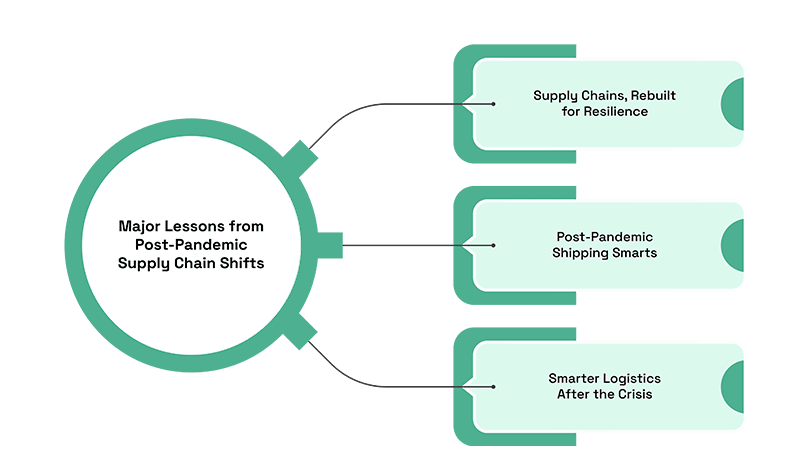
Major Lessons from Post-Pandemic Supply Chain Shifts
One of the biggest learning from the pandemic is the importance of supply chain variation. Depending on a single source or region for critical medical supplies led to massive shortages. In 2025, organizations are strengthening global supply chain services through decentralized warehousing and various logistics chains. Healthcare logistics providers have also learned to work closely with Incoterms and regulatory systems such as HS Code and HTS harmonized tariff classifications to confirm accurate documentation and reduce customs delays. The use of Delivery Duty Paid (DDP) and Delivered at Place (DAP) terms has increased, helping hospitals and buyers receive shipments with reduced administrative load. Also, the generalized system of preferences continues to be used for the shipping of medical goods between developing countries, confirming affordable and easy import-export work.

Healthcare Logistics Trends for 2025
The future of healthcare logistics is increasingly tech and flexible. Automation, live tracking, and AI-powered forecasting are helping healthcare organizations anticipate disruptions and plan. In 2025, the improvements are in smart warehousing, temperature-controlled freight forwarding services, and White Glove Delivery for high-value medical equipment and biologics. Medical logistics now combines Global supply chain services with export customs brokerage to maintain regulatory agreements across multiple countries. This confirms consistent standards, whether it’s medical supplies, laboratory reagents, or imaging systems. Also, Delivered Duty Paid service and Importer of Record services are being widely used to simplify import-export business methods and reduce approval risks in global shipments.
Medical Supply Chains Are Complex and Increasingly Internationalized After the Post-Pandemic
After the pandemic, the medical supply chain has become more internationalized. Healthcare suppliers now work with global freight forwarding to manage logistics from manufacturing hubs in Asia and Europe to North America and Africa. The use of standardized Incoterms, such as DAP and DDP shipping confirms clear responsibility between buyers and sellers, improving work and responsibility. Also, approval with HS Code and HTS harmonized tariff systems is necessary to avoid shipment delays and fees. As supply chains expand, Comprehensive import-export support, such as import-export registration, Export register agreement, and Customs clearance support, has become a vital part of the healthcare logistics strategy. These efforts increase transparency and allow Global trade facilitation in the post-pandemic world.
How to Reinforce the Healthcare Supply Chain, Post-Pandemic
Strengthening the supply chain requires a combination of guidelines, digital changes, and flexible logistics partnerships. Investing in advanced supply chain visibility tools helps estimate demand flow, while freight forwarding services confirm on-time delivery across the region of vital medical goods. Healthcare organizations should work with trusted Importer of Record service suppliers and use Delivered Duty Paid logistics methods to manage taxes, duties, and import documentation effectively. These approaches simplify approval with International export regulations and reduce working delays. Also, adopting White Glove Delivery for sensitive medical instruments confirms safe, damage-free management from origin to installation. Strengthening ties with Global supply chain services also provides flexibility, necessary for any future health issues.
Conclusions
The healthcare logistics landscape in 2025 shows both the lessons learned and innovations developed since the pandemic. Greater focus on DDP shipping, Incoterms approval, Customs clearance support, and Importer of Record services, the medical supply chain is clearer, technology-enabled, and globally worked. By combining Comprehensive import-export support, freight forwarding services, and White Glove Delivery, healthcare organizations can confirm that surgical goods reach their destinations effectively and safely. The post-pandemic changes have not only strengthened the importance of logistics in healthcare but also created a smarter, more flexible, and truly global supply chain ecosystem.
DID YOU KNOW?
At the height of the crisis, production in manufacturing hubs, particularly in China, fell by an estimated 13.5%, underscoring the reliance on a single location for essential goods.
FAQs:
What are the main lessons learned in healthcare logistics after the pandemic?
The pandemic revealed the need for diverse supply chains and strong logistics partnerships. In 2025, healthcare providers focus on decentralized warehousing, DDP shipping, and robust Importer of Record (IOR) services to prevent disruptions.
How are technologies improving healthcare logistics in 2025?
Automation, AI forecasting, and smart warehousing systems are enhancing visibility and efficiency. These technologies enable real-time tracking and predictive demand management across international healthcare supply chains.
What role do Incoterms like DDP and DAP play in medical logistics?
Incoterms such as Delivered Duty Paid (DDP) and Delivered at Place (DAP) simplify global medical shipments by clearly defining responsibility for customs, taxes, and delivery, ensuring smooth international logistics.
Why are Importer of Record (IOR) services important for healthcare shipments?
IOR services ensure regulatory compliance when shipping medical equipment across borders. They manage import licenses, taxes, and customs clearance, allowing healthcare companies to focus on patient care rather than paperwork.
How can healthcare organizations strengthen supply chains post-pandemic?
They can invest in visibility tools, collaborate with trusted freight forwarding companies, use DDP logistics, and adopt White Glove Delivery for delicate medical devices, ensuring safety, compliance, and reliability worldwide.