
Introduction
In today’s trade environment, businesses regularly import goods from the USA to the UK. If it’s for technology or manufacturing, knowing customs laws is necessary for smooth cross-border movement. A clear hold of the customs clearance process, import-export documentation, and applicable import duties and tariffs confirms that goods move effectively through borders without unnecessary delays. Dependable international freight services and freight forwarding logistics approach also play a vital role in confirming agreement with the UK’s import laws and Incoterms.
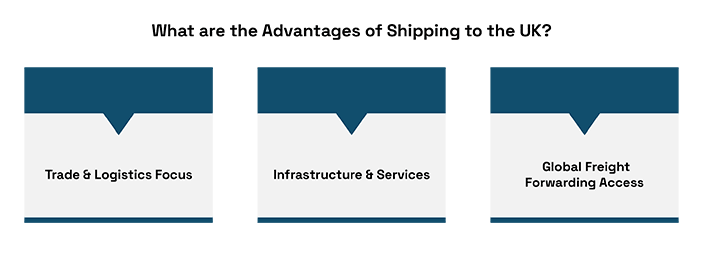
What are the Advantages of Shipping to the UK?
The United Kingdom remains one of the world’s most attractive destinations for trade due to its strong economy, transparent logistics system, and well-developed logistics and warehousing chain. Businesses importing from the USA benefit from a predictable regulatory system, advanced supply chain management, warehousing, and access to multiple global freight forwarding companies.
In addition, the UK’s modern air freight shipping and sea freight services make it easy to move everything from electronics and medical devices to automotive parts and goods. Many companies also use warehousing and distribution services, including cold storage warehouses, to manage inventory effectively before final delivery. For high-value or sensitive shipments, options like white glove shipping services and premium delivery service ensure safety and precision during last-mile delivery white glove operations.

How Much is the United Kingdom Import Duty from the USA to the UK?
Import duties change depending on the product type and its categorized under the HS Code These codes help identify the correct import duties and tariffs applicable to your shipment. The UK’s import duty rate ranges between 0 to 25%, depending on the location of goods.
Some goods may also qualify for duty deduction under the Generalized System of Preferences or long-term trade arrangements. Organizations working with expert freight forwarding logistics or customs brokers can confirm accurate categorizations and affordable shipment management under the correct Incoterms.
What Do I Need to Be Able to Import from the USA to the UK?
Importing goods into the UK requires approval with many major regulations and proper documentation. Importers must have:
- A Valid UK EORI Number: important for all commercial imports to clear customs.
- Accurate HS / Commodity Codes: proper classification sets your tax cost and meets legal requirements.
- Safety and Security (ENS) Filings: Since early 2025, these forms have been required for every shipment entering the UK.
- UKCA Safety Marking: Certain products must have this mark to prove they are safe to use in the UK.
- Shipping terms: Use terms like DDP or DAP to decide if the buyer or seller pays the taxes and fees
Partnering with a dependable freight forwarding company or IOR service provider simplifies the process. They support everything from air freight shipping and sea freight services to cargo management and storage, confirming shipments meet all import approval standards. Many importers also depend on warehousing and distribution services or cold storage warehouses to store goods safely before they enter the retail or production supply.
Why is Customs Clearance Support Important?
Customs clearance support helps businesses ensure that all import documentation & procedures are managed correctly before goods enter the UK. It reduces the chances of shipment delays, penalties, & incorrect duty calculations. Expert support also helps in proper HS code classification & smooth VAT processing. This service is especially useful for companies importing high-value or regulated goods like electronics, medical devices, & automotive parts. Working with experienced logistics partners improves efficiency & makes sure faster clearance at UK ports.
Conclusion
Importing goods from the USA to the UK requires attention to detail, regulatory understanding, and major logistics planning. From managing import duties and tariffs to confirming VAT agreements, the process becomes smoother when supported by expert partners in global freight forwarding and freight forwarding logistics solutions.
Businesses that use complete logistics and warehousing, white glove shipping services, and premium delivery services can simplify their supply chains while maintaining quality and approval. If you are importing electronics, medical equipment, or automotive components, following the right customs regulations confirms your goods reach their destination effectively and affordably.
DID YOU KNOW?
UK customs regulations require all imports from the USA to follow strict compliance rules, including correct HS code classification, customs declaration submission, and payment of applicable import duties and 20% VAT before goods can be cleared for entry.
FAQs:
Q1. What documents are needed to import goods from the USA to the UK?
To import goods, you’ll need an EORI number, a commercial invoice, a packing list, a bill of lading or airway bill, and product classification under the HS Code
Q2. How are import duties calculated for goods entering the UK from the USA?
Import duties depend on the HS Code classification and product category. The rate usually ranges from 0% to 25%, and some goods may qualify for reduced duties under trade agreements or the Generalized System of Preferences (GSP).
Q3. Is VAT applied to imports from the USA to the UK?
Yes. The standard 20% VAT applies to most imports. It’s calculated on the total shipment value, including the cost of goods, freight, and insurance.
Q4. Can I reclaim VAT on imported goods from the USA?
If you’re a VAT-registered UK business, you can reclaim VAT paid on imports, provided the goods are used for business purposes and recorded correctly in tax filings.
Q5.What are the new import rules for the UK?
From 2025 onwards, the UK requires enhanced safety and security declarations for all imported goods, including shipments from countries like the USA. These rules ensure better customs control, faster clearance, and improved trade compliance for international shipments.