
Ready to ship smarter, faster, and cheaper from the USA?
Unlock smooth international delivery with One Union Solutions freight forwarding service and customs brokerage. Optimize your next shipment today!
International Trade Overview and Major Hubs
The US is one of the largest global exporters, with strong global trade partners in Europe, Asia, and the Americas. Some ports that manage export and import cargo such as the Los Angeles Port and Long Beach, the Port of New York, and the ports of New Jersey and Savannah. For air freight, top airports such as Chicago O’Hare Airport, Los Angeles Airport, and Miami Airport work as major logistics hubs. In 2024, U.S. exports in the IT industry exceeded $300 billion, with semiconductors and software being the top-performing sectors. The aviation industry saw high-value exports such as aircraft parts to the UK and EU, while the medical sector contributed over $160 billion in exports, such as diagnostic equipment and surgical tools. The automotive sector exported over 120 billion USD worth of vehicles and parts, mainly to Canada, Mexico, and Germany. These looks highlight the country’s role as a major player in global supply chains across multiple industries, using its ports and airports for freight forwarding services under generalized system of preferences (GSP) agreements where applicable.
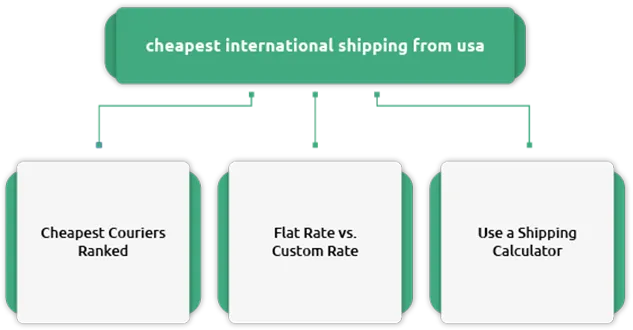
Key Services for the cheapest international shipping from usa
IOR Service
An Importer of Record is a third party legally responsible for confirming that imported goods follow the destination country’s laws. The Importer of Record service provides benefits such as confirming approval with local import laws, cutting hidden costs from delays or improper filings, and allowing companies to expand into new markets.
EOR Service
An Exporter of Record is the legal entity responsible for ensuring goods exported from the USA meet all U.S. export compliance requirements, including licenses, filing AES (Automated Export System) declarations, and verifying export controls.
DDP Service
DDP Incoterm, the seller takes full responsibility for delivering the goods to the buyer’s door, including all shipping charges, insurance, customs clearance, duties, and taxes. The DDP service offers benefits such as improving buyer satisfaction and trust, minimizing delays at customs due to clear cost responsibilities.
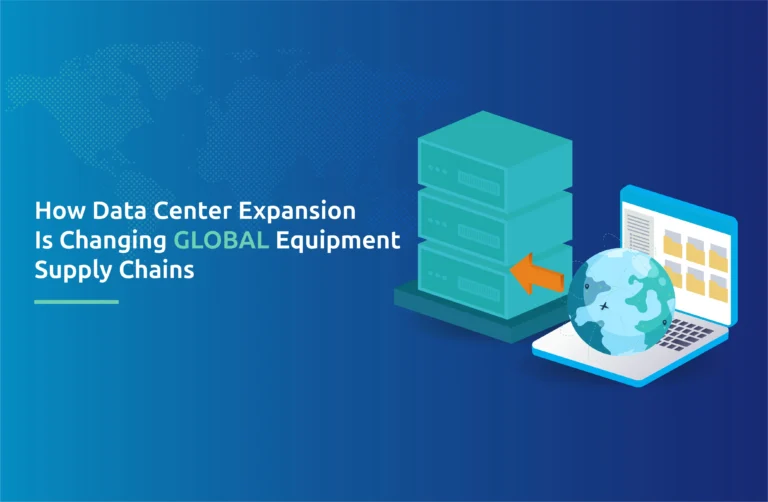
Data Center
This Data Center provides logistics services for shipping, installing, storing, and maintaining sensitive IT hardware like servers, racks, and networking equipment. The DDP service offers benefits such as ensuring the safe handling of sensitive equipment.
Industry-Specific Import-Export Insights
Each industry has its cross-border shipping details. Let’s get to know in detail about which industry is mostly imported and exported in the USA:
- IT Sector: The USA exports IT hardware to the United Kingdom, Germany, and Japan. Shipments frequently include sensitive components requiring fast and insured freight forwarding.
- Aviation: Aircraft parts are major U.S. exports to the UK and EU nations. These parts are delivered under DAP or DDP norms using air forwarding to Heathrow or Frankfurt.
- Medical Industry: Medical equipment and boitech are shipped to Canada, Europe, and Australia. Approval with HTS and correct HS code declaration is important for smooth customs clearance.
- Automotive: Vehicles and parts are imported/exported across NAFTA and EU markets. The Port of Baltimore and the Port of Brunswick were chosen for their simplicity.
- Each industry varies in its preferred mode and terms of shipping. Such as, cheap international delivery of IT parts might use express shipment, whereas automotive exports depend on sea routes and long-term combined planning with experienced forwarders.
- Organizations looking for the lowest shipping fees can also use the cheapest way to mail a package through heavy freight forwarding services.

Shipping Process: From Packaging to Delivery
The shipping process usually starts with packaging, where goods are labeled with the correct HS Code (called the HTS code in U.S. customs). Accurate labeling ensures faster customs clearance and avoids paying extra taxes. After packaging, items are sent to warehouses or export centers, where they are grouped and scheduled for shipping by freight forwarders. At the port or airport, a customs broker handles all export paperwork, manages duties and taxes, and makes the clearance process easier, often using Incoterms like DAP or DDP, depending on the agreement between the buyer and seller. Clearance fees usually start around $50–$150 for standard shipments and may increase for higher-value or complex cargo. For cost-effective shipping, businesses can choose options like economy post services or discounted UPS shipping, while DDP shipping simplifies the process by including all charges in one payment and providing clear pricing.
Conclusion:
The US uses major ports and airports to export IT, aviation, medical, and automotive goods globally. Services such as IOR, EOR, and DDP confirm agreement, cost clarity, and smooth customs clearance, helping organizations ship goods cheaply and effectively under GSP rules.
DID YOU KNOW?
Gross domestic product (GDP) per capita in the United States from 1987 to 2024, estimated to 2030. In 2024, the gross domestic product per capita in the United States was nearly US$85,812.18.
FAQs:
Q1: What is the cheapest way to ship a 5 kg package from the USA internationally?
The most affordable option is usually economy air freight or sea freight, depending on the destination. Using courier platforms with discounted rates or freight forwarders that combine shipments can reduce costs by 20–30%.
Q2: How do HS Codes and HTS codes work for U.S. export shipments?
HS Codes are used worldwide to identify products, while the U.S. applies HTS codes for customs clearance. Using the correct codes helps apply the right duties, avoid delays, and ensure smooth customs processing.
Q3: What do DAP and DDP mean in shipping?
Under DAP (Delivered at Place), the buyer pays customs duties and taxes. With DDP (Delivered Duty Paid), the seller covers all costs, including duties and taxes, making pricing clear and easier for the buyer.
Q4: Which U.S. ports and airports are commonly used for international shipping?
Major seaports include Los Angeles, Long Beach, New York/New Jersey, and Savannah.
Key airports include Los Angeles (LAX), Chicago O’Hare, Miami, and Dallas–Fort Worth, especially for urgent or high-value shipments.
Q5: How can businesses reduce international shipping costs from the USA?
Companies can lower costs by using consolidated freight, applying the correct Incoterms, using GSP benefits where available, and choosing shipping methods based on weight, urgency, and cargo value.