Insight
In the current volatile supply chain environment, the ability to decide whether to use air transportation can determine the difference between a smooth flow and a very expensive setback. Quick turnaround is important in IT, aviation, healthcare, and automotive industries. Knowing the most important conditions that affect such a decision guarantees you will have your equipment in the right place, at the right time, and in the right condition.
Why Speed Matters in a Volatile Supply Chain
The supply chains are more volatile than ever before. Trade tensions, tariff variations, and transport delays are common disruptions. Speed is the most important when your equipment, whether the data center hardware or medical equipment, is sensitive or urgent. Air freight is the only mode with unmatched speed of delivery; sometimes a week would be reduced to days. This speed assists in eliminating production and service delays. When the cost of downtime runs in the millions of dollars, a decision on the mode of transport is not only a logistics issue, but a business continuity issue.

The Key Benefits of Choosing Air Freight
Air shipment is fast, reliable, and cost-efficient. The greatest benefit is speed. It lowers inventory hoarding, which lowers the cost of storage and obsolescence. It is also flexible and can respond quickly to unexpected changes or emergencies, particularly during high-demand times. Besides, air freight security and carrier monitoring offer transparency and safety of delicate items such as aircraft components and medical equipment. Such control also helps adhere to stringent rules, such that your shipments are of international standards.
When to Opt for Sea Freight
Sea transport is also cost-effective for bulky and large shipments, where time is not a key factor. It is ideal where it is not necessary to have equipment urgently or where budgets are tight. Sea transport is more appropriate for bulk raw materials, heavy machinery, or products with a higher transit time. Sea transport can transport large quantities at a reduced cost. The total freight costs are also reduced. Sometimes, managing the disruptions or delays it causes is possible, and sea logistics is a sustainable and affordable option.
Assessing the Volatility Risk
In an uncertain environment, delays affect the transport decisions. Change of tariffs, delays in customs, or capacity can affect the delivery schedules. These risks warrant an extra charge to expedite, more predictable air shipments of precious or important equipment. It guarantees that you meet deadlines regardless of the dynamic market conditions. Sea shipping is a viable, predictable, cost-effective alternative to less urgent cargo. An understanding of the specifications of your industry would assist in identifying the most suitable shipping option during unpredictable periods.
The Role of Trade Agreements and Tariffs
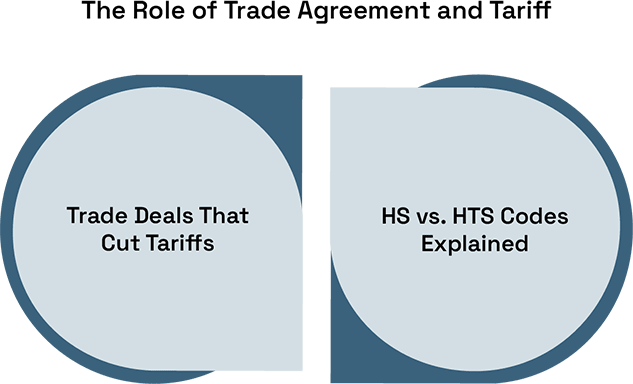
Trade agreements such as the generalized system of preferences can reduce tariffs, affecting overall costs. Accurate customs duty management and classification using HS code and hts code streamlines clearance, especially for electronic and healthcare equipment. Proper registration of import export licenses and the role of the importer of record aid in avoiding legal delays. When you’re dealing with complex tariffs or variable duties, air freight with proper trade compliance management ensures smoother clearance and faster delivery.
The Need for Robust Logistics & Freight Forwarding
Freight forwarding is an important aspect of supply chain strength. An excellent freight forwarder provides end-to-end export services, expertise in customs brokerage, and on-time shipment monitoring. They assist with movement through trade compliance requirements and optimize routes per the prevailing market conditions. In volatile times, reliable cargo forwarding services reduce risk, improve turnaround times, and ensure compliance with export regulations, all critical for high-value equipment like IT hardware and medical devices.
Why Choose One Union Solutions?
At One Union Solutions, we acknowledge that speed and reliability are what the industry requires. Our high-value equipment logistics solutions provide fast, compliant, and secure deliveries. We will be your trusted company in volatile markets due to our competence in trade compliance, customs management, and freight forwarding. You may require air transport urgently or want a cost-effective sea transport; we offer one that suits you. We assist in protecting your supply chain.
It is best to evaluate the type of equipment, urgency, & costs of the equipment. Air freight is fast & dependable for critical, sensitive, or precious equipment. Sea transport is still a sensible option for high quantities or shipments that are not urgent. Well-developed logistics management and strategic planning are essential to overcome volatility. We will help you make the best out of the supply chain challenges and will have you stay on top of the curve.
Did You Know,
In response to industry studies, 65% of high-tech manufacturing businesses would use air freight in delivering critical components during trade disruptions, to maintain inventory just in time and prevent the expensive downtimes.
FAQ’s
- When should I choose air freight over sea freight?
When speed and timely delivery of sensitive equipment are essential.
- What are the risks of relying solely on sea freight during market volatility?
Longer transit times and higher exposure to delays or disruptions.
- How does trade compliance impact freight choice?
Proper classification and duty management ensure smoother customs clearance, especially for high-value equipment.
- Can technology help in decision-making?
Yes, freight calculators and real-time tracking improve cost management and supply chain visibility.
- What role does Incoterm play in volatile markets?
Clear incoterms prevent misunderstandings, control costs, and streamline customs processes.