
Introduction
The global air cargo industry is entering its most changing phase as Artificial Intelligence, Sustainable Aviation Fuel, and the quick expansion of cross-border e-commerce redefine how businesses manage international freight services. As supply chains become more difficult and urgent, shippers must know the conventional system of Incoterms, Import duties and tariffs, and Import-export documentation. Today, technology-driven capabilities such as real-time shipment tracking, last-mile delivery services, and digital supply chain optimization are changing every logistics decision from route planning to HTS Harmonized Tariff Schedule classification. With governments revisiting systems such as the Generalized System of Preferences (GSP) and businesses evaluating Importer of Record responsibilities and Delivered Duty Paid service options, the air cargo ecosystem is developing at an extraordinary rate.
Role of AI in Air Cargo Handling
Artificial Intelligence is no longer a future concept in air cargo handling; it is an operational necessity. AI-powered systems help carriers and freight forwarders predict shipment volumes, optimize warehouse capacity, reduce crowding, and automate the verification of HS code and HTS classifications. This automation hugely lowers the risk of errors in Import export documentation and confirms faster customs clearance. Machine learning algorithms also improve cargo screening, temperature-sensitive goods management, and route optimization, directly contributing to smoother International freight services. For businesses shipping under terms such as DAP or DDP, AI increases visibility by combining real-time shipment tracking across multiple carriers, allowing consistent tracking until last-mile delivery services are completed. By reducing delays and minimizing human issues, AI supports both working accuracy and cost efficiency in a highly competitive cargo environment.

Cross-Border E-Commerce: The New Cargo Powerhouse
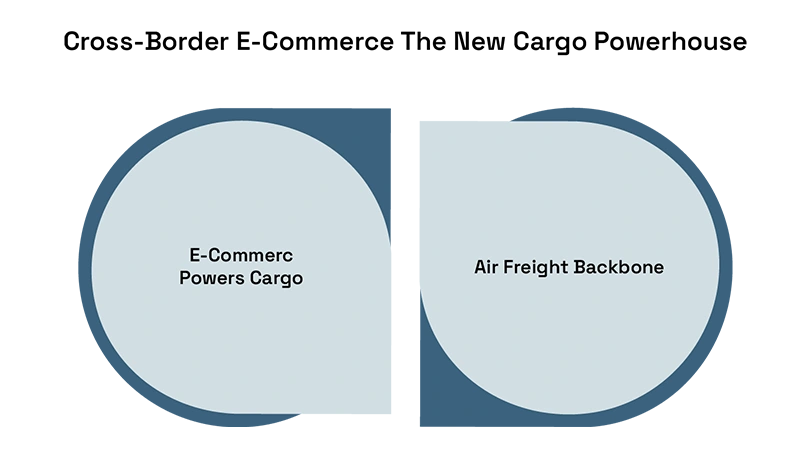
The explosive rise of global e-commerce has transformed air cargo capacity planning. Cross-border marketplaces demand faster dispatch cycles, integrated tracking systems, and simplified IOR services for smooth customs clearance. Since online sellers frequently move small, high-value goods, accurate HS code categorization and approval with Import duties and tariffs becomes necessary. E-commerce mainly depends on air freight because it allows expected delivery timelines, even when working across multiple countries with varied regulatory systems. The change to cross-border e-commerce has also given the importance of Exporter of Record service clarity, confirming that responsibilities for documentation, country restrictions, and duty payments are clearly allocated, with millions of goods moving daily. Air cargo is advancing its logistics to keep growing with client satisfaction for speed, clarity, and dependability.
Increased use of AI and Machine Learning in Cargo Work
AI and machine learning are changing logistics strategy from the inside out. Predictive analytics help forwarders expect weather-related disruptions, simplify aircraft loading, and minimize fuel consumption, a critical factor as the world changes towards SAF adoption for greener aviation. These technologies also increase supply chain optimization by processing huge amounts of data, identifying inefficiencies, and automating repetitive processes such as tariff categorization, routing, and documentation validation. For businesses guiding difficult Incoterms or evaluating DAP and DDP cost structures, AI provides real-time insights into shipping times, customs delays, and warehouse issues. The combination of data-driven tools confirms quicker decision-making and strengthens approval with global trade guidelines.
Preparing Your Business for the Future of Air Freight with One Union Solutions
As logistics challenges grow more experienced, organizations require partners who understand the problems of cross-border approval and modern air cargo work. We support businesses by managing IOR services, handling Importer of Record responsibilities, and confirming correct HS code categorizations for faster customs approvals. Their expertise extends to coordinating shipment documentation, managing Delivered Duty Paid service requirements, and guiding exporters on the correct Exporter of Record definition for each destination market. We provide end-to-end International freight services from live shipment tracking to last-mile delivery. One Union Solutions helps businesses to simplify their supply chain optimization plans and avoid costly delays linked to incorrect documentation or tariff issues.
Conclusion
The future of air cargo is being changed by AI-driven automation, SAF adoption, and the unstoppable growth of cross-border e-commerce. As companies guide this developing landscape, understanding the connection between technology, regulatory agreement, and modern logistics methods becomes necessary. Tools such as machine learning, real-time tracking, and digital documentation not only reduce risks but also increase operational efficiency. With knowledgeable partners such as One Union Solutions, businesses can mainly use their air freight plans and stay competitive in an increasingly technology-powered global trade.
DID YOU KNOW?
Driven by the need for speed and reliability, the global air freight market is on a growth trajectory, reaching US$319.4 billion in 2024. With a steady compound annual growth rate of 4.9% from 2025 to 2033, the sector is projected to reach US$492.7 billion by 2033.
FAQs:
- How is AI improving air cargo handling?
AI automates HS code verification, predicts shipment volumes, optimizes warehouse space, and enhances real-time tracking. This reduces errors, speeds up customs clearance, and improves overall cargo efficiency.
- Why is cross-border e-commerce increasing demand for air freight?
E-commerce sellers require fast delivery, predictable transit times, and simplified IOR/EOR services. Air freight supports these needs with quick transportation and better global coverage.
- What role does SAF play in the future of air cargo?
Sustainable Aviation Fuel reduces carbon emissions and helps airlines meet global environmental regulations. It is a key step in building a more eco-friendly air cargo industry.
- How do Incoterms like DAP and DDP affect air freight shipments?
DAP and DDP determine who is responsible for duties, taxes, and documentation. AI tools help shippers evaluate these costs, avoid delays, and ensure smoother global deliveries.
- How does One Union Solutions support air cargo operations?
One Union Solutions manages IOR/EOR responsibilities, HS code classification, customs documentation, DDP shipping support, and real-time tracking, ensuring fast and compliant air freight delivery.