Introduction
Importing IT equipment into Mexico requires more than transportation. Organizations must manage importer responsibilities, tariff classification, customs documentation, and applicable compliance requirements.
For overseas companies without a Mexican importing structure, an Importer of Record (IOR) can help coordinate the import process while ensuring the required customs responsibilities are properly managed.
Why Companies Import Technology into Mexico
Mexico is a growing hub for technology, production, telecommunications, & data-centre projects. Organizations import servers, networking equipment, storage systems, & other IT equipments for new facilities, upgrades, replacements, or temporary deployments.
Successful imports require correct customs documentation, tariff classification, valuation, or compliance with applicable duties and rules. An expert import partner can help manage these requirements with customs clearance & final delivery.
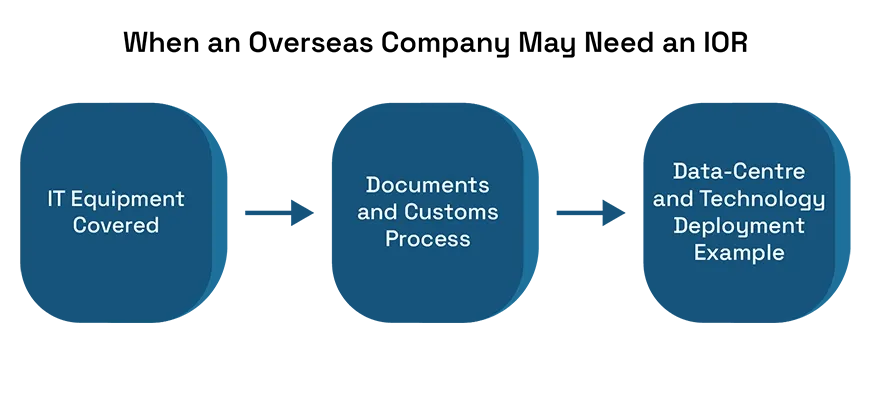
When an Overseas Company May Need an IOR
An overseas company may need an IOR when it wants to import IT equipment into Mexico without an established local importing structure. This can apply to data-centre projects, new market entry, equipment replacements, and direct shipments to Mexican sites.
Mexico does not have a single IOR licence. Importers must meet applicable registration and customs requirements, including Padrón de Importadores and RFC-related obligations.
IT Equipment Covered
IT imports may include servers, GPU systems, storage equipment, switches, routers, firewalls, telecommunications hardware, racks, and related infrastructure. Customs treatment rely on the product’s specifications, use, & tariff classification.
accurate model numbers, descriptions, quantities, values, origin, and technical details helps support proper classification and customs documentation.
Documents and Customs Process
IT imports require accurate customs and commercial information before clearance. Key documents may include the commercial invoice, packing details, transport documents, and product specifications.
The pedimento contains important information about the import operation. A customs agent or agency may support classification, document review, and customs submission as required under Mexican procedures.
Data-Centre and Technology Deployment Example
An overseas technology company deploying servers and networking equipment in Mexico may need an IOR when it does not have a local importing structure. Before shipment, the equipment list, technical details, values, origin, and destination are reviewed.
The IOR process then coordinates the import setup, tariff classification, required documents, customs clearance, duties, and taxes. After clearance, the equipment is delivered to the data centre for installation, helping keep the deployment schedule on track.
Common Mistakes When Importing IT Equipment into Mexico
Using vague product descriptions on commercial documents can create customs questions. Instead of writing only “computer equipment,” businesses should provide clear details about servers, switches, storage systems, and other items.
Incorrect tariff classification can also lead to duty or compliance issues. Businesses should review the classification before shipping.
Another common mistake is deciding the importer too late. The importer should be confirmed in advance so registration, documentation, and customs responsibilities are properly arranged.
Finally, transportation and legal importation are different responsibilities. A freight carrier moves the goods but is not automatically the legal importer.
IOR vs Other Delivery and Import Models
An IOR arrangement is different from simply hiring a freight forwarder. A freight forwarder coordinates transportation and related logistics, while the importer has the legal responsibilities associated with bringing the goods into Mexico.
DDP can define the commercial allocation of transportation, import duties, taxes, and delivery responsibilities between the seller and buyer, but DDP itself does not automatically make a party the legally compliant Mexican importer. The importer still needs to satisfy applicable Mexican customs requirements.
How One Union Solutions Helps with IOR Mexico
One Union Solutions supports international businesses importing technology into Mexico by coordinating the import responsibility with the wider logistics process. The focus is on helping businesses understand what needs to be arranged before the equipment leaves the origin country.
For IT shipments, this can include reviewing shipment information, coordinating import documentation, supporting customs clearance through the appropriate local parties, and arranging delivery to the required Mexican destination. The process can be adapted to projects involving servers, networking equipment, data-centre infrastructure, telecommunications hardware, and other business-critical technology.
Conclusion
Importing IT equipment into Mexico requires more than moving technology across the border. Businesses need the right importer structure, correct tariff classification, complete customs information, or confirmation of any applicable NOM or other regulatory requirements.
For overseas companies without an set up Mexican importing setup, an IOR arrangement can simplify the management of these duties when structured correctly. By set up classification, documentation, customs clearance, & final delivery before shipping, organization can reduce delays & keep technology project on schedule.
Did You Know?
In June 2026, Mexico recorded US$72.2 billion in exports and US$68.1 billion in imports, highlighting the country’s strong international trade activity.
Frequently Asked Questions
Does Mexico require an importer to be registered before importing IT equipment?
Generally, commercial importers must meet Mexico’s importer registration and customs requirements, including the applicable Padrón de Importadores and RFC-related conditions. Specific exemptions and procedures can apply depending on the shipment and customs regime.
Can a company import servers into Mexico without a Mexican subsidiary?
It may be possible through an appropriate import structure, but the party acting as importer must satisfy Mexican customs requirements. An overseas company should confirm who will legally assume the importer responsibilities before the shipment is dispatched.
Are servers and networking equipment subject to NOM requirements in Mexico?
Some electronic and IT products can be subject to NOM requirements depending on their characteristics, classification, and intended use. For example, NOM-001-SCFI-2018 covers specified electronic equipment & sets safety requirements in Mexico.
What information should be checked before importing IT equipment into Mexico?
Businesses should review the product details, technical product details , quantity, value, origin, tariff classification, importer details, and applicable regulatory requirements. Checking these details before shipment helps the customs process run more smoothly.
What is the difference between an IOR and a customs agent in Mexico?
The IOR is the party that assumes the legal importer responsibilities for the transaction, while a customs agent or agency performs authorized customs clearance activities on behalf of the importer. Mexican customs rules assign specific responsibilities to both importers and customs professionals, so the roles should not be treated as interchangeable