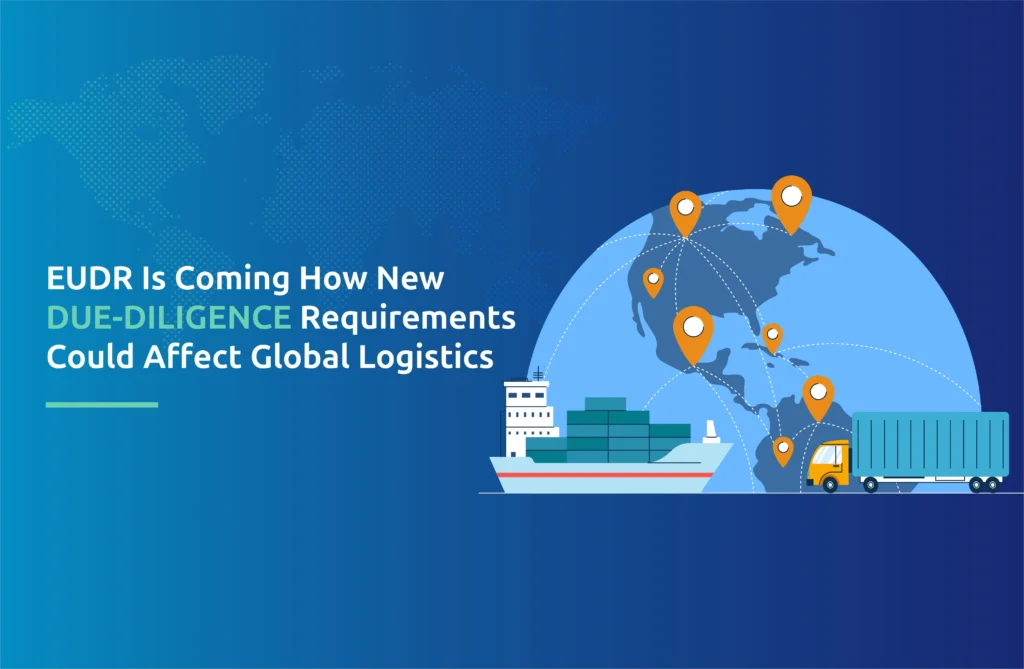
As the European Union gets ready to implement the EU Deforestation Regulation, or EUDR, international supply chains will have to deal with yet another change in compliance. The goal of the rule is to keep goods related to forest degradation and deforestation out of the EU market.
The effects can go beyond purchasing and customs compliance for companies engaged in international trade. Businesses may also need to examine how they handle paperwork, track products, gather supplier data, and arrange shipments.
For big and medium-sized operators, the EUDR will take effect on December 30, 2026, while some micro and small operators will have more time. Because of this, 2026 will be a crucial year for companies bringing pertinent goods into the EU.
What Is the EUDR?
The EU Deforestation Regulation applies to some raw materials and products linked with deforestation and forest degradation.
Businesses placing covered products on the EU market or exporting them from the EU must be able to demonstrate that the products meet the applicable requirements.
This means companies may need more detailed information on product origins and production methods.
Why EUDR Matters to Global Logistics
Logistics operations depend heavily on accurate shipment information. Traditionally, companies may focus on documents such as commercial invoices, packing lists, transport documents and customs declarations.
EUDR adds another layer of information that may need to be connected with the goods.
For covered products, businesses may need information about the production location, supply chain and origin of the relevant commodity. This can make traceability an important part of shipment preparation.
Before arriving in the EU, a package may physically pass through a number of nations. Before the shipment can go through without a hitch, the importer might need to get in touch with the supplier if any of the necessary information is missing.
Supplier Data Could Become More Important
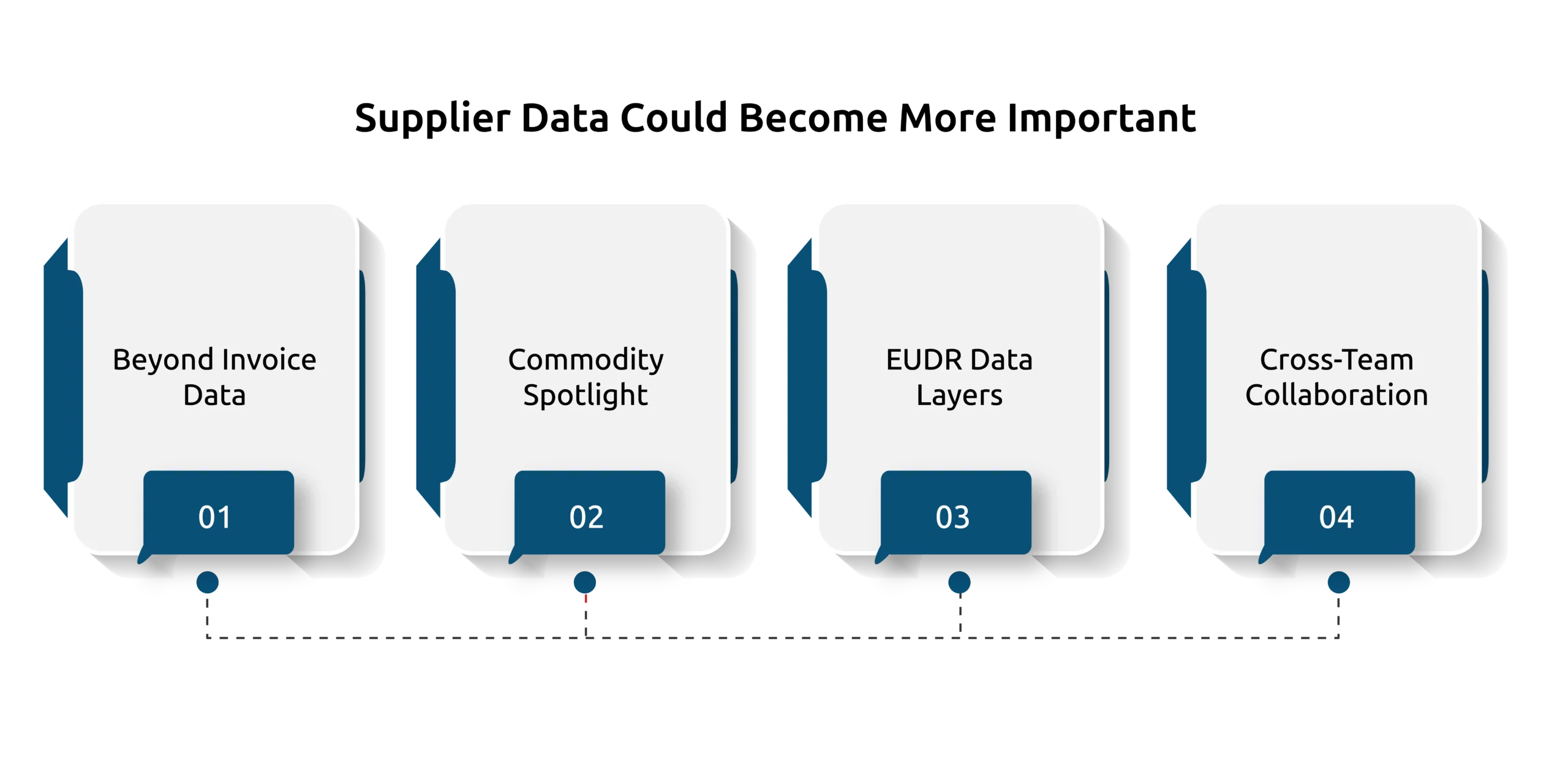
One of the biggest changes for businesses may be the amount of information they need to obtain from suppliers.
A supplier invoice may confirm the product and quantity, but EUDR compliance can require additional information about the source and production of the relevant commodity.
For example, companies purchasing wood products may need information connecting the goods to the relevant production area. Similar requirements can apply to other commodities covered by the regulation.
This means procurement teams, suppliers, logistics teams and compliance departments may need to work more closely together.
Traceability Can Affect Shipment Planning
Several parties are frequently involved in international logistics. A freight forwarder might set up transportation, a manufacturer might sell products to a distributor, and a customs officer might take care of import procedures.
When EUDR information needs to accompany the compliance process, companies must be able to connect the information with the correct products.
Customs and Compliance Teams Need Better Coordination
EUDR is not simply another shipping document requirement.
Businesses need to understand whether their products fall within the regulation, determine what information is required and make sure the information is available before the relevant transaction takes place.
Customs teams may therefore need to work with sustainability, procurement and supply chain teams rather than handling the issue separately.
Product classification should also be reviewed carefully because the EUDR applies to specific products and commodity categories rather than every shipment entering the EU.
Freight Forwarders Have an Important Supporting Role
Freight forwarders and logistics providers can help businesses organize international transportation and documentation, but their role under EUDR should not automatically be confused with that of the operator or trader.
A logistics provider that only offers logistical or technical services and does not place the products on the market or export them is generally not considered an operator or trader under the EUDR.
However, logistics providers may still receive requests from customers for shipment information, documentation support or traceability-related data.
Clear communication about responsibilities can therefore help avoid confusion between the importer, supplier, customs representative and logistics provider.

What Businesses Should Do Before EUDR Applies
Companies moving EUDR-covered goods into the EU should start by identifying which products in their supply chain could fall within the regulation.
After that, they can examine their suppliers to see if the required traceability and origin data are accessible.
Verifying whether various suppliers employ different sourcing arrangements or production locations is also helpful. Maintaining a connection between this data and purchase orders and shipments might facilitate future compliance tasks.
Additionally, businesses should check the necessary information before a shipment is prepared to depart the country of origin.
Reducing last-minute supplier communications can be achieved by including these checks into procurement and shipment preparation.
Technology May Become More Important
EUDR compliance involves information from different parts of the supply chain. Businesses handling large numbers of shipments may find it difficult to manage everything through separate spreadsheets and emails.
Supply chain systems can help connect supplier information with products, purchase orders and shipments.
The European Commission has also developed an EUDR Information System for submitting due-diligence statements and related information.
For companies with large international supply chains, improving data management now can make the transition easier when the regulation becomes applicable.
Conclusion
EUDR is likely to bring greater attention to traceability and supplier information across global supply chains.
For importers, the challenge is not limited to understanding the regulation. They also need to make sure the information supporting their shipments is accurate, available and connected to the right products.
Logistics teams can support this process by coordinating closely with procurement, customs and compliance departments. Suppliers should also be given clear information requirements before shipments are arranged.
With the main EUDR requirements approaching for larger operators in December 2026, businesses have an opportunity to review their supply chains now rather than discovering missing information when a shipment is already in transit.
DID YOU KNOW?
The European Commission’s EUDR Information System is designed to support the submission of due diligence statements and related declarations. The Commission also updated the system and published further implementation measures in 2026.
FAQs
What is EUDR?
EUDR is an EU regulation designed to prevent certain products associated with deforestation and forest degradation from being placed on the EU market or exported from the EU.
When does EUDR apply?
For large and medium-sized operators, the regulation applies from December 30, 2026. Certain micro and small operators have an application date of June 30, 2027.
Does EUDR apply directly to freight forwarders?
Not automatically. A logistics provider that only provides logistical or technical services and does not place products on the market or export them is generally not considered an operator or trader under EUDR.
How can businesses prepare for EUDR?
Businesses can identify covered products, review supplier information, improve traceability records and make sure relevant documentation can be connected to individual products and shipments before the regulation applies.
How can EUDR affect international shipments?
EUDR can require businesses handling covered products to maintain accurate origin information, supplier records and traceability data. Missing or incomplete information may complicate compliance checks and cause shipment delays while the responsible business obtains the required details.