Introduction
European customs is becoming increasingly dependent on accurate and structured trade information. For importers, this means customs preparation can no longer start only when a shipment is ready to leave the supplier. Product descriptions, values, origin, classification and supporting documents all need to be consistent before goods reach the border. Better supplier data gives importers a clearer basis for preparing customs declarations and responding to information requests.
The change is particularly relevant for businesses buying equipment, components and other goods from suppliers outside the EU. Incomplete or inconsistent supplier records may mean additional time spent by the importer to check product details , confirm classifications or correct shipment documents. A good supplier-data process can help avoid these problems before the goods are shipped.
Why Supplier Data Is Becoming More Important
Customs authorities increasingly use electronic information to assess shipments and identify potential risks. Under Import Control System 2 (ICS2), required safety and security information is submitted before goods enter or move through the EU customs territory.
This makes the quality of information provided by suppliers more important. A vague product description, inconsistent value or missing shipment detail can create questions during the customs process. Importers therefore need to know what information is being provided by suppliers and whether it matches the information used for customs declarations.
What Information Should Importers Collect From Suppliers?
The information required depends on the product, shipment and customs procedure. However, importers should have a consistent record covering the supplier’s legal details, product description, quantity, commercial value, country of origin and relevant classification information.
For technical products, descriptions such as “equipment,” “parts” or “electronics” may be too broad. A description that explains what the product is and its function gives the customs team more useful information when reviewing the shipment.
Supplier Data and Customs Classification
Customs classification is based on the characteristics of the goods, not simply the product name used by a supplier. A supplier may use an internal product code that does not correspond to the customs classification required in the importing market.
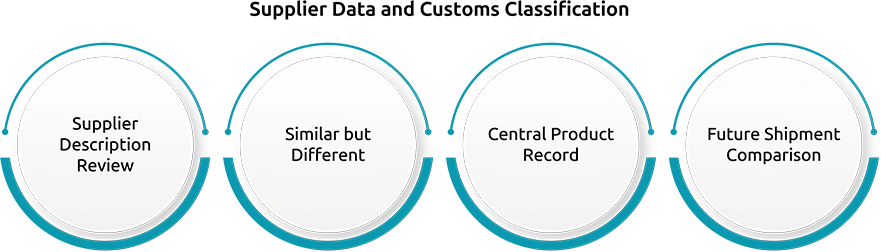
Importers should therefore review supplier descriptions alongside product specifications and existing classification records. This is especially useful when similar products have different technical specifications, functions or configurations.
Having this information stored within a central product record can also help facilitate review of future shipments and when the same product is imported multiple times, the importer can compare new supplier information to previously reviewed data.
Country of Origin Needs Clear Evidence
The country where goods are shipped from is not always their customs origin. Origin is determined according to the applicable customs rules and can affect tariff treatment, trade measures and documentation requirements.
Importers should therefore avoid relying only on the dispatch location shown on a commercial invoice. Where origin is relevant, supplier declarations & other supporting documents should be reviewed and retained in accordance with applicable requirements.
Clear origin information is particularly important when goods move through several countries before reaching the EU. Keeping manufacturing and supplier information together can help the importer establish the relevant facts before preparing the customs declaration.
Why Invoice Information Should Match Other Documents
Customs information should be consistent with the commercial documents supporting the shipment. Product descriptions, quantities, values, supplier details and other key information should not conflict between the invoice, packing list, transport documents and customs declaration.
A mismatch does not mean goods cannot be cleared but it can result in extra questions or document checks. Reviewing the information before dispatch gives the importer the opportunity to correct errors while the supplier still has the ability to update the paperwork.
A standard supplier data template may be useful for regular imports. Rather than requesting different information with each shipment, the importer can set a standard set of product and transaction information that suppliers will submit each time.
The EU Customs Data Model Is Changing How Data Is Managed
The EU Customs Data Model (EUCDM) provides a common structure for customs data used by EU and national customs systems. Its role reflects the wider move toward electronic customs processes and standardised information.
For importers, this means customs data should be treated as part of the company’s wider trade information rather than as isolated paperwork. Product records, supplier information and customs data need to remain connected so that the information used for declarations can be supported by underlying records.
Businesses do not necessarily need to replace their entire internal systems. A practical starting point is to identify which product and supplier information is currently being collected and where important gaps or inconsistencies occur.
What European Importers Can Do Before the Changes
Importers can begin by reviewing their existing supplier records and identifying information that is regularly missing or inconsistent. Product descriptions, origin information, values and classification details are useful areas to check first.
Businesses should also identify products that require additional regulatory information. Technical equipment, controlled products and goods subject to specific EU requirements may require more detailed information than ordinary commercial goods.
Better Supplier Data Supports Better Customs Preparation
Accurate supplier data does not remove customs duties, inspections or regulatory requirements. Its value is that it gives importers and their customs representatives the information needed to prepare and review a shipment properly.
As EU customs processes become more digital, businesses will increasingly depend on information that is complete, consistent and available before goods arrive. Importers that improve supplier data collection now can make their customs preparation more organised and reduce the need for last-minute document corrections.
Conclusion
Better supplier data is becoming an important part of EU import preparation. Accurate product descriptions, values, origin details and supporting documents help importers prepare consistent customs information before goods arrive. Early review of supplier data and up-to-date product records can help businesses avoid unnecessary document issues and be prepared for the EU’s increasingly digital customs processes.
Did You Know?
EU customs authorities process around 1 billion customs declarations every year, making accurate and structured trade data increasingly important for importers
Frequently Asked Questions
What supplier information is important for EU imports?
The important information can be the details of the supplier, product description, quantity, value, country of origin and relevant classification information. Depending on the goods and customs procedure additional data may be required.
Can a vague product description cause customs issues?
This can guide to questions if the details does not clearly state what the goods are. A specific description with supporting product details gives customs teams a better starting point for reviewing the shipment.
Should the supplier’s country be treated as the product’s country of origin?
Not necessarily. The place of shipment and the customs place of origin can be different. Importers have to determine the origin according to the EU customs rules applicable and supporting evidence.
Why should importers keep supplier and customs data together?
By keeping the connection you can compare product information, note changes and generate consistent customs paperwork for each shipment.
How can businesses improve supplier data before shipping?
Companies can create a standard template for supplier information, validate product descriptions and origin information, maintain classification records, & validate information against commercial documents before shipping.