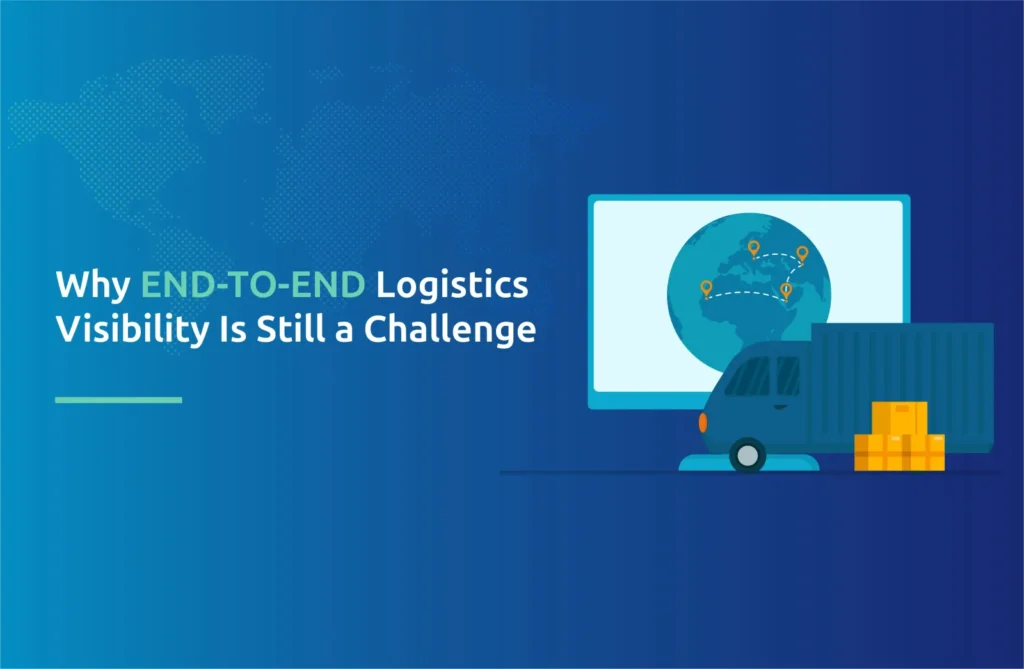
Although global supply chains have evolved, they are still not always more visible. Tracking platforms, shipment management systems, warehouse software, supplier portals, and real-time notifications may be available to organizations. However, a straightforward question like “end-to-end visibility”—which refers to having a clear view of goods as they travel from suppliers to warehouses, distribution centers, clients, and final delivery points—remains a challenge for many firms. Understanding the documentation, customs procedures, inventory levels, transportation circumstances, and significant difficulties related to each shipment is also necessary.
What End-to-End Logistics Visibility Really Means
Logistics visibility is more than knowing the location of a truck or container.
A complete visibility system should connect information across the supply chain. This can include purchase orders, supplier updates, production status, inventory, warehouse movements, freight bookings, customs clearance, transportation, delivery milestones, & proof of delivery.
A company may know that a container has left a port. That does not always tell the company whether the needed customs documents are complete, whether the destination warehouse has capacity, or whether the delivery appointment has been confirmed.
True visibility connects these events so businesses can understand both where goods are & what could affect their next movement.
Global Supply Chains Add More Complexity
International logistics creates additional visibility challenges.
A shipment crossing several countries may pass through multiple ports, customs authorities, carriers, warehouses, and transport providers. Each location can introduce new requirements and potential delays.
Customs clearance is a good example. A tracking system might show that goods have arrived at a destination airport, but the shipment may still be waiting for documentation, duties, product approvals, inspection, or customs release.
From a basic tracking perspective, the shipment has arrived. From an operational perspective, it may not be ready to move.
This difference shows why logistics visibility must include more than physical location.
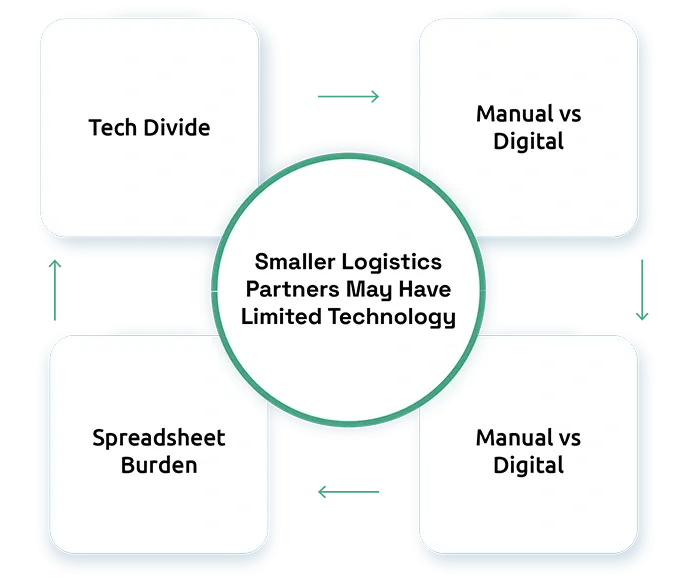
Smaller Logistics Partners May Have Limited Technology
Large carriers and logistics companies often have sophisticated tracking systems. However, not every supplier or local transport provider has the same level of technology.
A company may have excellent visibility for international freight but limited information once goods are handed to a local delivery partner.
This creates visibility gaps, especially during the final mile.
Smaller suppliers may also rely heavily on spreadsheets, email, phone calls, or manual processes. Integrating these partners into a centralized visibility platform can therefore be difficult.
Real-Time Visibility Is Not Always Truly Real-Time
The term “real-time tracking” can also create unrealistic expectations.
Some shipment information is generated automatically, while other information depends on a person or organization entering an update. GPS data may provide the location of a vehicle, but it cannot necessarily show whether a customs document has been accepted or whether a warehouse has approved unloading.
There can also be technical delays between systems.
As a result, businesses should distinguish between real-time location data and real-time supply chain visibility. They are not the same thing.
Visibility Does Not Always Mean Predictability
Another important challenge is turning visibility into useful decisions.
While being aware of a shipment’s delay is beneficial, businesses must also consider the possible effects on their operations.
For instance, if there is enough merchandise on hand, a two-day transit delay would be tolerable. If the cargo includes equipment for a data center installation that is scheduled for the next day, the same delay could become a major issue.
For this reason, rather than only showing shipping locations, new visibility tactics increasingly concentrate on exceptions, risk, and anticipated outcomes.
How Businesses Can Increase Logistics Visibility
Connecting the most crucial information sources is typically the first step in increasing visibility.
Businesses might start by determining the crucial benchmarks they must keep an eye on. Order confirmation, production completion, pickup, departure, customs clearance, arrival, warehouse reception, and final delivery are a few examples of these. Data from suppliers, carriers, freight forwarders, customs systems, warehouses, and internal platforms can then be integrated.
Confusion between systems can also be minimized by using standardized data formats and shipping identification. Another important step is to focus on exceptions. Instead of asking teams to monitor thousands of shipments manually, visibility systems can highlight unusual delays, missed milestones, documentation problems, inventory risks, and other events that require attention.
Technology such as APIs, IoT sensors, GPS tracking, cloud platforms, artificial intelligence, and digital supply chain platforms can support this process. However, technology alone cannot solve poor processes or unreliable data.
The Future of End-to-End Visibility
End-to-end logistics visibility is changing from simple tracking to more integrated and proactive supply chain management.
Shipment data integration systems with inventory, customs, supplier, warehouse, and customer data are growing in popularity. It’s important to comprehend what happened, but it’s also important to predict what will probably happen next.
This change can help businesses manage their inventory more effectively, respond to disruptions faster, connect with customers more precisely, and reduce unnecessary logistical expenses.
However, as long as supply chains involve numerous partners, disjointed systems, inconsistent data, and foreign regulatory constraints, total visibility will continue to be challenging.
Conclusion
Because multinational supply chains consist of numerous organizations, systems, procedures, and physical locations, end-to-end logistical visibility is challenging.
Although improved tracking technology is helpful, visibility depends on much more than just knowing a shipment’s location. Businesses require accurate paperwork, coordinated logistics partners, dependable data, linked systems, and a comprehensive grasp of the circumstances that may impact delivery.
Businesses that can quickly establish these linkages will be in a better position to identify problems early, address them, and make supply chain choices more quickly. Visibility is no longer just a tracking capability in a global logistics setting. It is starting to play a significant role in operational management.
Did You Know?
This is why end-to-end logistics \visibility is not simply a tracking problem. Businesses need connected data from suppliers, carriers, warehouses, customs, ports and final delivery points to build a reliable picture of where goods are and what risks may affect them.
FAQ
1. Why is end-to-end logistics visibility difficult?
Global shipments involve many suppliers, carriers, customs authorities, warehouses, and systems. Different data formats and update schedules can create visibility gaps.
2. Is shipment tracking the same as logistics visibility?
No. Tracking shows where goods are, while visibility connects location with inventory, customs, documentation, delivery, and other operational information.
3. How does poor data quality affect visibility?
Inaccurate, delayed, or inconsistent data can create an unreliable view of shipments. Standardized and timely information is essential for better visibility.
4. How does customs affect logistics visibility?
A shipment may arrive at a port or airport but remain blocked by documentation, duties, inspections, or approvals. Customs status therefore needs to be connected with transportation data.
5. Can AI improve logistics visibility?
Yes. AI can identify unusual shipment patterns, predict potential delays, and prioritize exceptions. However, AI still depends on accurate and timely supply chain data.