Introduction
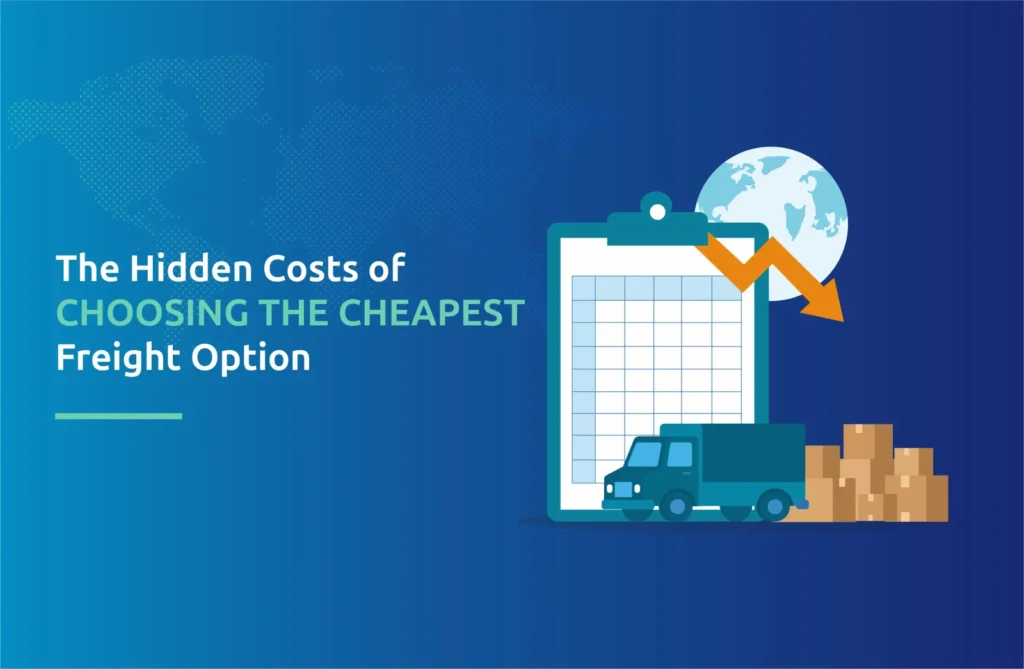
Choosing the cheapest freight option can look like an easy way to minimize shipping costs, especially when several freight companies provide different pricing for the same route. However, the lowest freight rate does not often represents the complete cost of moving goods globally. Destination handling , customs delays, storage, cargo damage, documentation problems, or missed delivery schedules can add costs after the shipment has already been booked. For businesses moving high-value electronics, medical equipment, automotive components, industrial machinery, or technology hardware, these hidden costs can be much higher than the original freight saving.
The right freight decision should therefore focus on the total cost of getting the shipment delivered successfully, rather than the shipping price shown on the first quotation. A relatively higher freight rate may offer better transit reliability, cargo handling, tracking, customs management, & delivery control. When these factors are involved together, businesses can avoid situations where a cheaper shipment finally costs more.
Why the Cheapest Freight Quote Can Be Misleading
A freight offer usually covers a defined shipping service & may not involves every cost related with the shipment. Depending on the route, carrier, destination, or agreed Incoterm, the quoted amount may exclude customs clearance, terminal handling, destination charges, duties, taxes, storage, insurance, or special delivery requirements. This creates a difference between the offer freight cost or the actual landed cost of the shipment.
For example, a carrier may offer a greatly lower ocean freight rate than another offer, but the cheaper service could includes a longer transit time or additional managing at an transit location. If the cargo then misses a required delivery window, the business may face warehouse charges, production delays, or additional shipping costs. The original freight saving can be lost quickly once these extra costs are included.
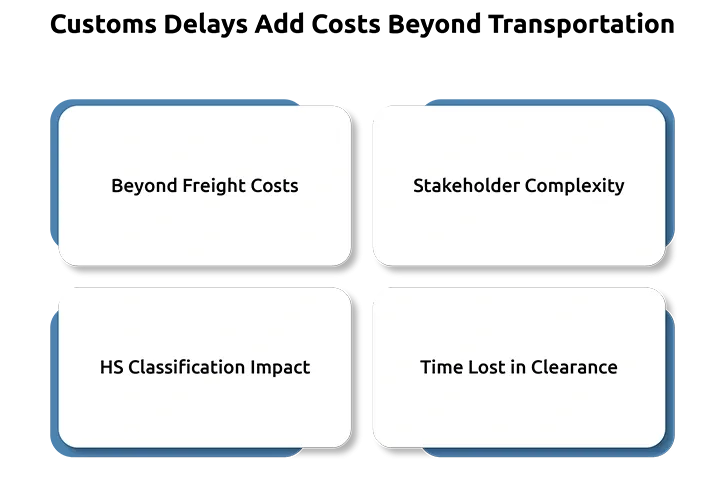
Customs Delays Add Costs Beyond Transportation
International freight cannot be separated from customs compliance. Even when the shipping provider delivers the cargo to the destination country on time, incorrect or incomplete import documentation can prevent the shipment from being released. Product details, HS classification, valuation information, approvals, importer details, & other supporting documents may need to match the applicable customs requirements.
When customs clearance takes longer than expected, the shipment may face storage, terminal handling, inspection, change, or other charges. A business may also need to spend extra time managing between the freight provider, customs broker, importer, supplier, & government authorities. The cheapest shipping option therefore provides little value if the shipment cannot move across customs effectively.
Insurance and Liability Should Not Be Assumed
A low freight rate does not automatically mean that the cargo has adequate financial protection. Carrier liability and cargo insurance are separate considerations, and the level of protection can depend on the transport terms, declared value, packaging, exclusions, and applicable carrier conditions.
This becomes particularly important when shipping equipment worth tens or hundreds of thousands of dollars. If the cargo is damaged or lost, the amount recoverable under standard carrier liability may not match the actual commercial value of the goods. Businesses should understand what protection applies before selecting a freight option and determine whether additional cargo insurance is appropriate for the shipment.

The Administrative Cost of Cheap Freight
A freight provider can offer an attractive shipping price while moving more working duty to the shipper. The business may then need to manage customs documentation, destination agents, warehouse appointments, local delivery, regulatory paperwork, or shipment problems on their own. Although the freight invoice is lower, the internal workload becomes higher.
This hidden working cost is especially relevant for businesses that do not have dedicated global logistics teams. Employees may spend hours handling documentation errors, checking shipment status, communicating with customs brokers, or organizing alternative delivery when the original plan fails. A service that costs slightly more but offer better manage can minimize the overall working burden.
How IOR Services Can Help Control Hidden Import Costs
For international shipments, IOR Services can help coordinate customs documentation, import entries, duties, taxes, and applicable import requirements. This is useful for businesses without an established importing entity in the destination country. Proper coordination can reduce documentation gaps and avoidable clearance delays. Any additional regulatory role must be separately reviewed and contracted based on the shipment and country requirements.
Conclusion
Choosing the cheapest freight option may minimize the initial shipping costs, but it does not always minimize the total cost of an global shipment. Delays, customs clearance issues, storage charges, cargo damage, additional handling, & operational work can quickly offset the original freight savings. Businesses should therefore look beyond the quoted freight rate & consider the shipment’s value, destination requirements, and potential operational impact. A reliable freight strategy, combined with properly scoped IOR Services, can help reduce avoidable import risks and create a more predictable shipping process.
Did You Know?
In 2025, U.S. freight trade with Canada and Mexico reached approximately $1.6 trillion, with trucks carrying about $1.04 trillion of that freight. This highlights the scale of cross-border freight movement and the importance of choosing reliable transportation and logistics services.
Frequently Also Asked
What hidden costs should businesses check before choosing a freight carrier?
Businesses should look beyond the listed freight rate or review destination managing, customs clearance, duties and taxes, storage charges, delivery charges, & potential costs caused by delays. These charges can vary greatly by route or shipment type, so comparing the complete landed cost offer a more correct picture of the actual cost.
Is cheaper ocean freight always better for non-urgent shipments?
Not always. A slower ocean service can be suitable for flexible stock, but businesses should still consider reliability, port managing, customs clearance, storage risk, & destination charges. A very low freight rate may become less attractive if the shipment frequently experiences delays.
How does freight damage affect total shipment costs?
Freight damage can lead to repair, replacement, repacking, customs updates, and urgent shipping costs. For valuable or sensitive equipment, proper packaging and handling can help avoid these additional costs.
Can IOR services minimize customs-related freight costs?
Properly defined IOR services can help manage import duties, customs documentation, duty or tax processes, & applicable import requirements. This can minimize the risk of avoidable clearance problems and related delays.
How can businesses compare freight options beyond price?
Businesses should compare transit time, customs handling, destination charges, storage, cargo protection, and potential delay costs. A lower freight quote may become more expensive when these additional costs are included.