Most Imported Machinery in Industry
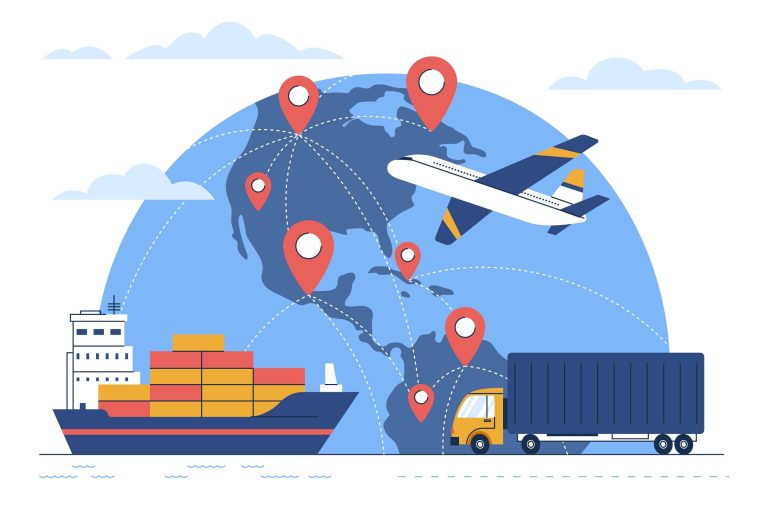
Global trade depends on imported machinery, parts, and raw materials. This is especially true in industries like healthcare, automotive, IT, data centers, and aviation.
Healthcare:
Medical imaging equipment, such as MRI machines, CT scanners, and X-ray devices, is important for diagnosis. These are often imported because of advanced technology. Surgical instruments, including precision tools and robotic systems, are also sourced from global suppliers. Laboratory equipment such as centrifuges, spectrometers, and analyzers is commonly imported for testing and research.
Automotive:
Assembly line machinery, such as robotics and automated systems, is imported to improve speed and accuracy. Engine parts like turbochargers are often sourced globally for better performance. Diagnostic tools for vehicle testing and repair are also imported to keep up with new technology.
IT & Data Center:
Servers and storage systems are imported to support data and cloud operations. Networking equipment, such as routers and switches, is sourced from global suppliers. Cooling systems are also imported to maintain proper temperature and energy efficiency in data centers.
Aviation:
Aircraft engines are imported from specialized manufacturers with advanced technology. Avionics, such as navigation and communication systems, are sourced globally to ensure safety and reliability. Maintenance tools and equipment for aircraft repair are also imported to meet strict standards.
Why One Union Solutions
Choosing One Union Solutions as your Importer of Record (IOR) in Maine helps ensure full compliance with federal and state rules. We handle documentation, tariffs, and logistics simply and efficiently. Our services are designed to match your business needs. Our experience helps reduce delays and costs while making the import process smooth and easy.
Optimizing Imports in Maine: The Role of Importer of Record Services
Businesses in Maine should also understand the importance of the Harmonized System (HS) code and Incoterms. The HS code helps classify goods for customs duties. It ensures correct tariff calculation and supports trade compliance. Incoterms such as DDP and DAP clearly define the roles of the importer and exporter. These terms cover shipping, customs clearance, and duty payments. Clear terms reduce confusion and delays. This makes the import process faster and more cost-effective for businesses in Maine.
DID YOU KNOW
Total sales in Maine increased 6.1% from $135.6 billion to $144.0 billion. During that year, Retail Trade gained traction, increasing its percentage of exported sales from 53.0% to 68.6%. These figures demonstrated the state’s economy’s global reach.