Algeria’s Growing Demand for Networking Equipment
Algeria is actively working on updating its digital system, which shows a strong demand for advanced networking technology and ICT solutions. Government expenditure on ICT infrastructure since 2015 has been over 3.7 billion dollars, and imports of technology equipment have at the same time been more than 22 billion dollars. The investments highlight the efforts of Algeria to develop a strong digital economy and provide substantial opportunities for technology providers to be aware of the local regulatory framework and logistics issues. To businesses planning to venture into this promising market, a clear understanding of the issues surrounding the management of customs duties, import-licensing, and trade compliance plays a crucial role in preventing unnecessary costs of delays and adhering to time delivery.
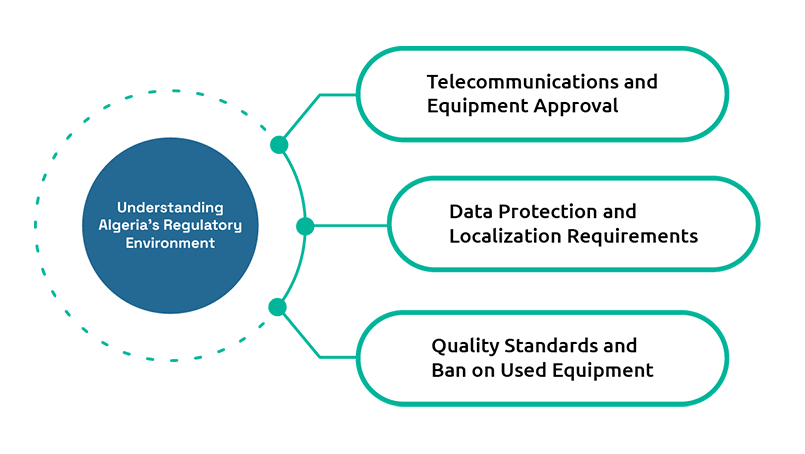
Understanding Algeria’s Regulatory Environment
1. Telecommunications and Equipment Approval
The Algerian Postal & Telecommunications Regulatory Authority (ARPCE) has rigorous conformity tests for all telecommunications & networking equipment before type approval is granted. This procedure will guarantee that imported equipment is up to the technical and security standards of Algeria, protecting the network’s integrity and the people’s safety. The import, sale, and use of the networking equipment are prohibited without the ARPCE certification, so this step is integral to the activity of the importer.
2. Data Protection and Localization Requirements
In August 2023, Law No.18-07 of Algeria was published, according to which all personal information provided by the country’s technology systems must remain on Algeria’s territory. The National Authority of the Protection of Personal Data – ANPDP monitors and enforces these requirements to protect privacy and prevent unauthorized access to the data. This location of data makes the work of importer more difficult, and they must establish an alliance with the certified local data facilities and plan how to fulfill these demands without disturbing the business process.

3. Quality Standards and Ban on Used Equipment
Algeria is serious about the quality of telecommunications infrastructure. In order to maintain a high standard, it does not allow the importation of used or second-hand networking equipment. Bringing in imported devices should be new and comply with local requirements. Certificates of Conformity are issued by the Algerian Institute of Standardization (IANOR), and this certifies that every product meets the safety, technical, and environmental standards. This involves good handling of electrical waste. To the importer, keeping the list of approved and restricted products in Algeria is important to prevent unnecessary delays at the port.
4. Financial and Payment Compliance
All import payments to Algeria must go through authorized local banks using the domiciliation permit system. This process requires submitting detailed proforma invoices that clearly describe what is being imported, its quantity, and its value. These measures ensure that foreign currency transactions are transparent and monitored. They also align with Algeria’s trade policies to protect the economy and prevent illegal financial activities. For the importer, understanding and preparing for this system helps keep transactions smooth and compliant.
Local Production Preference and Trade Barriers
In order to boost its local industries, Algeria restricts the importation of products when there is production of similar goods in the country. The importer will supply certificates stating that they are importing something not found in the local market. This evidence is required in the customs clearance process and even for the authorization of payment. It assists Algeria in its trade balance and in developing its production industry. It is important to thoroughly prepare and verify the documents to avoid delays or rejections when importing something.
Strategic Logistics for Import Success
As Algeria accelerates digital adoption, companies importing IT and telecom equipment must build a resilient telecommunication supply chain strategy that minimizes risk and improves delivery speed. Using warehouse management services and advanced AI-powered demand forecasting tools helps technology suppliers maintain optimal inventory levels while avoiding overstocking high-value networking equipment. Importers also benefit from partnering with an Importer of Record (IOR) to meet regulatory requirements without operational disruptions. These supply chain best practices ensure compliance, faster deployment, and reduced overheads—making Algeria a promising destination for global networking technology providers.
Future Outlook
Algeria’s digital growth is set to accelerate as government investments in ICT rise and telecom providers expand network coverage. Advances such as increased fiber optic deployment and the upcoming rollout of 5G will drive demand for state-of-the-art networking technology. The government’s push for digital transformation means importer with compliant, reliable supply chains will be well-positioned to meet the increasing needs of Algerian businesses and consumers. Continued modernization promises growth opportunities for technology imports backed by strong regulatory frameworks.
Conclusion
Importing networking technology into Algeria requires deep knowledge of local regulations and mastery of logistics intricacies. At One Union Solutions, we specialize in providing seamless import-export services that cover customs duty management, import license registration, and freight forwarding tailored to Algeria’s unique environment. Our professionals make sure that your equipment meets the requirements of regulations and arrives safely and on time. Our all-round support will allow companies to never have to hesitate when expanding into the fast-growing technology market in Algeria without any compliance-related risks and logistical losses.
Did You Know?
Algeria’s ICT sector has seen investments exceeding $3.7 billion since 2015, with over $22 billion spent on imported networking technology – a testament to its fast-growing demand for modern digital infrastructure.
FAQ’s
What official approvals must networking equipment have to be imported into Algeria?
Network devices require type approval from ARPCE and certificates of conformity from IANOR for safety and technical compliance.
Is importing second-hand networking equipment permitted?
No, Algeria prohibits all used telecommunications and networking imports to maintain infrastructure quality.
What data storage rules apply to imported IT systems?
All personal and sensitive data handled by imported technology must be stored within Algeria, governed by ANPDP regulations.
How are payments managed for imported equipment?
Payments for imports must go through Algerian banks after obtaining a domiciliation permit, ensuring compliance with foreign exchange rules.
What shipping terms are recommended to avoid customs issues in Algeria?
Using DDP incoterms, which cover all duties and taxes upfront, simplifies customs clearance and prevents last-minute fees.