
Introduction
Global supply chains continue to face repeated blows from geopolitical tensions to changing trade policies, and unstable demand. As organizations reconsider their risk exposure, the role of third-party providers has become more important in keeping goods moving effectively across borders. The changing movements of global trade have caused businesses to depend more on partners that can provide smooth, complete support, mainly when working with challenges such as import duties and tariffs or guiding difficult cross-border processes. This is where modern 3PL providers have grown as major partners, providing warehousing solutions for import and export goods, allowing real-time shipment tracking, and supporting smoother global expansion during uncertain times.
3PLs Plans to Guide Supply Chain Disruptions
Leading service providers are now creating plans that help businesses stay prepared for the next wave of warehouse disruptions. Instead of reacting when issues arise, they implement a stop system that confirms operational continuity. These plans frequently include stronger infrastructure, advanced monitoring tools, and support systems that work to manage unexpected surges or slowdowns. By allowing Delivered Duty Paid service for global shippers and simplifying the shipment of goods through well-coordinated networks, 3PLs confirm that organizations can use them when market conditions change suddenly. Their ability to manage long-distance distribution, balance inventory, and simplify cross-border shipment gives businesses a stable foundation, even when global trade becomes unpredictable.
Why Global 3PL Providers Are Necessary to Ease Supply Chain Challenges
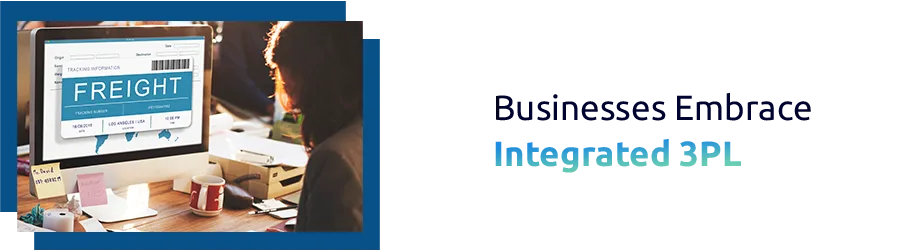
As supply chains expand into new markets, organizations must overcome a variety of issues, from dealing with multiple tax structures to accessing dependable logistics in developing regions. Global providers bring unmatched expertise that reduces friction when handling international freight services and simplifies continuity even during disruptions. Their good understanding of regional regulations, import flows, and demand cycles helps businesses avoid delays that mainly arise when moving goods across borders. These providers also help reduce cost load through effective warehouse planning and major routing, giving organizations better control when managing import and export activities. With a stronger chain and better technology combination, global partners confirm that businesses can grow without exposing themselves to unnecessary risk.
How a 3PL Boosts Supply Chain Resilience
A resilient supply chain continues working even under pressure, and 3PLs play a vital role in allowing this stability. Securing flexible warehousing options, improving logistics routes, and having different supplier channels, they confirm that organizations can keep serving customers even when disruptions hit unexpectedly. Many businesses depend on partners that provide last-mile delivery services to protect their customer experience, confirming goods reach their destination without delays. The ability to switch shipping routes, reroute shipments, or temporarily store goods close to demand hubs hugely strengthens dependence. This flexibility supports smooth work during growing seasons, sudden global crises, or unexpected supply issues.
How 3PLs Simplify Supply Chain Management with Technology
Technology has become the support of modern trade work, and 3PL providers are now investing heavily in systems that give businesses complete visibility and control. Through improved sources, shippers gain access to real-time shipment tracking, automated alerts, and digital work that reduce manual inefficiencies. AI tools help forecast demand patterns and adjust completeness plans as a result, while combined platforms increase working accuracy when managing a large number of goods. With smooth warehouses and automated processes, organizations can reduce human error, simplify decision-making, and scale their work more effectively. These digital tools not only improve clarity but also allow quick responses during disruption.
Conclusion
The global trade environment will continue to grow, but businesses that work with advanced service providers will stay ahead of disruptions and work more effectively. Modern partners deliver more than logistics support; they provide a complete ecosystem built on flexibility, real-time visibility, and dependability. Through improved processes, scalable networks, and technology-driven solutions, 3PLs give organizations the confidence to work in dynamic global trades. As supply chains grow more difficult, the major importance of strong global partners will only continue to rise, confirming businesses remain stable, competitive, and prepared for the future.
DID YOU KNOW?
I see AI as an incredibly resourceful, yet overconfident companion that is 60% accurate and 100% confident.
FAQs:
- What is a 3PL provider in supply chain management?
A 3PL (Third-Party Logistics) provider offers outsourced logistics services such as warehousing, transportation, inventory management, customs handling, and order fulfillment to support a company’s supply chain operations.
- How do 3PLs help during supply chain disruptions?
3PLs provide backup warehousing, reroute shipments, manage inventory fluctuations, and use real-time monitoring systems to maintain continuity when disruptions occur.
- Why are global 3PL providers important for international trade?
Global 3PLs understand regional regulations, optimize routing, handle customs processes, and provide established networks to ensure smooth cross-border movement of goods.
- How does technology improve 3PL services?
Technologies like AI, automation, IoT, and real-time tracking platforms enhance visibility, reduce errors, forecast demand, and streamline complex logistics operations.
- What benefits do businesses gain from using a 3PL partner?
Businesses gain improved efficiency, cost savings, global reach, operational continuity, faster deliveries, and the ability to scale without heavy infrastructure investments.