Overview
The post-clearance audit (PCA) process is a structured examination, after Customs has released the cargo, of the relevant commercial data, sales contracts, financial and non-financial records, physical stock and other assets of traders. The purpose is to measure and improve the traders’ compliance. PCA has proved to be an essential tool ensuring that Customs controls are effective in many aspects, including compliance with the WTO Customs Valuation Agreement. It also plays a role in the implementation of an effective Customs risk management strategy, making it easier for Customs to gauge the level of risk corresponding to each trader by measuring percentage compliance with the rules and to fine-tune future controls based on the result.
What Is a Post-Clearance Customs Audit?
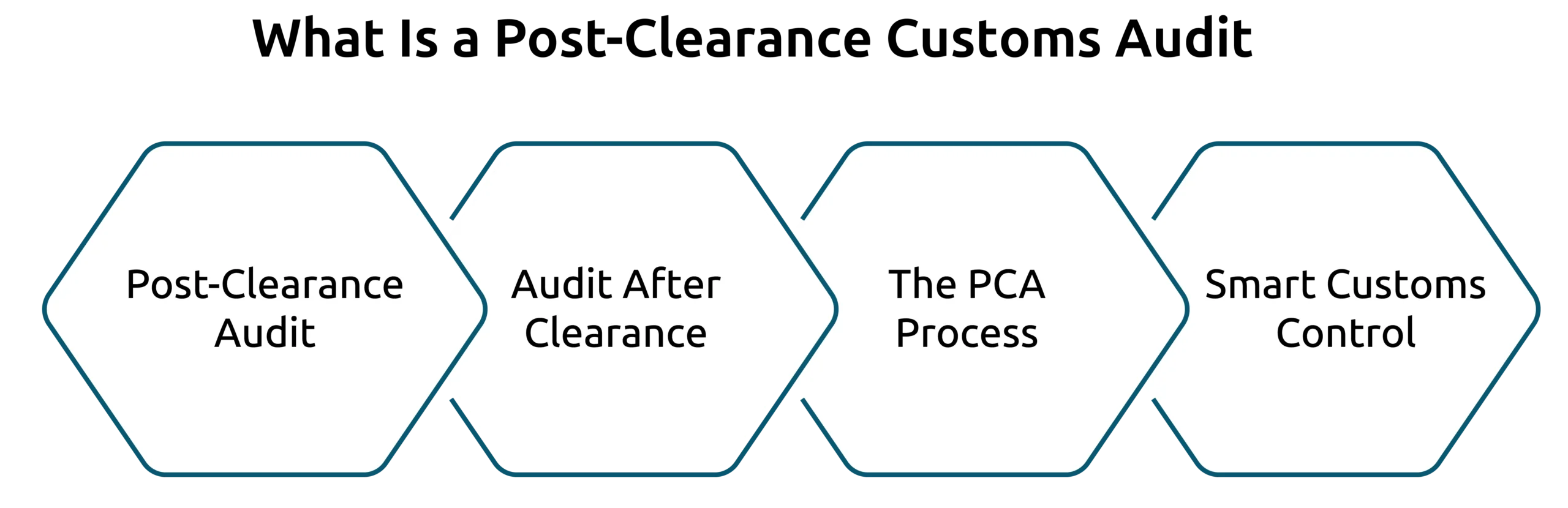
Post-clearance audit means audit-based Customs control performed subsequent to the release of the cargo from Customs’ custody. The purpose of such audits is to verify the accuracy and authenticity of declarations and covers the control of traders’ commercial data, business systems, records and books. Such an audit can take place at the premises of the trader, and may take into account individual transactions, so-called “transaction-based” audit, or cover imports and exports undertaken over a certain period of time, called “company based” audit.
Introducing post-clearance audit reflects a different approach to Customs control, as it has the effect of offering an immediate release of goods or reduced release times. Post-clearance audits can be conducted on a case-by-case basis, focusing on targeted operators, selected on the grounds of risk analysis of the commodity and the trader.
Why Do Customs Authorities Conduct Post-Clearance Audits?
The overall objectives of PCA is to assure that Customs declarations have been completed in compliance with Customs legal requirements as well as other requirements under any other law applicable in respect of import or export, via examination of a traders’ systems, accounting and other business records and premises. Objectives are like, to verify that the value, origin and classification of goods are declared correctly and the amount of revenue legally due has been identified and collected; to ensure goods liable to specific import/export controls are properly declared, including prohibitions and restrictions, licenses, quotas, etc.; pre-authenticated transit documents, preferential origin/movement certificates, licenses, quota arrangements, Customs and excise warehouses and other simplified procedure arrangements; and to facilitate international trade movements of compliant traders.
Compliant trade is facilitated at the point of Customs clearance and border controls can be reduced. Enables Customs to gain better information on and understanding of traders business. Risk levels can be more easily assessed and reviewed: a premises visit provides the opportunity to identify risks and weaknesses in traders’ systems.
What Happens During a Post-Clearance Customs Audit?
Customs laws and regulations should provide the following authority and powers of Customs officials/auditors conducting PCA and the obligations and rights of auditees. The right to examine business records, business/trading systems and commercial data relevant to Customs declarations; a requirement to maintain specified documentation, information and records.
To verify that the value, origin and classification of goods is declared correctly and the amount of revenue legally due has been identified and collected; the amount of revenue legally due has been identified and collected; Customs declarations have been completed in compliance with Customs legal requirements as well as other requirements under any other law applicable in respect of import or export.The structured examination of a business’ relevant commercial systems, sales contracts, financial and non-financial records, physical stock and other assets. Where the person is involved in the audit process and conclusive results have been achieved the Member shall, without delay, notify the person whose record is audited of the results, the person’s rights and obligations, and the reasons for the results.

Conclusion
Post-Clearance Customs Audits help businesses maintain accurate import records and follow customs regulations. Proper documentation, correct HS code classification, correct customs valuation, and timely duty payments are important to avoid compliance problems. Businesses should regularly review their import transactions and maintain complete records to prepare for customs audits. With proper compliance practices and support from experienced IOR service providers like One Union Solutions, businesses can handle import requirements more efficiently and support smoother international trade.
Did you know
PCA has proved to be an essential tool ensuring that Customs controls are effective in many aspects, including compliance with the WTO Customs Valuation Agreement.
FAQ
Can customs authorities audit goods after they have been delivered?
Yes. Customs authorities can review import transactions even after goods have been released and delivered. They may check invoices, customs declarations, payment records, and other business documents.
What happens if the HS code is found to be incorrect during an audit?
Customs authorities may reassess the product classification and calculate the correct duty. The importer may have to pay additional duties, interest, or penalties, depending on local customs laws.
Can customs authorities question the declared value of imported goods?
Yes. Auditors may compare the declared value with commercial invoices, sales contracts, payment records, and other supporting documents to check whether the customs value is correct.
Can a post-clearance audit affect future imports?
Yes. If an audit identifies repeated errors or compliance problems, customs authorities may consider these issues during future risk assessments. Maintaining accurate records can help businesses avoid repeated problems.
How can an Importer of Record help during a customs audit?
An Importer of Record can support import compliance by maintaining relevant import documents, reviewing customs declarations, and helping check product classification and valuation details. The exact responsibilities depend on the IOR arrangement and local regulations.