Introduction
As more businesses adopt artificial intelligence, the need for powerful hardware such as GPU servers, AI accelerators, storage systems, & networking equipment continues to grow. Many of these products are imported from different countries, so customs clearance plays an important role in getting them delivered on time to the given location. Incorrect documents, import rules, taxes, or licensing needs can delay shipments & increase costs. Understanding the customs process helps businesses change AI hardware across borders more easily, avoid compliance problems, & keep their projects on time.
What is customs clearance?
Customs clearance is an important process for any goods entering or being transported to a country. It requires a customs verification to be completed, containing useful information about the goods entering or leaving the country.
When the declaration meets the customs authority’s needs, it’s approved. In this case, it’s cleared customs, & once the customs fees & taxes have been paid, the goods can legally cross the border. If the declaration doesn’t meet the customs authority’s requirements, further information or a verification of goods may be required. The goods are held up at the border until the declaration meets the requirements.
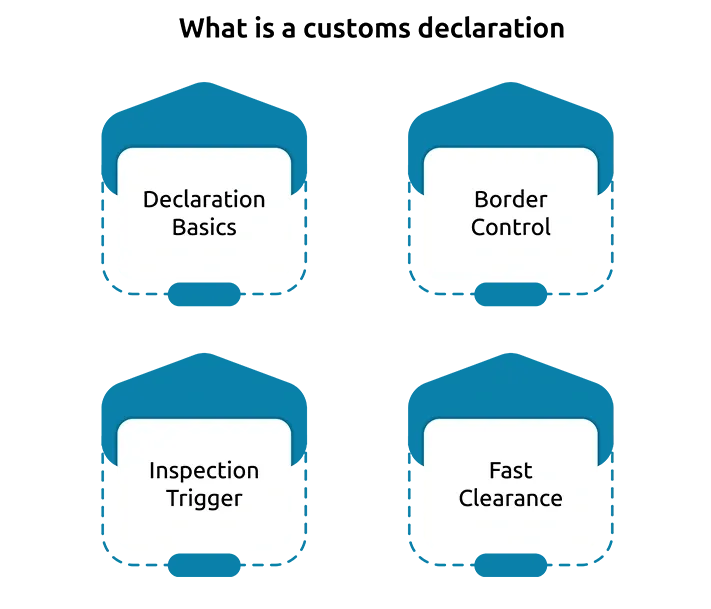
What is a customs declaration?
A completed customs declaration is required as part of the customs clearance process. Usually filed electronically, the document includes main information about the goods that are passing the customs border during the import/export process. If the declaration does not meet the requirements set out by the relevant customs authority, the goods may be held at the border for inspection or until further information is obtained. To avoid these kinds of delays, a specialist customs broker is often used to complete & submit the customs declaration.
Who pays customs charges?
Technically speaking, customs duties & taxes can be paid by either the buyer or seller. Having said this, in commercial shipping, it is almost always the importer or consignee who pays customs charges. The person bringing the goods into a country from abroad is the one who manages any customs duties & taxes.
The party responsible for paying customs charges will be pre-agreed and set out in the contractual incoterms. Those involved in the global shipping of goods need to understand who is responsible for paying customs charges, as well as the accepted payment methods & deadlines of the relevant country, which can vary significantly around the world.
What is a customs broker?
A customs broker helps identify the customs clearance process when importing or exporting goods across multiple country borders. They ensure the easy transit of goods so that the items get to where they need to be without any unnecessary delays or charges. A unique or business can appoint a customs broker to take care of the administrative tasks related to customs clearance, such as ensuring the correct customs declaration is submitted and all necessary duties & taxes are paid. A customs broker may also offer to pay duties on behalf of the importer as part of their service. Customs brokers have specialist knowledge of the local customs rules, regulations, & needs, so using their expertise can help to avoid errors & ensure goods clear customs easily & effectively.
The Importance of Managing Customs Clearance for AI Hardware Deployments
Handling customs clearance is an important part of developing AI hardware across international borders. AI infrastructure includes costly equipment such as GPU servers, storage systems, networking devices, & specialized processors that must deal with each country’s import regulations & laws. Delays caused by incorrect paperwork, product verification mistakes, or missing import permits can disrupt installation schedules & increase project costs. By preparing correct customs documents, understanding local compliance needs, & connecting with experienced logistics & customs experts, businesses can ensure faster clearance, reduce the risk of issues, & keep AI development projects on schedule.
Conclusion
Managing customs clearance accurately is important when transporting AI hardware to different countries. As businesses expand their AI projects, they must follow local import rules, prepare the right documents, use the correct HS codes, & pay the necessary duties & taxes. They may also need import licenses in some countries. Even a small mistake can delay a shipment, increase costs, & slow down the project. Working with experienced customs brokers & logistics partners makes the import process easier & helps avoid unnecessary delays. A good customs plan helps AI equipment reach its location on time & keeps projects running easily.
Did you know?
The global hardware security modules market size was valued at USD 1.74 billion in 2025 and is projected to reach USD 4.80 billion in 2032, growing at a CAGR of 15.3%.
FAQs
1. Why is AI hardware more challenging to clear through customs than standard IT equipment?
AI hardware is often expensive, contains advanced processors, and may be subject to export controls or import licensing requirements. Some countries also have additional compliance rules for high-performance computing equipment, making customs clearance more detailed than for standard IT products.
2. Can customs delays affect AI data center deployment timelines?
Yes. If AI servers, GPUs, or networking equipment are delayed at customs, installation and testing may be postponed. This can impact project schedules, increase storage costs, and delay the launch of AI services.
3. What should businesses check before shipping AI hardware internationally?
Before shipping, businesses should verify the correct HS codes, confirm import regulations in the destination country, prepare all required documents, calculate duties and taxes, and check whether any import licenses or certifications are needed.
4. How do changing customs regulations affect AI hardware imports?
Customs regulations can change due to new trade policies, technology controls, or updated import requirements. Businesses that stay informed about these changes are better prepared to avoid delays, compliance issues, and unexpected costs.
5. What are the benefits of planning customs clearance before shipping AI hardware?
Planning ahead helps businesses prepare the correct documents, estimate import costs, avoid customs delays, improve supply chain efficiency, and ensure AI hardware reaches its destination on time.