What types of warehousing services are available?
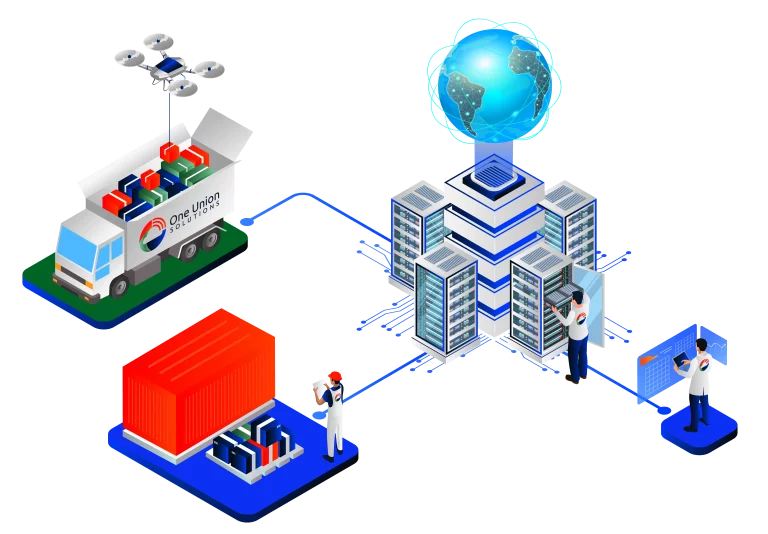
Warehousing services come in various types, each supplying specific supply chain needs. Private warehousing is owned and operated by businesses for storing their goods, providing greater control over inventory. In contrast, public warehousing is available for multiple businesses on a rental basis, making it a flexible and cost-effective option. Bonded warehousing stores imported goods under customs control until duties are paid, confirming approvals with trade laws. Distribution centers prioritize quick storage and motion of goods for order fulfillment, while cold storage warehousing is necessary for perishable items. Modern technologies drive automated warehousing, utilizing robotics, AI, and automated storage systems for improved efficiency. Realization centers specialize in logistics, managing storage, order processing, and shipping to customers. Lastly, smart warehousing combines IoT and AI to allow live tracking and increase warehouse working efficiency. Each type of warehousing plays an important role in improving logistics based on storage duration, product type, and business requirements.
Historical Evolution of Warehousing in Portugal
In Portugal, the practice of warehousing has a long history that dates back to the days of marine trade and discovery. During the Age of Discovery, the storage and distribution of unusual products obtained from far-off regions depended heavily on Portuguese warehouses.
Portuguese wrehousing procedures have changed over the years. Mechanization and better storage techniques were brought forth by the Industrial Revolution of the 19th century. The development of railway networks improved warehouses’ capacity for distribution even further. Today, Portugal is home to an advanced and effective warehouse industry that serves a range of sectors, from e-commerce to manufacturing.
Framework for Regulation of Warehousing Services
The warehousing business in Portugal is characterized by a clear legal framework that guarantees the security and efficiency of the storage & allocation operations. An important feature is the bonded warehouses that enable businesses to delay payment of customs and taxes until the imported goods are cleared; this optimizes the cash flow and facilitates the customs process. There are strict safety & security regulations, management systems, fire prevention regulations, and a 24-hour security personnel team to protect items.
Warehouse Industry Trends in Portugal
In Portugal, the storage8uyhbr market is constantly developing to meet shifting consumer needs and technology improvements. The following noteworthy trends are influencing the environment:
- E-business Fulfillment: These facilities are experts at quickly picking, packing, and shipping goods for online retailers so that buyers receive them quickly.
- Automation and Robotics: To increase productivity and save labor costs, several warehouses in Portugal are using automation and robotics. Modern warehouses are increasingly using automated guided vehicles (AGVs), robotic pickers, and conveyor systems.
- Sustainability Initiatives: Environmental sustainability is an expanding concern in the warehousing sector. Portugal has a large number of warehouses that use environmentally friendly procedures including sustainable packaging and energy-saving lighting.
- Data Analytics: Tools for data analytics are being used to improve supply chain and inventory management processes. Businesses are using real-time data on inventory levels, demand trends, and order fulfillment to help them make wise decisions.
The Function of Technology in Modern Warehouse Portugal’s warehouse services are changing as a result of technology. A few significant technological developments include:
- Warehouse Management Systems (WMS): WMS software optimizes inventory allocation, order picking, and shipping procedures to streamline warehouse operations. It provides users with real-time data on order status and inventory levels.
- Internet of Things (IoT) sensors track warehouse variables such as humidity and temperature. This information aids in ensuring the secure storage of delicate products like medical equipment.
- Blockchain: The potential of blockchain technology to improve supply chain traceability and transparency is being investigated. It can increase trust between supply chain participants and aid in product authenticity verification.
- Artificial intelligence (AI): Predictive maintenance and demand forecasting are two applications of AI-powered algorithms. These features improve warehouse productivity and lower downtime.
Challenges and Opportunities
Although Portugal’s warehouse sector has made tremendous strides, there are still a number of obstacles to overcome:
- Labour Shortages: It can be difficult to find skilled warehouse workers, especially as the sector employs more automation. Concerns about finding, developing, and keeping a talented workforce persist.
- Infrastructure: To enable the effective transportation of commodities to and from warehouses, continued investment in transportation infrastructure, such as road networks and ports, is important.
- Regulatory Compliance: It’s important to continually update regulations, especially those that pertain to environmental compliance and data privacy.
Despite these obstacles, Portugal’s warehousing industry has several prospects for expansion. Logistics and warehousing firms find the nation to be a desirable location due to its advantageous location as a gateway to Europe and its business-friendly atmosphere. One Union Solutions will help you to overcome these challenges.
The Importance of Warehousing in Efficient Logistics
In Portugal, warehousing is a crucial component of any effective logistics system. It improves inventory control, guarantees product availability, and boosts client happiness. A company’s bottom line can be considerably impacted by effective storage because it lowers costs and boosts operational effectiveness.
The Importance of Warehousing in Successful Logistics
The key role of warehousing in Portugal’s logistics system is played by:
- Improving Inventory Management: Effective warehousing guarantees that products are available when and where they are needed, minimizing stockouts and overstocking.
- Timely Distribution: Portuguese warehouses allow for prompt delivery to customers and end users, which boosts client satisfaction and sales.
- Cost-Efficiency: Properly run warehouses lower logistical expenses and enhance market adaptability, which ultimately increases profitability.
Conclusion
Warehousing services in Portugal play a vital role in supporting efficient supply chain operations for both local and international businesses. With modern facilities, strategic locations near ports and transport hubs, and advanced inventory management systems, these services ensure safe storage and smooth distribution. Businesses benefit from improved efficiency, reduced costs, and faster order fulfillment. Partnering with a reliable warehousing provider in Portugal helps companies scale operations while maintaining accuracy, security, and long-term supply chain reliability.
Did you know?
The Portuguese warehousing market is positioned for sustained expansion over the forecast period, propelled by accelerating e-commerce penetration requiring sophisticated last-mile delivery infrastructure and automated fulfillment capabilities.